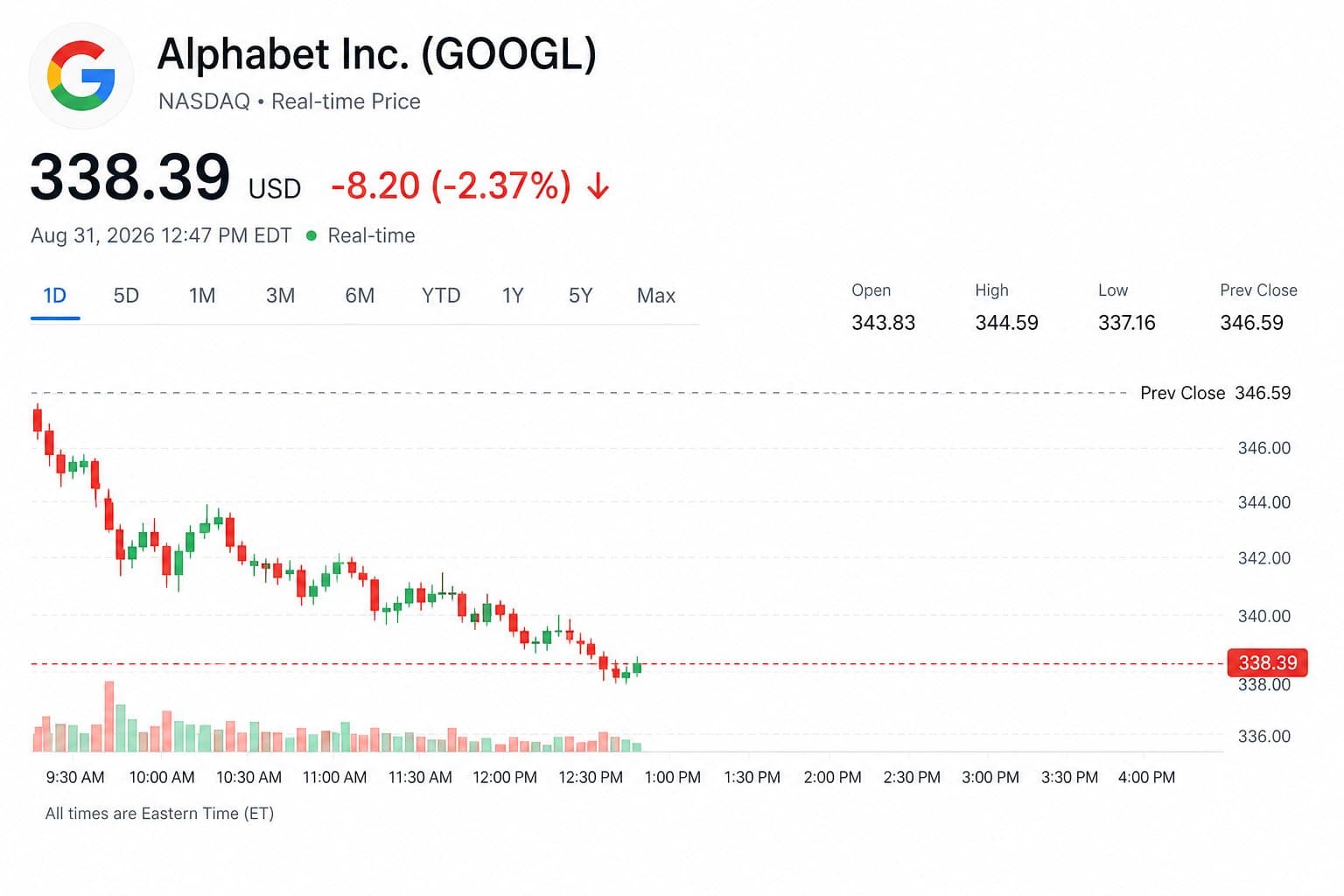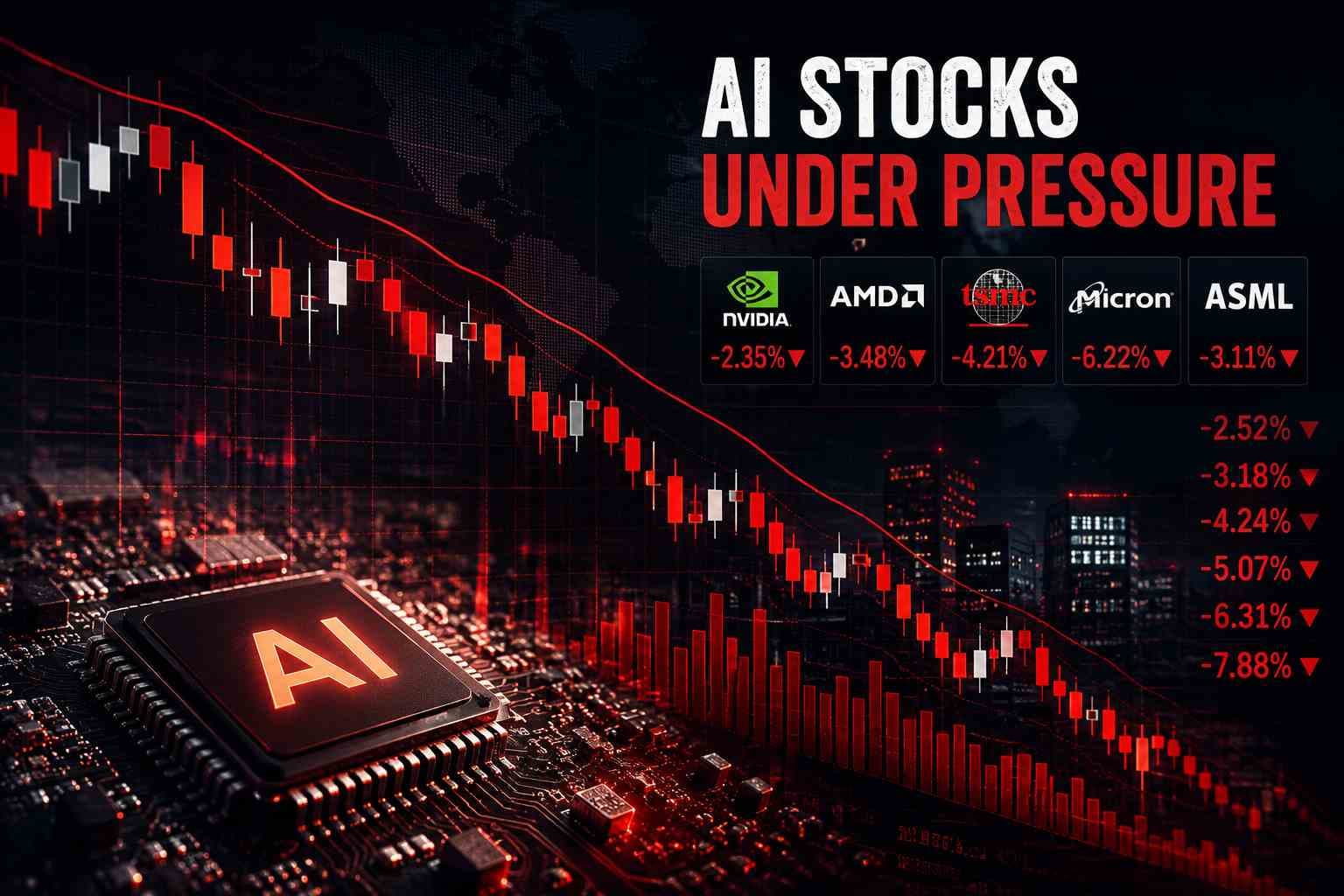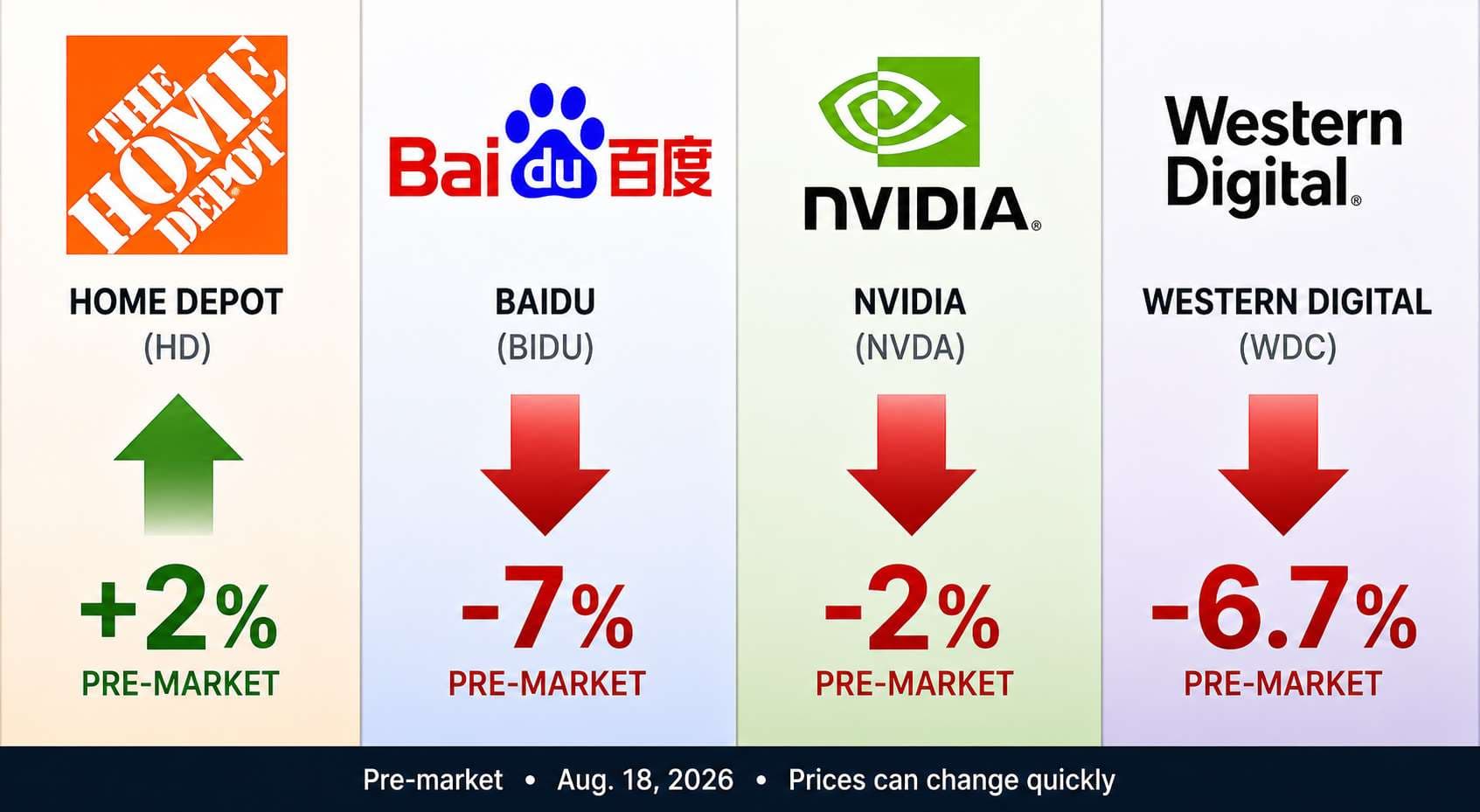
Home Depot rises after stronger quarterly sales while Baidu falls despite explosive AI growth. Nvidia and Western Digital also face pressure as investors reassess AI valuations before Tuesday’s opening bell. The contrasting moves reveal a changing market where rapid AI growth alone may no longer be enough to satisfy investors demanding stronger company-wide results.
Nike stock has fallen to a fresh 52-week low, leaving shares roughly half their value from last year’s peak. But the bigger story goes beyond one trading session. Wholesale improvements are colliding with weaker digital sales, persistent challenges in China and questions about profitability. Here’s what Nike’s numbers reveal about Elliott Hill’s closely watched turnaround strategy right now.
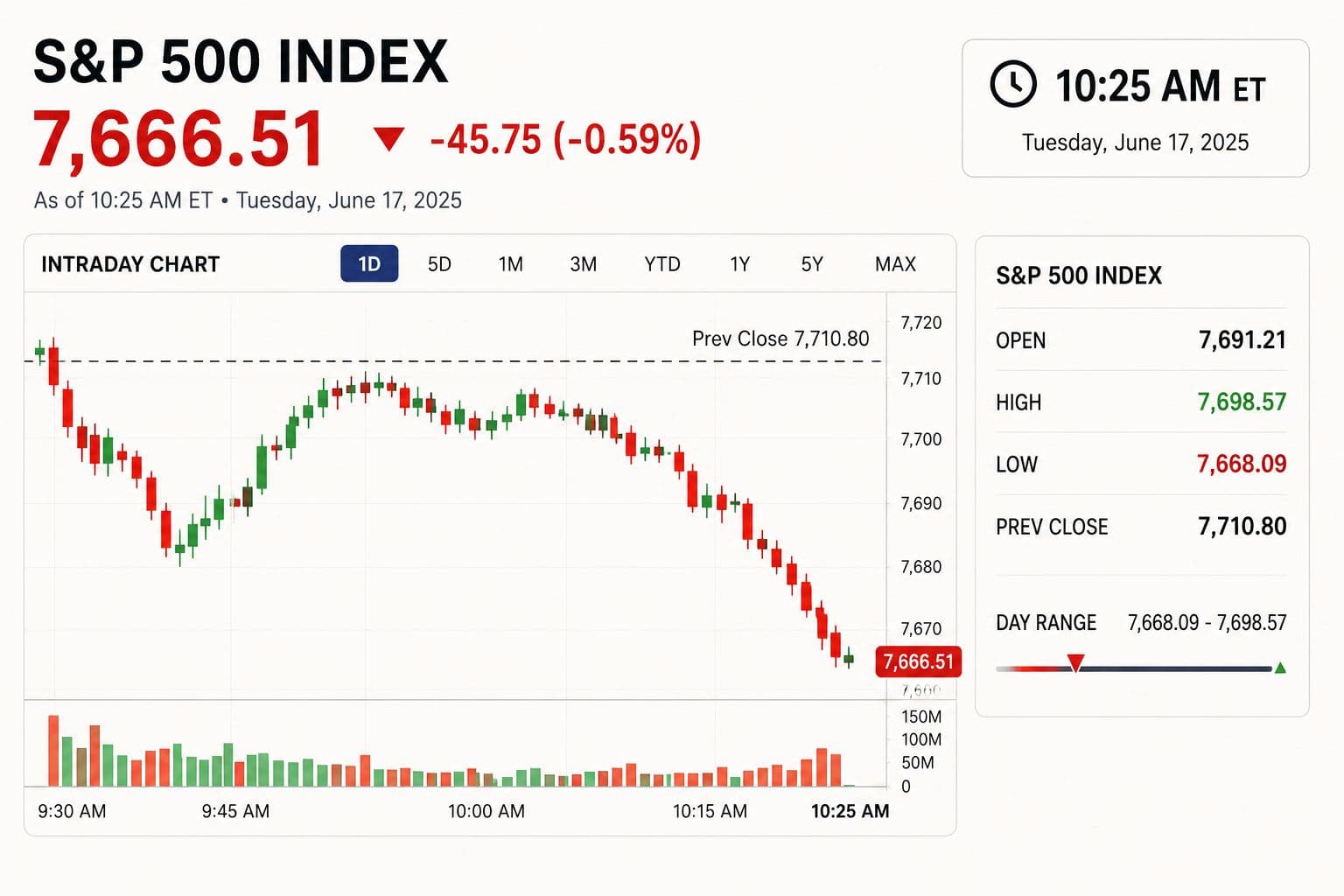
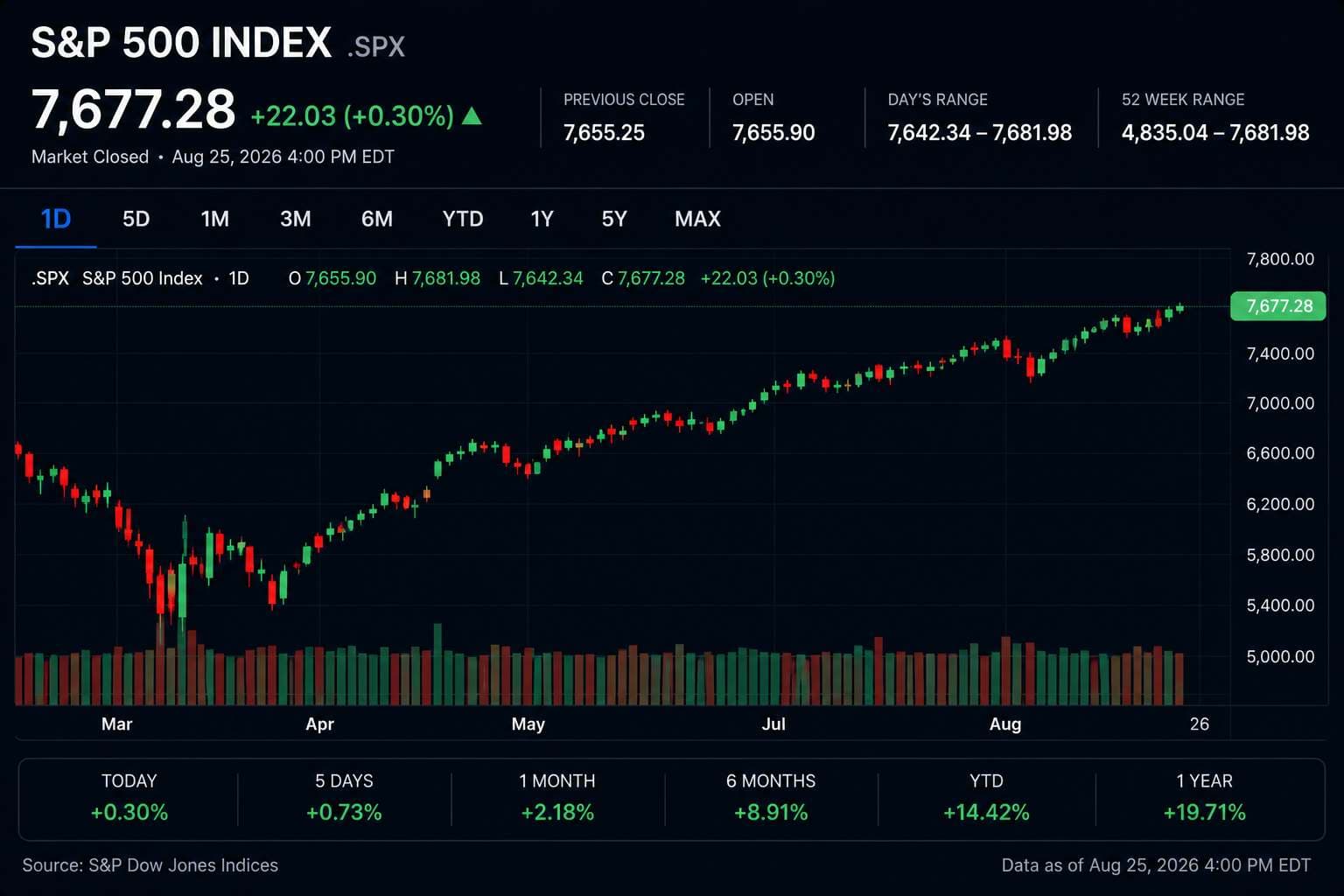
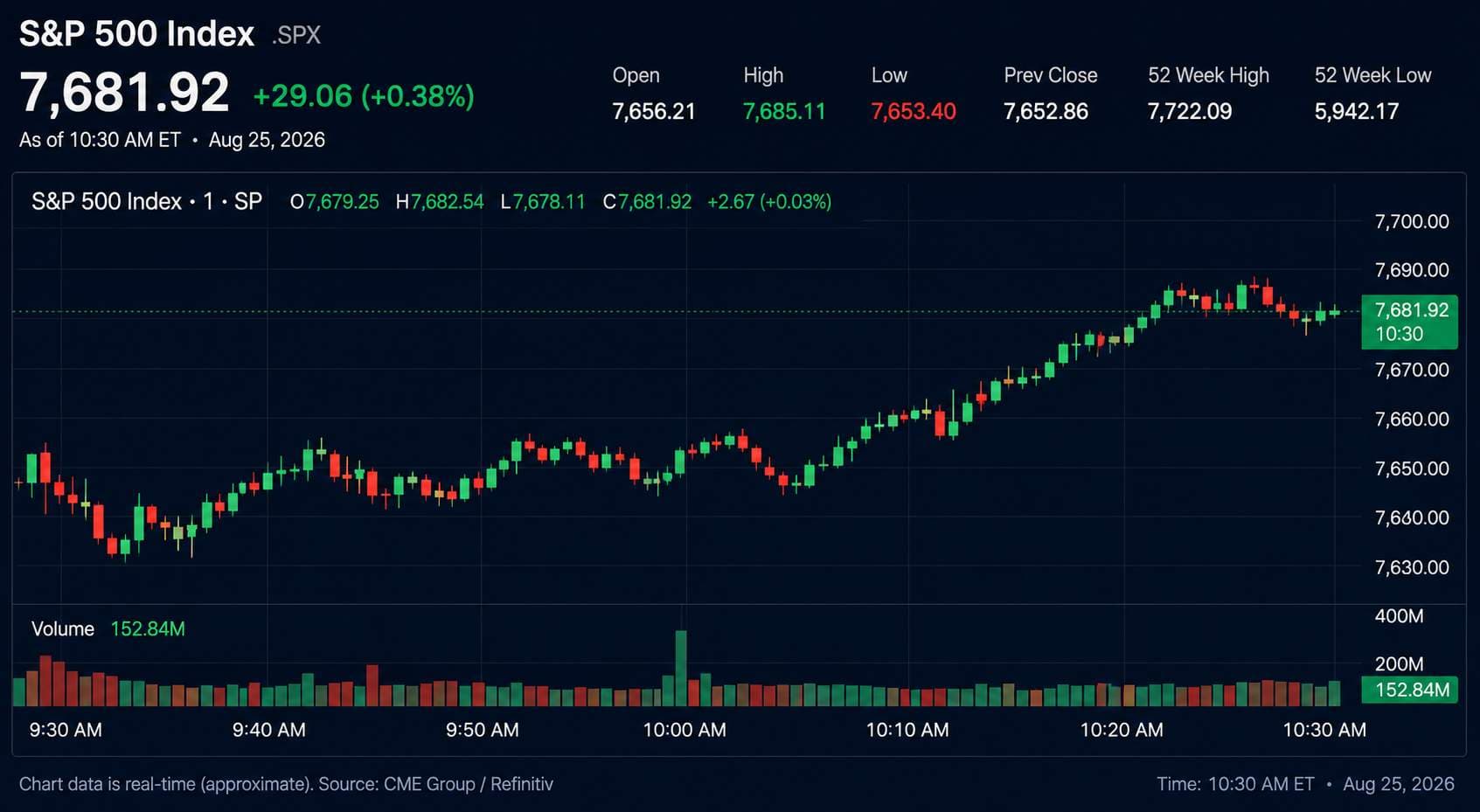
Wall Street is caught between two powerful forces: resilient AI and semiconductor stocks on one side, and elevated oil prices, Treasury yields and geopolitical uncertainty on the other. Here’s why the S&P 500, Nasdaq and Dow are moving differently today, what Canada’s TSX is facing, and the key signals investors should watch as Monday’s trading session develops further.
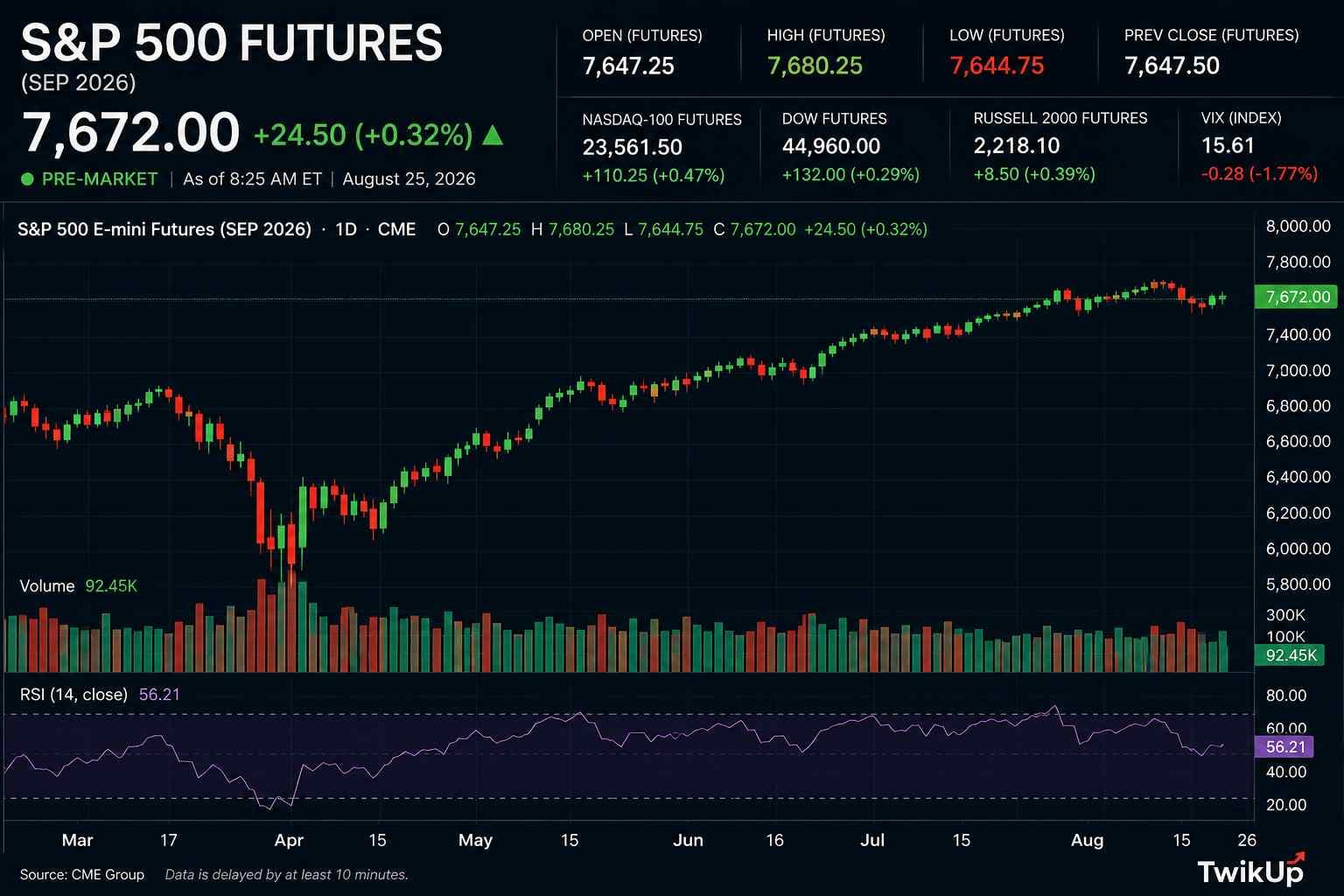
S&P 500 and Nasdaq futures rose Monday as investors reduced expectations for a September Federal Reserve rate hike following softer U.S. economic signals. Canada's July CPI report takes centre stage before the opening bell, while investors also watch Treasury yields, oil near $82 a barrel, gold prices, global equities and fresh economic data for the day's market direction ahead.
U.S. stock futures edged higher before Thursday’s opening bell as falling oil prices eased inflation concerns and investors awaited July’s Producer Price Index. The report could reshape expectations for Federal Reserve policy, while weaker crude created a mixed outlook for Canada’s energy-heavy TSX. Cisco, Cerebras and other pre-market movers also drew investor attention ahead of the latest trading session Thursday.
The July U.S. inflation report arrives August 12, giving S&P 500 investors and SPY holders a major pre-market event. After June’s headline CPI fell 0.4% monthly but remained 3.5% higher annually, markets will watch headline and core readings for signals about Treasury yields, Federal Reserve policy and rate-sensitive technology and financial shares before trading begins Wednesday morning in New York.
Varex Imaging and MarineMax surged after announcing all-cash takeover agreements, while Sionna Therapeutics collapsed more than 90% following disappointing cystic-fibrosis trial results. Intel also declined after proposing a $15-billion stock offering. Here is what drove Monday’s extraordinary company-level moves and why investors reacted so sharply despite a relatively calm broader U.S. market session through late morning trading August 10, 2026.
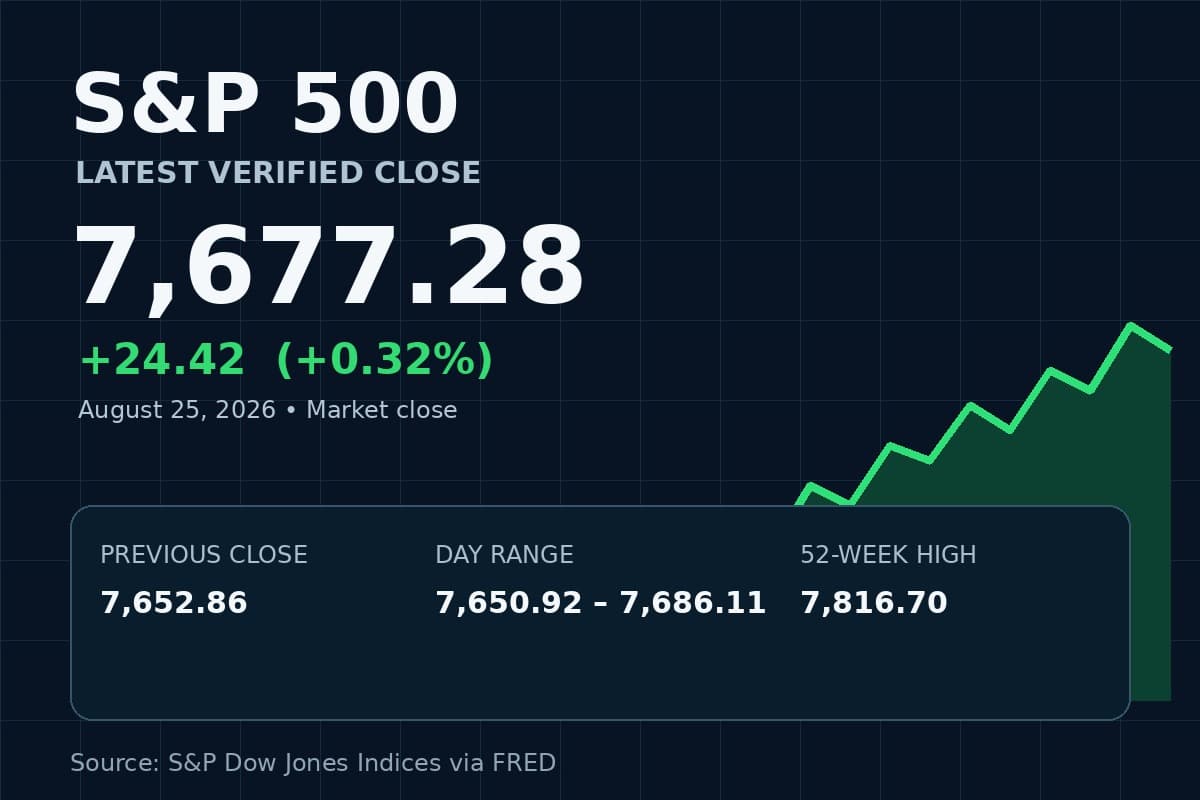
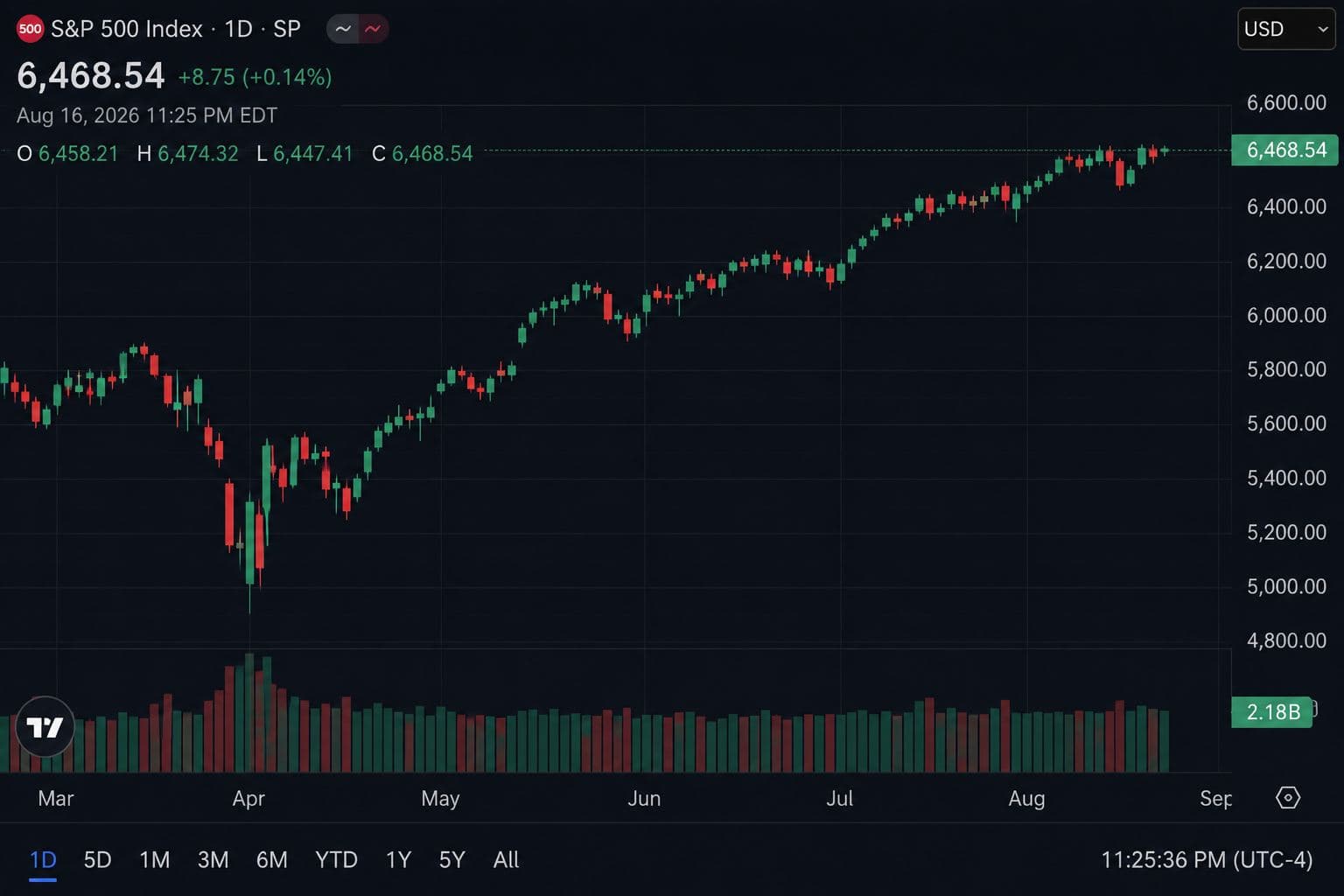
Oil prices climbed as uncertainty surrounded the Strait of Hormuz, yet the S&P 500 remained close to record territory. Strong corporate earnings, artificial-intelligence investment and shifting interest-rate expectations are helping Wall Street absorb the shock. But prolonged shipping disruption could revive inflation, squeeze company margins and transform an energy-market warning into a broader threat for investors worldwide in coming months.
SpaceX nearly doubled quarterly revenue, but investors are focused on a far bigger number: $15.83 billion in AI capital expenditures. The company’s connectivity business remains profitable and AI revenue is growing, yet its enormous infrastructure buildout raises difficult questions about cash flow, debt and whether future returns can justify the extraordinary cost of its ambitions over the coming years ahead.
Micron and Nvidia make different chips, but their fortunes are increasingly connected by artificial-intelligence infrastructure. Nvidia supplies powerful GPUs, while Micron provides the high-bandwidth memory needed to keep data moving. As AI models demand greater capacity and speed, memory is becoming a critical bottleneck—and a major part of Micron’s growth story and financial performance in 2026 for investors worldwide.
Microsoft shares surged 15.5% after Azure growth accelerated to 43% and management forecast even faster cloud expansion. The quarter showed investors that Microsoft’s enormous AI infrastructure spending is producing measurable revenue, contracted demand and Copilot adoption. Here is why Wall Street rewarded Microsoft while reacting closely and differently to Meta’s costly artificial intelligence investment strategy after its latest quarterly earnings report.
Would $100,000 invested in XEQT today beat contributing $1,000 every month? This Canadian investing comparison follows two investors over 10, 20 and 30 years using 4%, 6% and 8% return scenarios. See when monthly investing overtakes the lump sum, why contribution totals matter, and how time, market risk, taxes and investor discipline shape the final result after three full decades.

Meta’s strong second-quarter revenue growth could not prevent its stock from falling as expenses surged and free cash flow collapsed. The company is spending aggressively on AI infrastructure, data centres and new products, leaving investors focused on shrinking margins, a major earnings miss and whether Zuckerberg’s expensive strategy can generate returns matching its extraordinary scale over coming years for shareholders.
Carrier's second-quarter earnings delivered almost everything investors usually request: higher sales, an earnings beat, stronger cash flow, booming data-centre orders and upgraded annual guidance. Yet Carrier shares fell sharply after the report. The contradiction reveals what Wall Street disliked: profit margins weakened even as demand accelerated, while AI-infrastructure expectations had already become extremely difficult to beat.
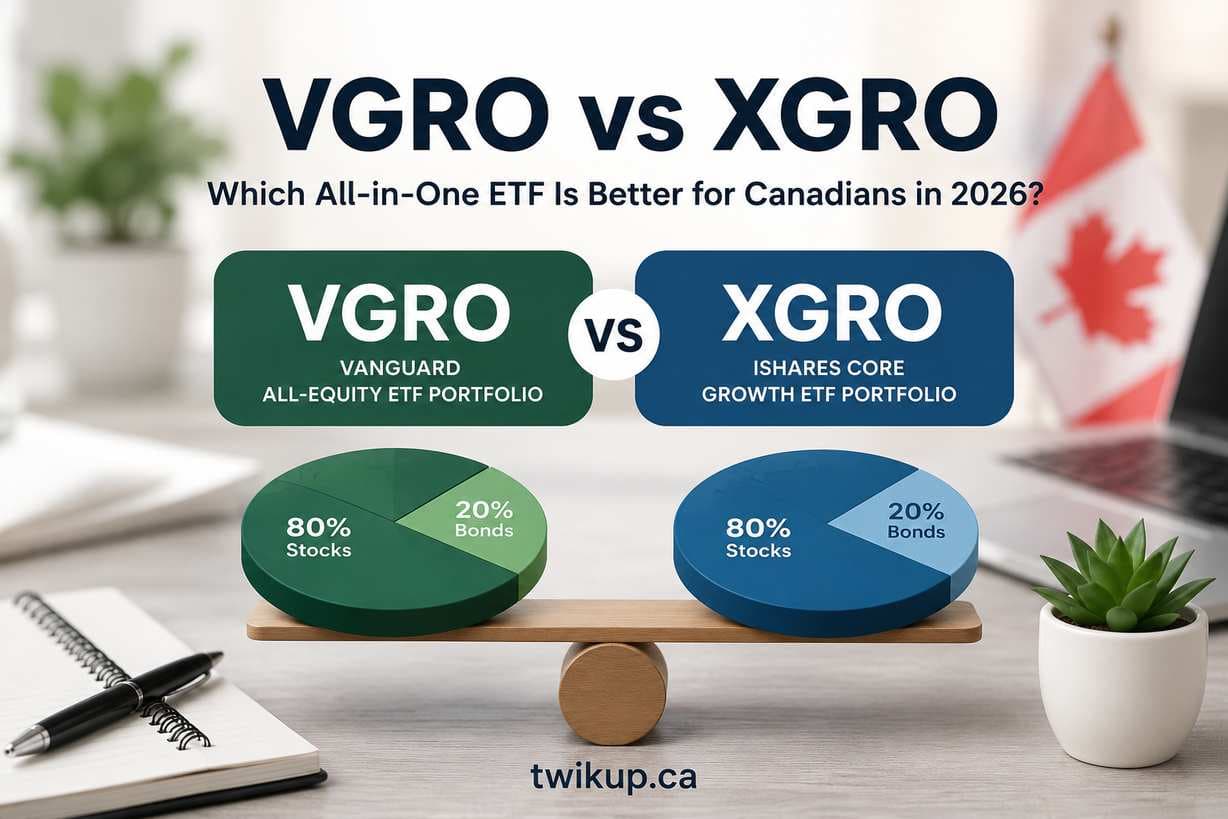
Choosing between VGRO and XGRO in 2026 isn't as simple as comparing fees. This guide breaks down their asset allocation, diversification, performance, risk, TFSA, RRSP and FHSA suitability, helping Canadian investors understand which all-in-one ETF may better match their long-term goals. Learn the key differences, common misconceptions and practical insights before making an informed investment decision.
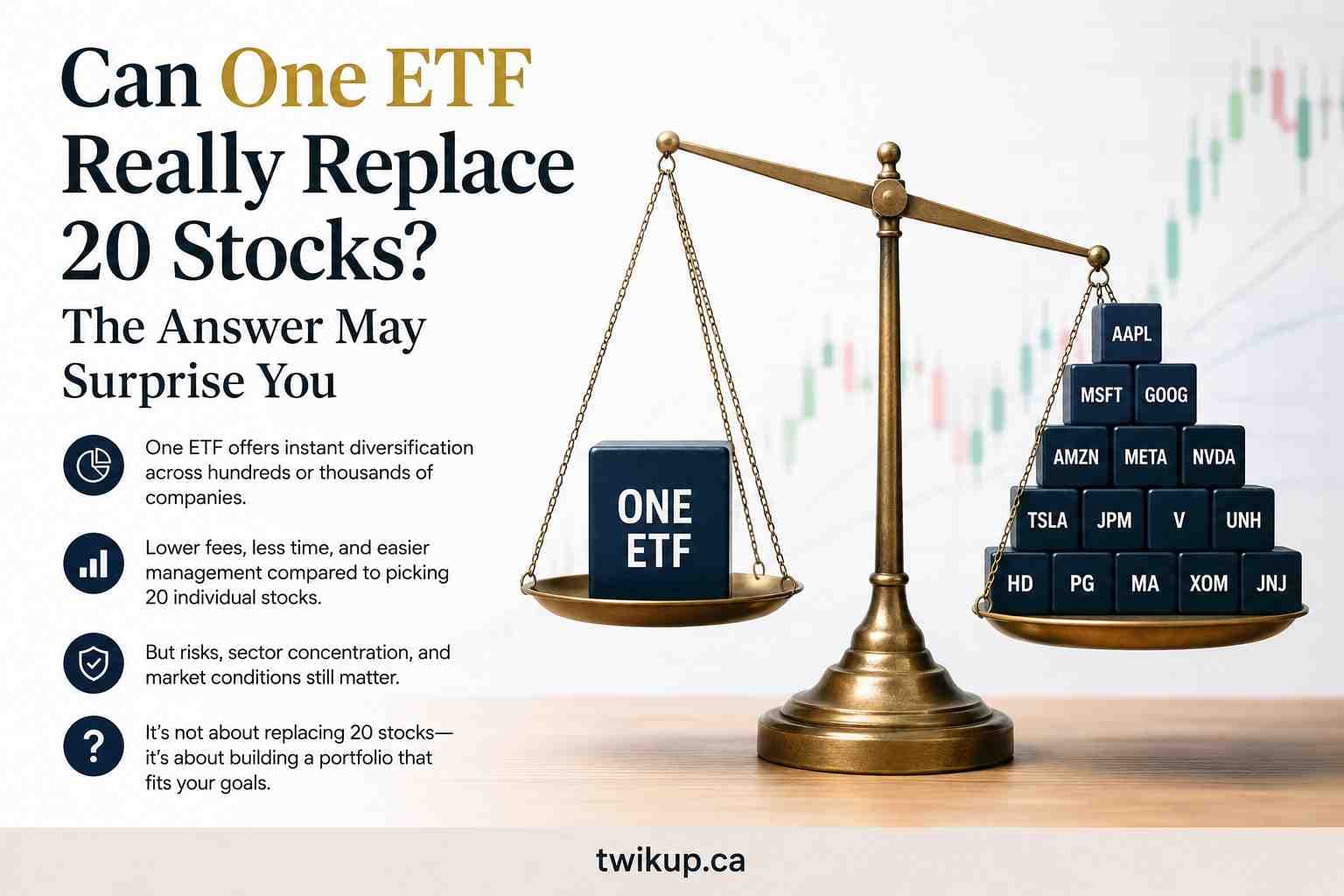
Can one ETF really replace a portfolio of 20 individual stocks? The answer depends on diversification, concentration, sector exposure, and investment objectives—not the number of holdings. This guide explains how ETFs work, compares them with individual stock portfolios, highlights common misconceptions, and explores the key risks, benefits, and questions investors should understand before making long-term investment decisions.
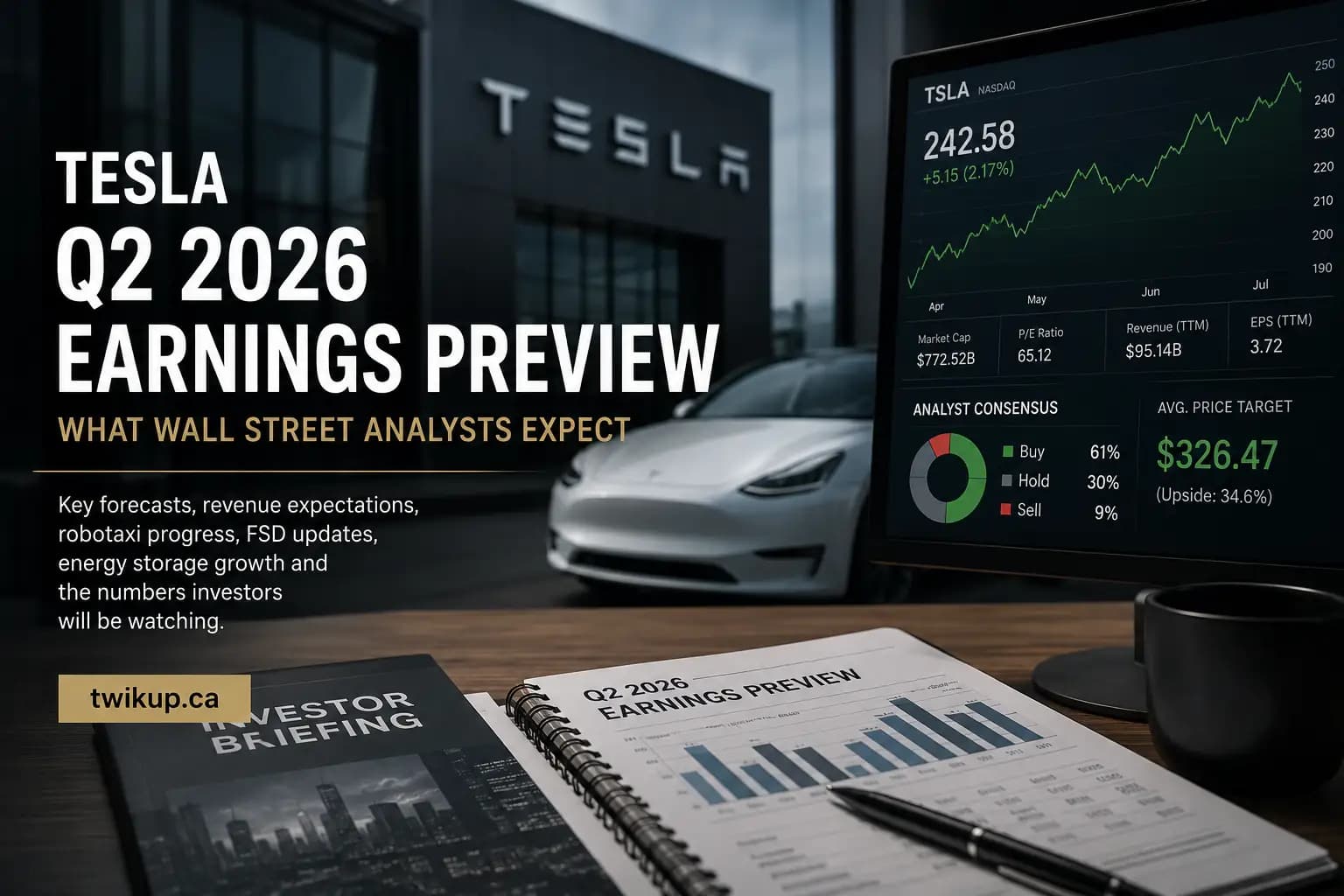
Tesla’s Q2 2026 earnings report could reveal whether stronger deliveries are translating into healthier revenue, margins and cash flow. This preview breaks down Wall Street analyst expectations, key risks, robotaxi progress, FSD, Optimus, energy storage and the numbers investors will be watching—without offering any buy or sell recommendation.
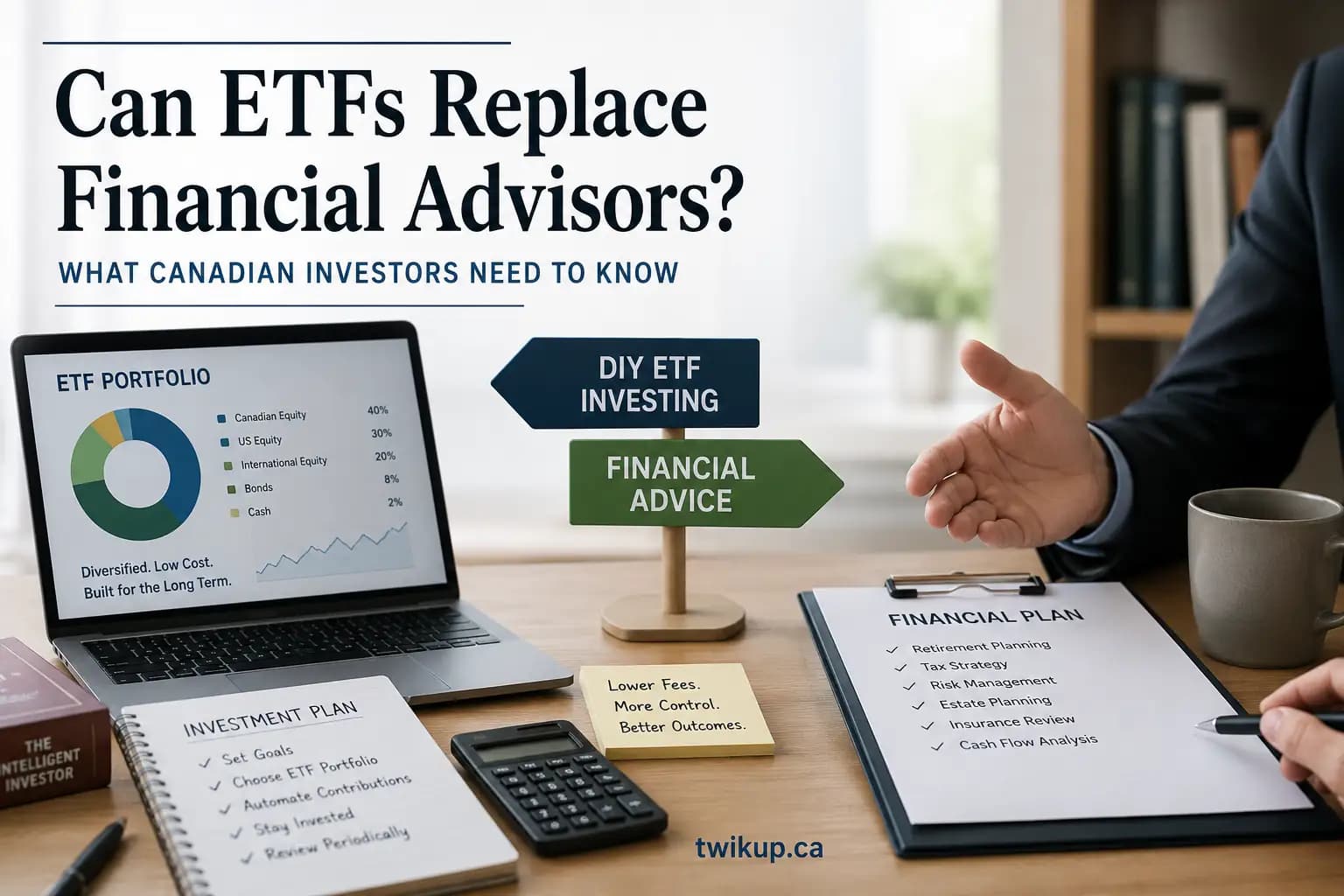
Can ETFs replace financial advisors in Canada? Learn when a low-cost ETF portfolio may be enough, when professional advice still adds value, and how a hybrid approach can reduce fees without sacrificing financial planning.
Meta is betting on massive distribution, open AI models, smarter advertising, business agents, and AI glasses to compete with OpenAI and Google. Here is how Meta’s AI strategy works, where it has an advantage, and what could stop it from winning.
Wondering how long it takes to build a $1 million ETF portfolio in Canada? This guide explains realistic timelines based on monthly contributions, compound growth, TFSA and RRSP strategies, inflation, and real investing examples. Compare different return scenarios, avoid common ETF investing mistakes, and learn how Canadians can build long-term wealth through disciplined investing.
Should you invest $1,000 a month into VEQT or buy a Canadian rental property? This in-depth comparison examines long-term wealth potential, cash flow, leverage, taxes, liquidity, risks and real-world examples. Discover how each strategy performs over 10, 20 and 30 years so you can choose the investment approach that best fits your financial goals.
Nvidia became the world’s most valuable AI company by building more than powerful GPUs. Its CUDA software, data-centre systems, networking technology and developer ecosystem now support much of the global AI boom. This guide explains Nvidia’s competitive advantage, financial growth, major risks, valuation concerns and what investors should examine before buying Nvidia stock.
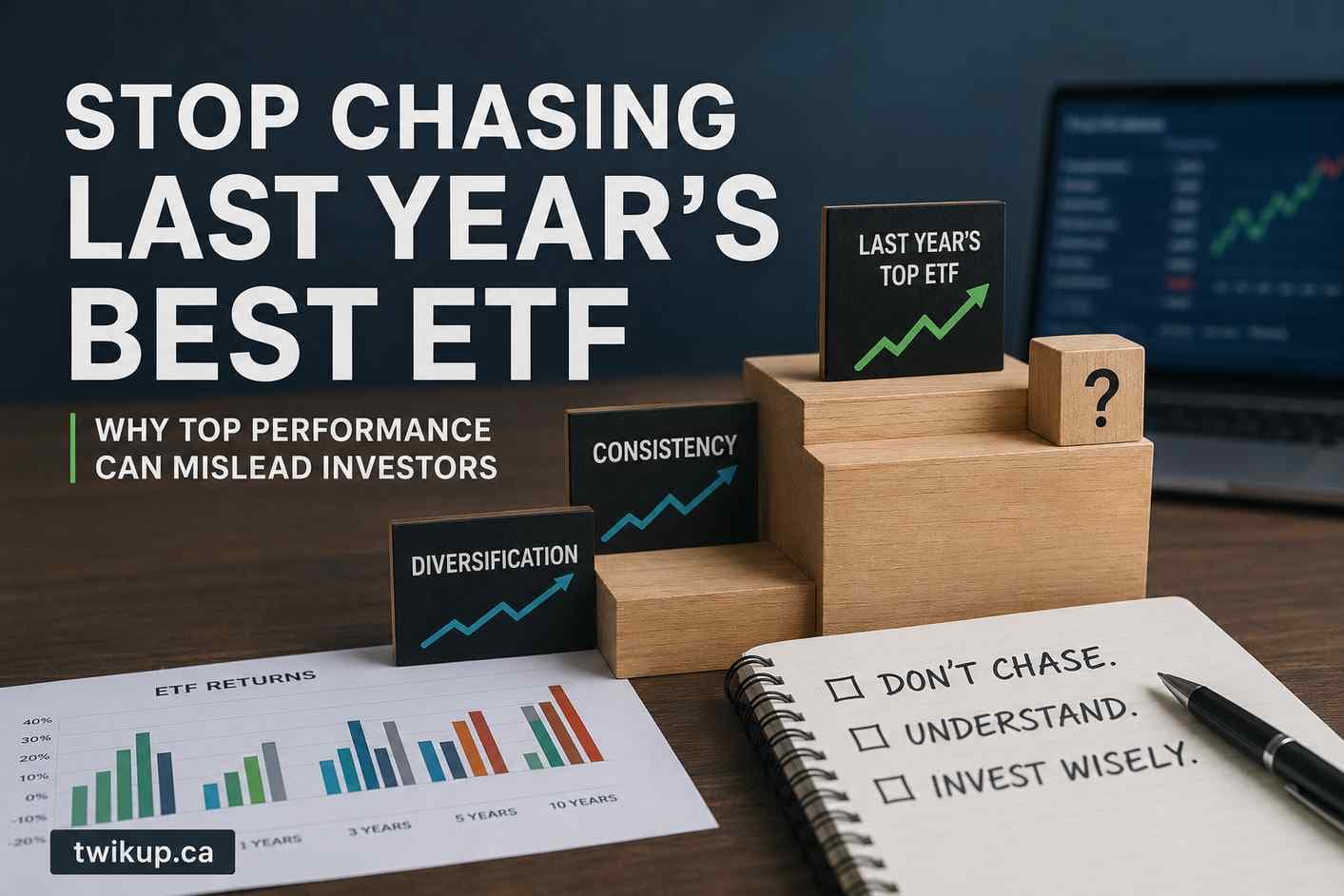
Should you buy the ETF that delivered the highest return last year? Not so fast. Learn why chasing the best-performing ETFs can hurt long-term returns, how to evaluate ETF returns over the last 10 years, and what Canadian investors should consider before investing. Includes practical examples, common mistakes, and a smarter framework for choosing ETFs instead of following recent winners.
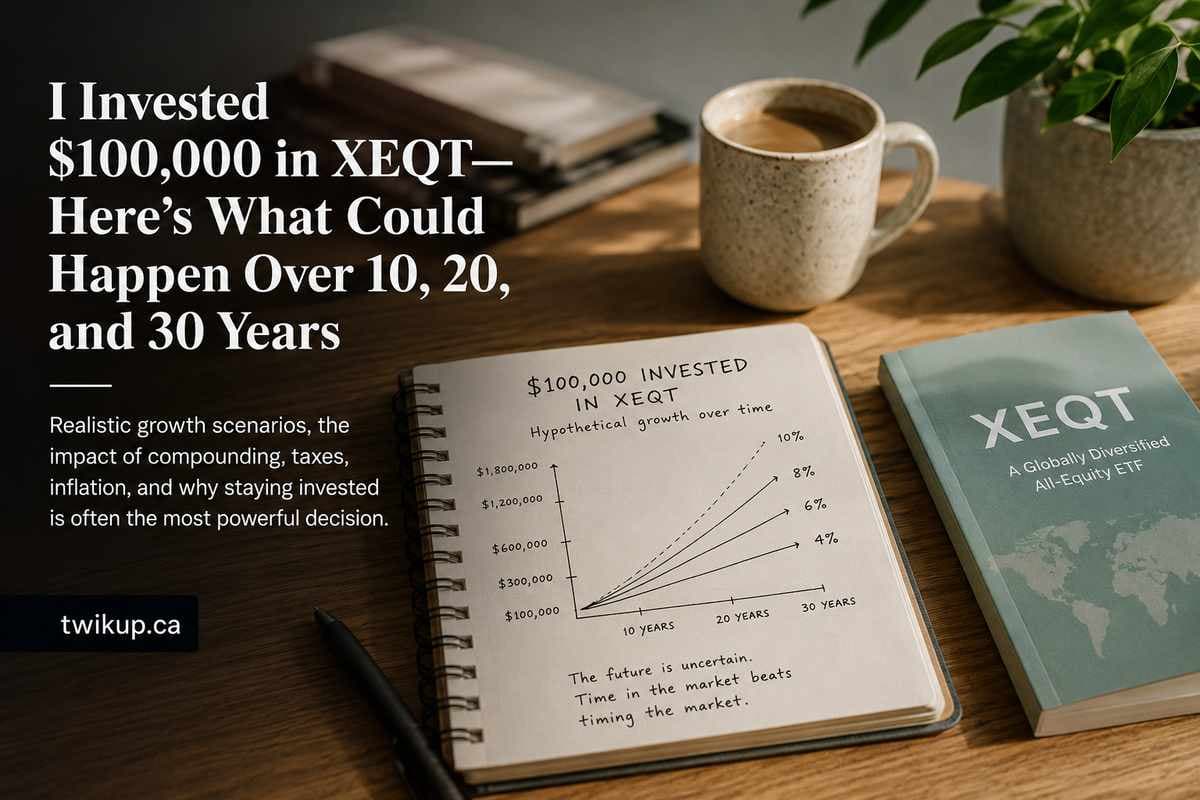
What could happen if you invest $100,000 in XEQT? Explore realistic 10-, 20-, and 30-year growth scenarios, understand the impact of compounding, inflation, taxes, and investor behaviour, and learn why staying invested often matters more than trying to time the market.
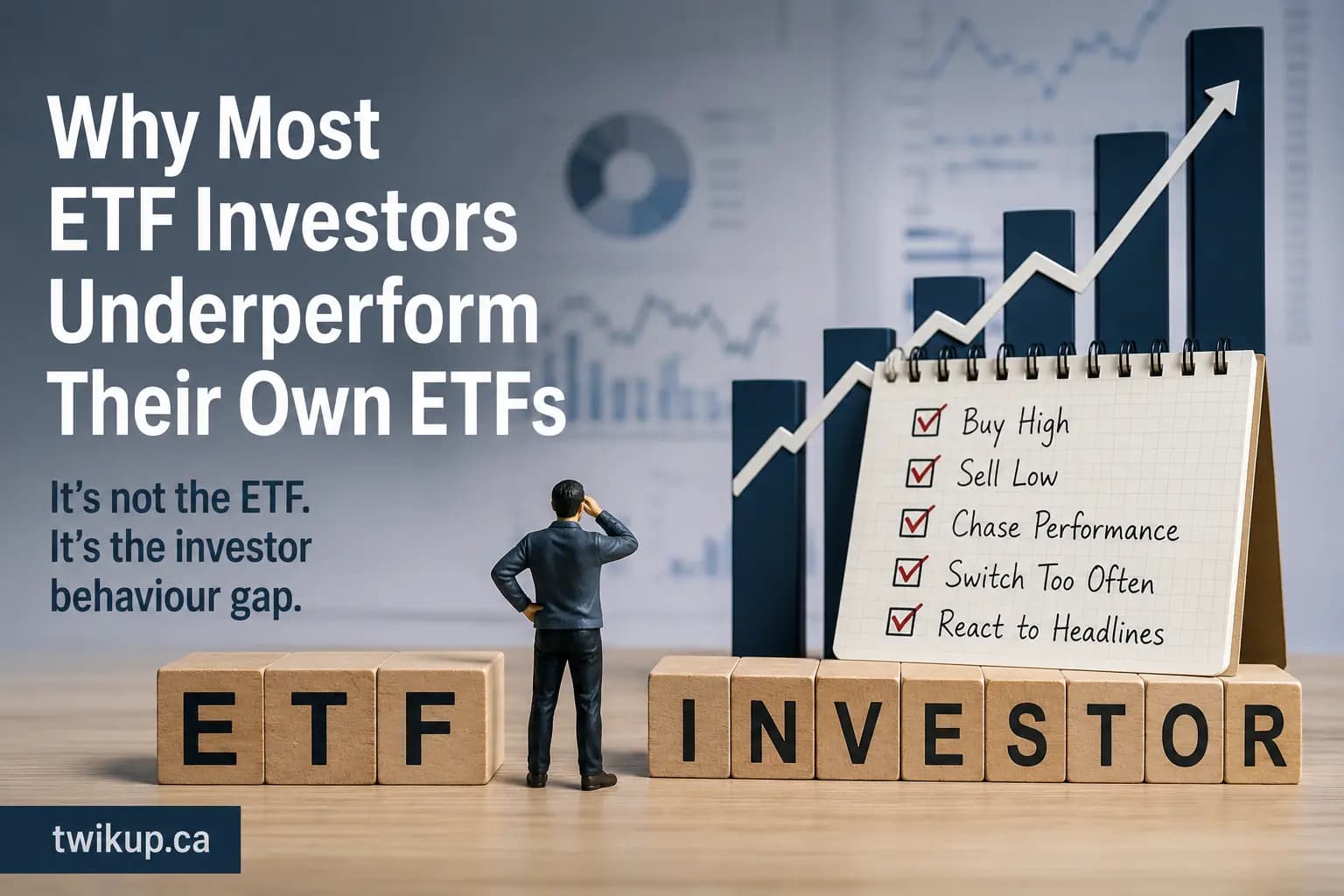
Most ETF investors don't underperform because they picked the wrong ETF—they underperform because of emotional decisions like buying high, selling during market declines, and constantly switching strategies. Learn why investor behaviour matters more than ETF selection and how Canadians can improve long-term investment results
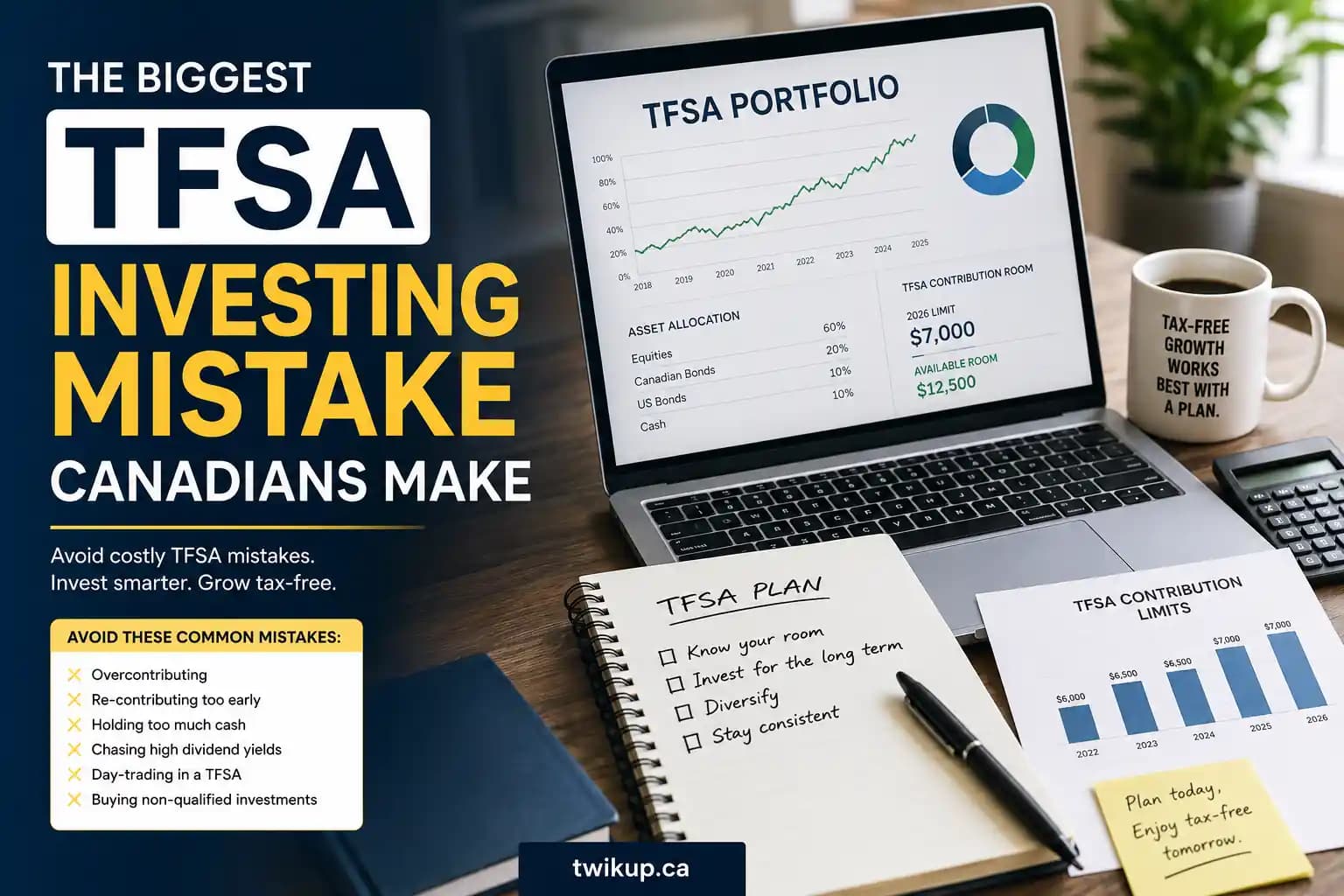
Learn the biggest TFSA investing mistakes Canadians make in 2026, from overcontributing and recontributing too early to holding too much cash or chasing risky investments. Discover how to use your Tax-Free Savings Account to build long-term, tax-free wealth while avoiding common CRA pitfalls.
Understand whether your portfolio has too much AI exposure, if the Magnificent Seven are still worth owning, and why diversification matters for long-term investing in 2026.
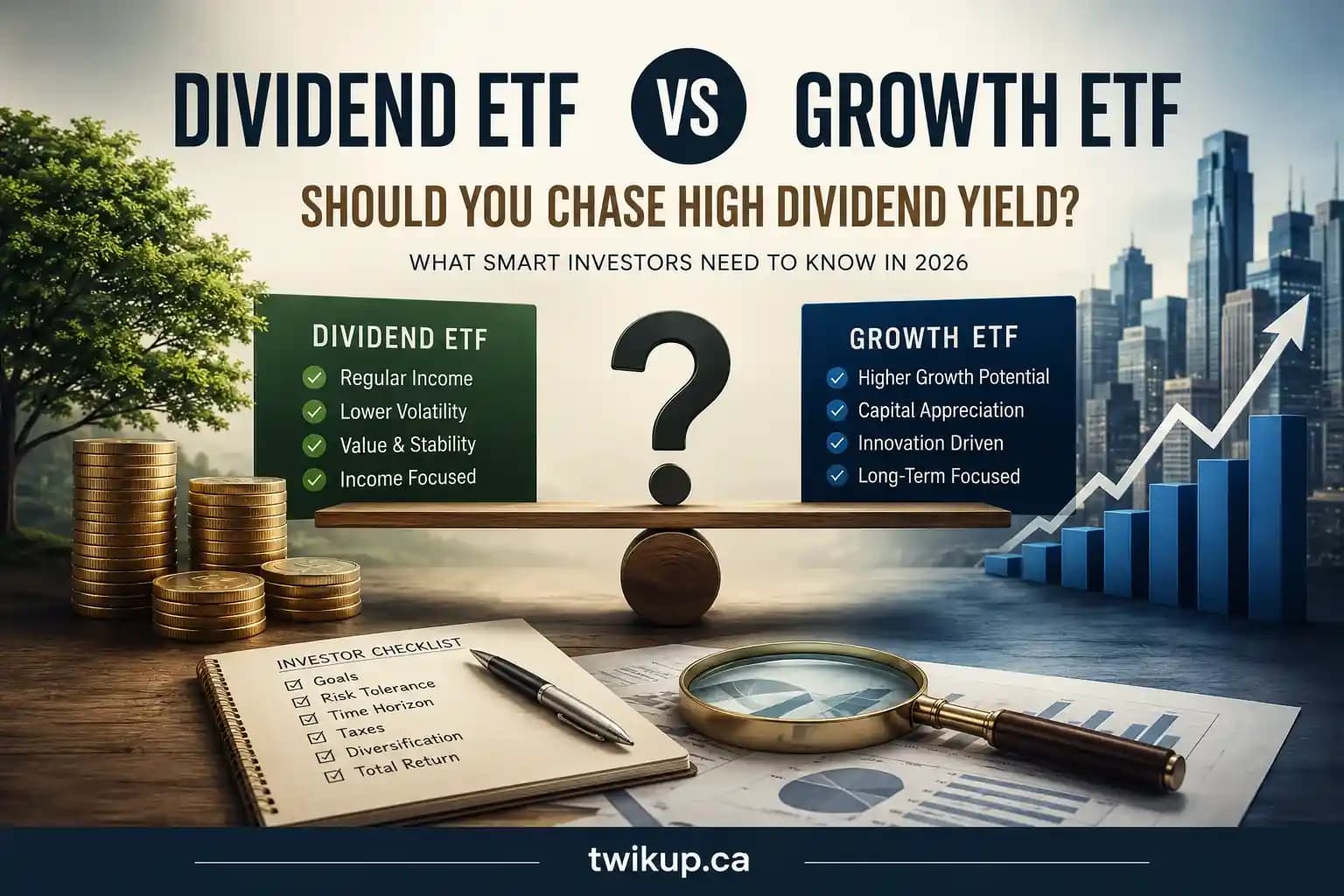
Dividend ETFs can feel safer because they pay regular income, while growth ETFs can feel more exciting because they target long-term capital appreciation. This 2026 guide explains the real trade-off, why high dividend yields can be risky, and why total return matters more than income alone.
XEQT, VEQT, VFV or VOO? Compare global diversification, S&P 500 exposure, fees, risk, taxes and investing strategies to find which ETF may fit your long-term goals in 2026.
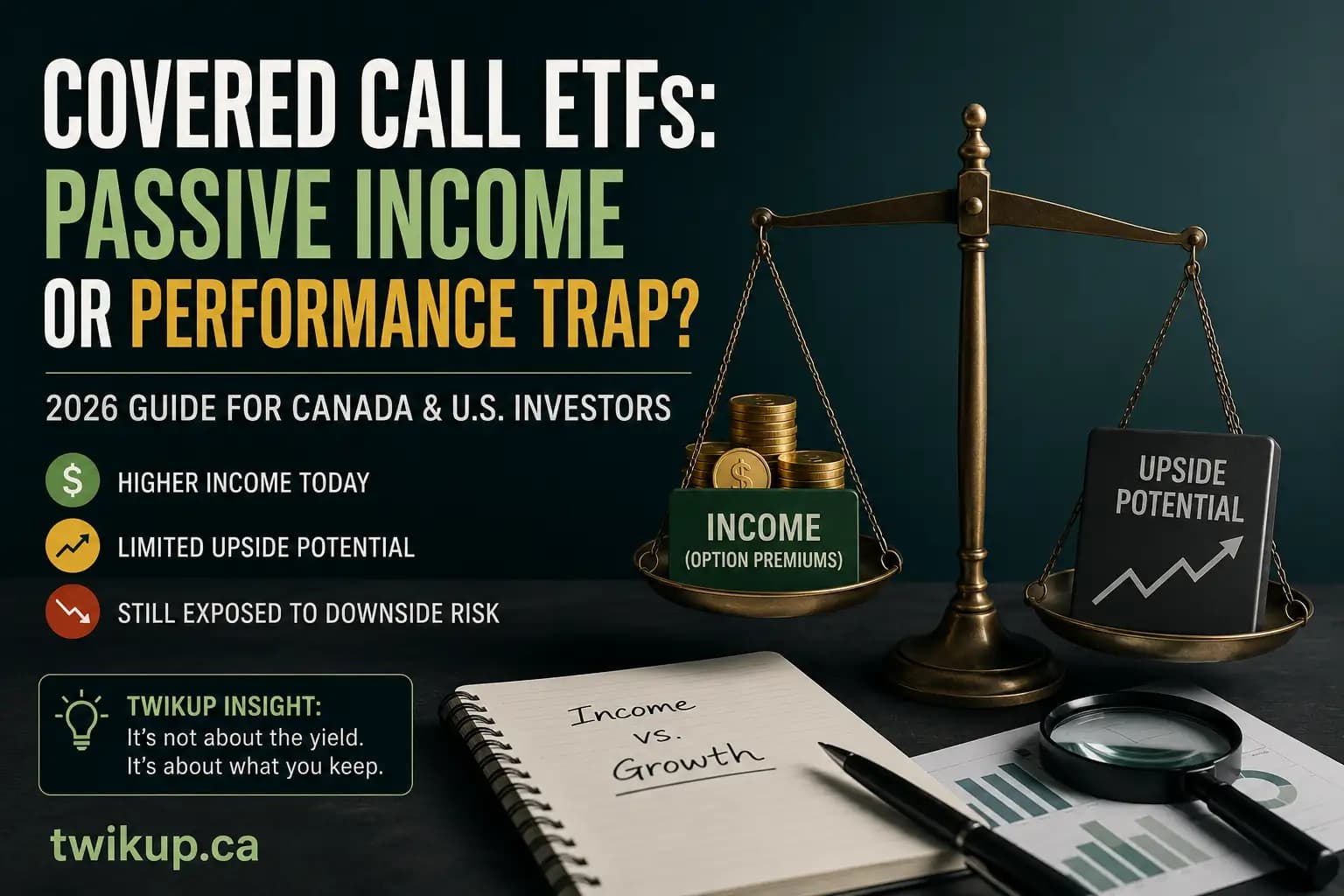
Covered call ETFs promise high monthly income—but what are investors giving up in return? This 2026 Canada and U.S. guide explains how covered call ETFs work, why high yields can hide lower total returns, when these strategies may make sense, and how taxes, market conditions, and long-term compounding can turn passive income into a potential performance trap.
Is one S&P 500 ETF enough for long-term wealth? This guide compares VFV for Canadian investors and VOO for U.S. investors, explaining when a simple S&P 500 strategy may work, when diversification matters, and what young investors should consider before going 100% into one ETF.
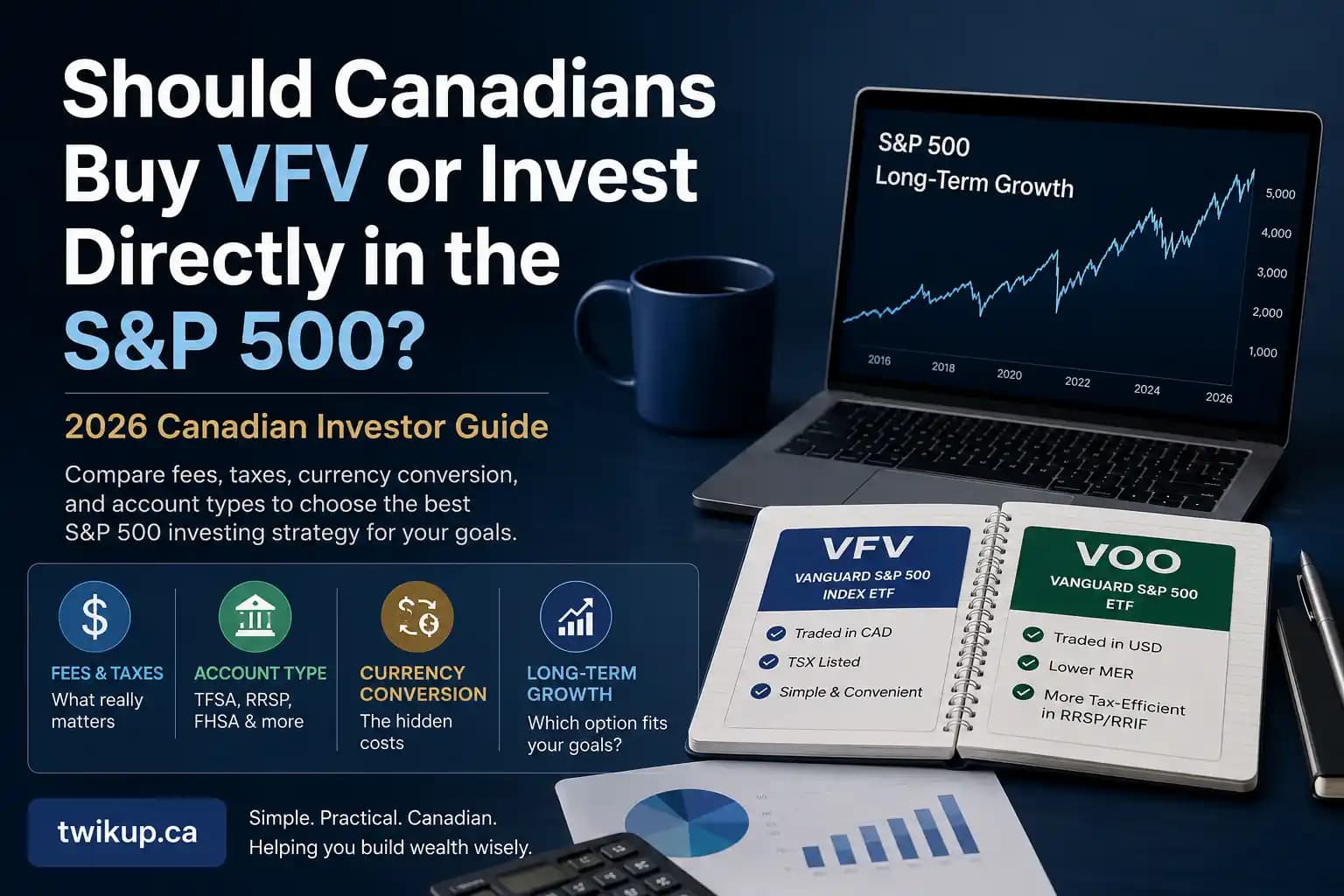
Should Canadians buy VFV or invest directly in a U.S.-listed S&P 500 ETF like VOO? This 2026 guide compares fees, taxes, currency conversion, TFSA and RRSP considerations, and long-term investing strategies to help Canadian investors choose the option that best fits their financial goals.
Wondering whether VFV or ZSP is the better S&P 500 ETF for Canadians? See how a $10,000 investment performed over the past 10 years, compare fees, returns, taxes, and key differences to help you make a more informed long-term investing decision.