
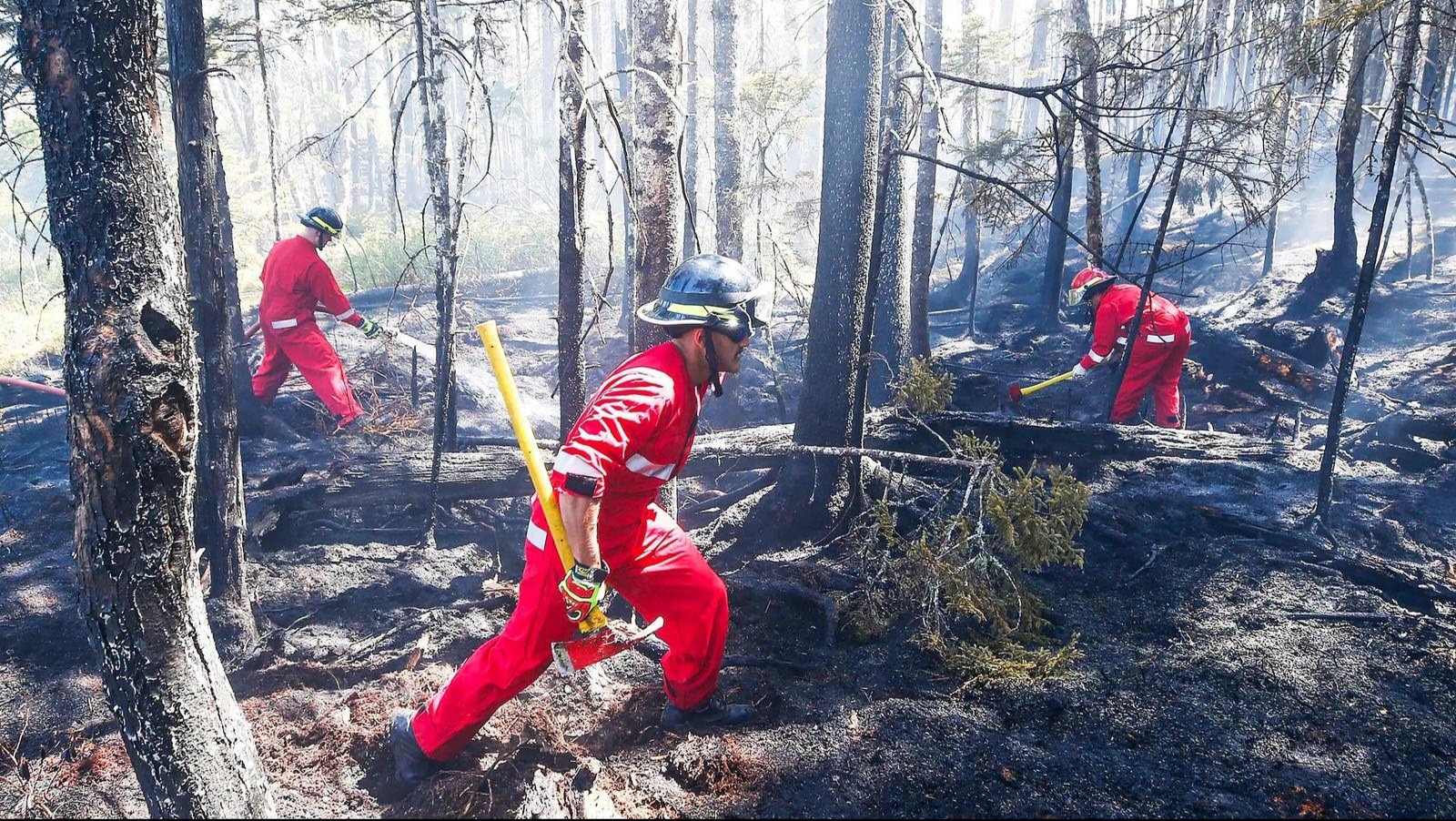
Canada is entering the 2026 wildfire season with concerns already mounting over elevated temperatures, dry conditions, and the growing influence of climate change. While no two fire seasons are identical, forecasts suggest that several regions could once again face heightened wildfire activity.
The concern extends beyond individual fires. Scientists and emergency agencies increasingly view severe wildfire seasons as part of a broader shift in Canada's climate patterns.
Why 2026 Could Bring Another Challenging Fire Season
Weather forecasts and climate assessments point to conditions that favour increased wildfire risk.
Several factors are contributing to the outlook:
-
Higher-than-normal temperatures
-
Persistent drought in some regions
-
Dry vegetation that can act as fuel
-
Earlier snowmelt in certain areas
-
Strong winds that can accelerate fire spread
Western Canada, parts of the Prairies, and some northern regions are expected to remain particularly vulnerable.
The Bigger Picture Goes Beyond Individual Fires
Wildfires have become one of Canada's most visible climate challenges.
The trend reflects a combination of rising temperatures and changing precipitation patterns. Scientists warn that warmer conditions can extend fire seasons and create environments that are more conducive to extreme fire behaviour.
TwikUp recently explored this trend in Canada's Summer 2026 Will Be Hotter Than Normal: https://twikup.ca/canada/weather-environment/canadas-summer-2026-will-be-hotter-than-normal
Another analysis, Canada's Wildfire Risk Set to Climb This Summer, examined how seasonal forecasts are pointing to elevated fire danger: https://twikup.ca/canada/weather-environment/canadas-wildfire-risk-set-to-climb-this-summer
Climate Technology Is Becoming Part of the Response
Governments, researchers, and private companies are increasingly investing in climate technologies designed to improve monitoring and disaster response.
These include:
-
Satellite-based detection systems
-
Artificial intelligence tools
-
Advanced forecasting models
-
Drone-assisted fire monitoring
-
Early warning systems
TwikUp previously examined this emerging trend in Canada's Wildfire Crisis Fuels Climate Tech Race: https://twikup.ca/canada/weather-environment/canadas-wildfire-crisis-fuels-climate-tech-race
Why Wildfires Affect More Than Forests
The consequences extend far beyond burned landscapes.
Major wildfire events can affect:
-
Air quality
-
Transportation
-
Energy infrastructure
-
Insurance costs
-
Public health
-
Economic activity
Smoke from Canadian wildfires has increasingly crossed provincial and international borders, highlighting the interconnected nature of climate risks.
What Canadians Should Watch in the Months Ahead
Conditions can change quickly throughout the summer.
Key indicators include:
-
Heat waves.
-
Rainfall patterns.
-
Drought conditions.
-
Lightning activity.
-
Provincial emergency updates.
Although forecasts indicate elevated risks, weather conditions later in the season will ultimately determine the severity of wildfire activity.
FAQ: Canada's Wildfire Season
Why is Canada experiencing more severe wildfire seasons?
Scientists point to rising temperatures, drought conditions, and changing climate patterns that create environments more conducive to fires.
Which regions face the greatest wildfire risk?
Western Canada, parts of the Prairies, and northern regions are generally among the most vulnerable.
Are wildfires becoming more common?
Experts increasingly view extreme wildfire seasons as part of a longer-term trend associated with climate change.
How do wildfires affect people outside fire zones?
Smoke can travel long distances, affecting air quality, transportation, and public health.
Can technology help reduce wildfire damage?
New tools such as satellite monitoring, artificial intelligence, and early warning systems are improving detection and response capabilities.
Will 2026 be worse than previous years?
It is too early to know with certainty. However, forecasts suggest elevated risks compared with historical averages.
Sources
-
Natural Resources Canada, "Canadian Wildland Fire Information System" https://cwfis.cfs.nrcan.gc.ca/
-
Natural Resources Canada https://natural-resources.canada.ca/
-
Canadian Interagency Forest Fire Centre (CIFFC) https://ciffc.net/
-
Environment and Climate Change Canada https://www.canada.ca/en/environment-climate-change.html
-
Government of Canada, Weather and Climate Information https://weather.gc.ca/
-
World Meteorological Organization (WMO) https://wmo.int/
-
Public Safety Canada, Emergency Preparedness https://www.publicsafety.gc.ca/