
What happened
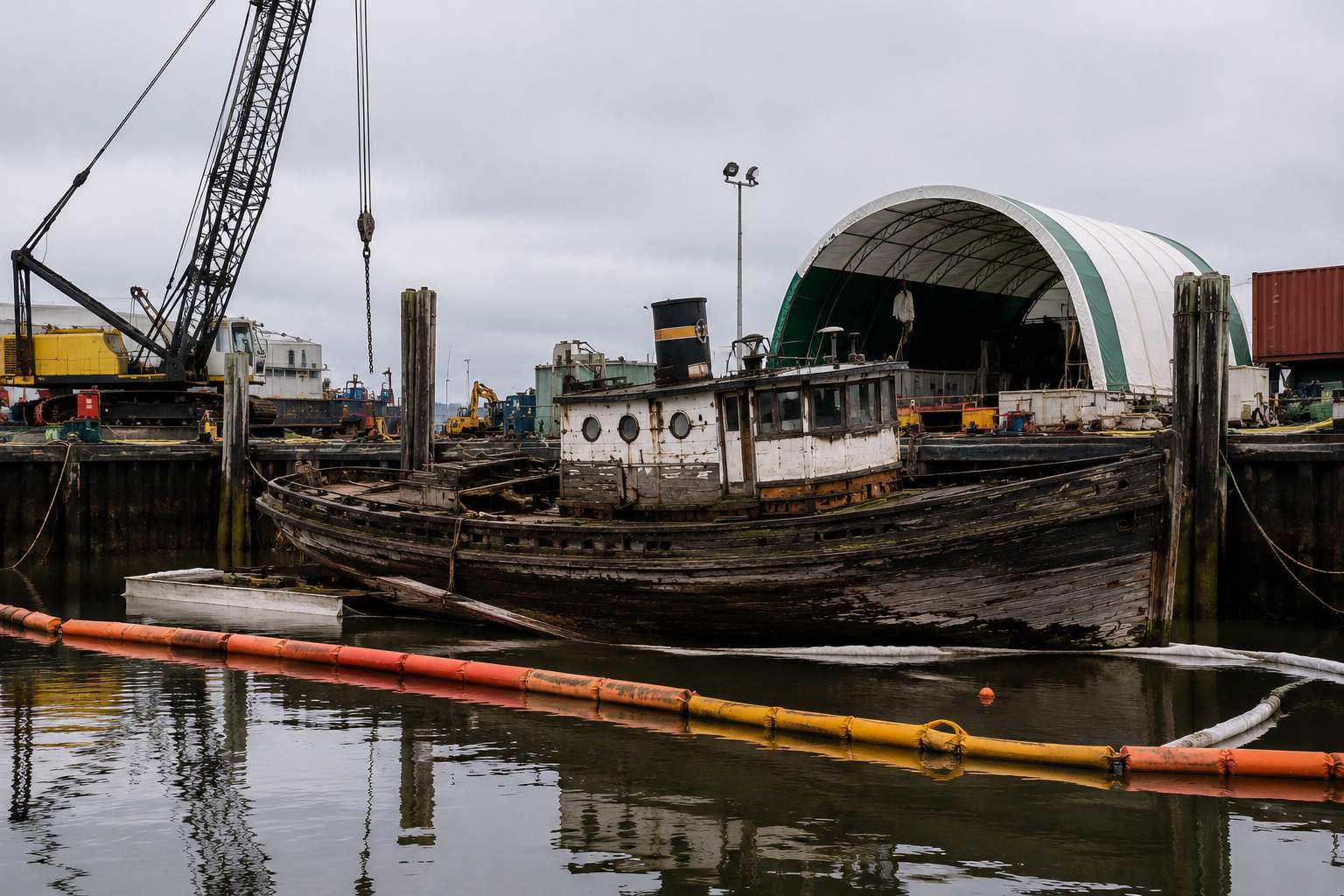
The Canadian Coast Guard is taking the next step toward recovering a $75,000 administrative penalty issued over a deteriorating wooden tug on the Fraser River in Richmond, British Columbia.
The penalty was issued in April to the owner of the MV Breeze, a 27-metre vessel identified as hazardous under the Wrecked, Abandoned or Hazardous Vessels Act. According to the Coast Guard, the owner failed to deal with the vessel and did not comply with a direction issued under the law.
The owner had 30 days to pay or request a review before the Transportation Appeal Tribunal of Canada. The tribunal confirmed on June 24 that neither had occurred. The government says the certificate of debt will now be registered with the Federal Court for future recovery.
Why hazardous vessels matter
An aging or abandoned boat can create more than an appearance problem. Deteriorating hulls may release fuel, oil, paint, plastics or other materials into waterways. A vessel can also sink, drift, obstruct navigation or create hazards for nearby docks and marine traffic.
Cleanup becomes more difficult when ownership is unclear or an owner lacks the resources to act. In those situations, public agencies may have to secure, remove or dismantle the vessel before attempting to recover the cost.
Canadian law places responsibility on owners to maintain boats and dispose of them properly at the end of their useful lives. It is illegal to abandon a vessel in Canadian waters.
The national picture
The Coast Guard maintains a public inventory to track reported wrecked, abandoned and hazardous boats and help determine which cases require priority action. More than 2,000 vessels have been reported across the country.
Since 2016, the federal government has funded almost 800 projects involving the removal and disposal of problem vessels. The Coast Guard is also required to publicly report penalties issued under the federal Act.
The MV Breeze case shows how enforcement can continue after the original payment deadline. Registering a debt with the Federal Court can provide a route for collection, although it does not guarantee when or how much money will be recovered.
What happens next
The government has not announced the final physical plan for the tug in this release. Residents and river users will be watching for steps that reduce any environmental or navigation risk while the financial recovery process continues.
The Coast Guard is asking members of the public to report vessels that appear wrecked, abandoned or hazardous. Useful reports can help authorities identify a vessel, assess its condition and locate the responsible owner.
For boat owners, the case is a reminder that leaving a vessel unmanaged can produce both environmental consequences and significant financial liability.