
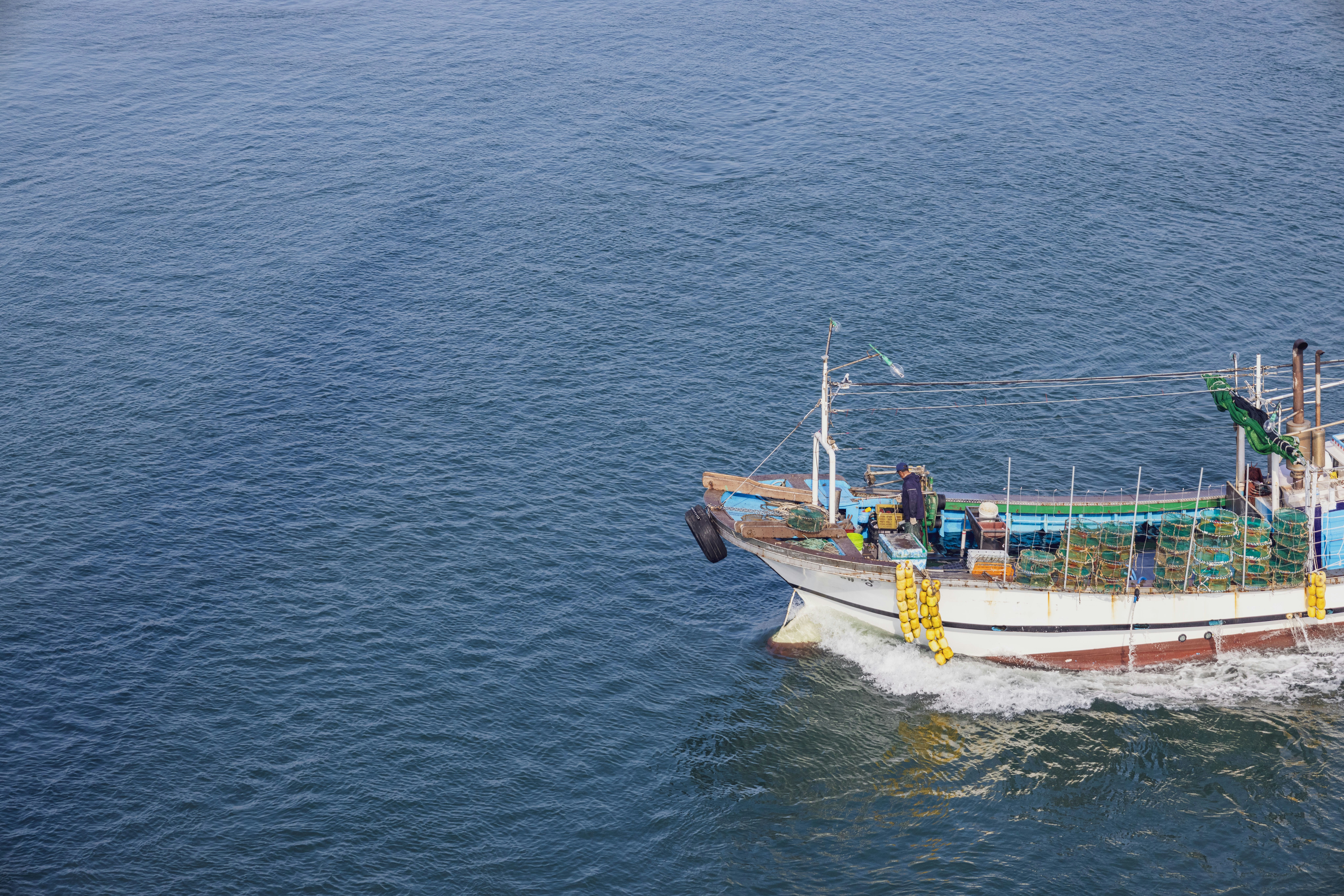
Canada is expanding efforts to combat illegal fishing in the North Pacific, reflecting growing concerns over the impact of unsustainable fishing practices on marine ecosystems and global food supplies.
The latest mission highlights how illegal, unreported, and unregulated fishing has become an increasingly international challenge.
Why Illegal Fishing Is a Global Concern
Illegal, unreported, and unregulated fishing, often referred to as IUU fishing, undermines efforts to manage fish stocks sustainably.
It can contribute to overfishing, damage marine ecosystems, and create unfair competition for law-abiding fishers.
According to international organizations, IUU fishing also threatens food security and can weaken the economic stability of coastal communities.
Canada Is Working With International Partners
Canada's operation in the North Pacific involves cooperation with allies and regional organizations focused on protecting fisheries and enforcing international rules.
Monitoring and surveillance activities are intended to identify vessels suspected of engaging in illegal practices and improve information sharing among participating countries.
The effort reflects growing recognition that no single country can effectively address the issue on its own.
Food Security Is Part of the Bigger Picture
The consequences of illegal fishing extend beyond environmental concerns.
Millions of people around the world depend on seafood as a major source of protein and income.
Unsustainable practices can disrupt fish populations, increase pressure on ecosystems, and threaten livelihoods that rely on healthy oceans.
Technology Is Playing a Bigger Role
Governments are increasingly relying on satellite monitoring, aircraft surveillance, and international cooperation to track suspicious activity at sea.
New technologies have improved the ability of countries to detect vessels operating outside legal frameworks.
Officials say stronger cooperation and better monitoring are essential to protecting marine resources.
Why the Issue Matters
Illegal fishing is often viewed as an environmental issue, but its effects are broader.
The problem touches food security, economic development, international law, and the long-term health of ocean ecosystems.
As pressure on marine resources grows, countries are placing greater emphasis on cooperation and enforcement.
The latest Canadian mission reflects that shift.
Related
- Climate Change Doesn't Just Mean Hotter Summers https://twikup.ca/world/climate-world/climate-change-doesnt-just-mean-hotter-summers