
Artificial intelligence was once viewed primarily as a commercial technology. Today, governments increasingly see it through a different lens.
Control over chips, computing power, data centers, and AI talent is becoming a matter of economic competitiveness and national security. The race for AI is no longer simply about building better models. It is increasingly about influence, resilience, and geopolitical power.
Why AI Has Moved Beyond The Technology Sector
The importance of artificial intelligence now extends far beyond consumer applications.
Governments and businesses are integrating AI across healthcare, finance, manufacturing, and defence. Increasingly, policymakers view the technology not only as an engine of economic growth but also as a strategic capability with implications for national security and technological leadership.
The growing role of AI in defence and critical infrastructure highlights how governments are approaching the technology through a broader geopolitical lens.
Chips And Computing Power Are Becoming Strategic Assets
Modern AI systems depend on advanced semiconductors and enormous computing resources.
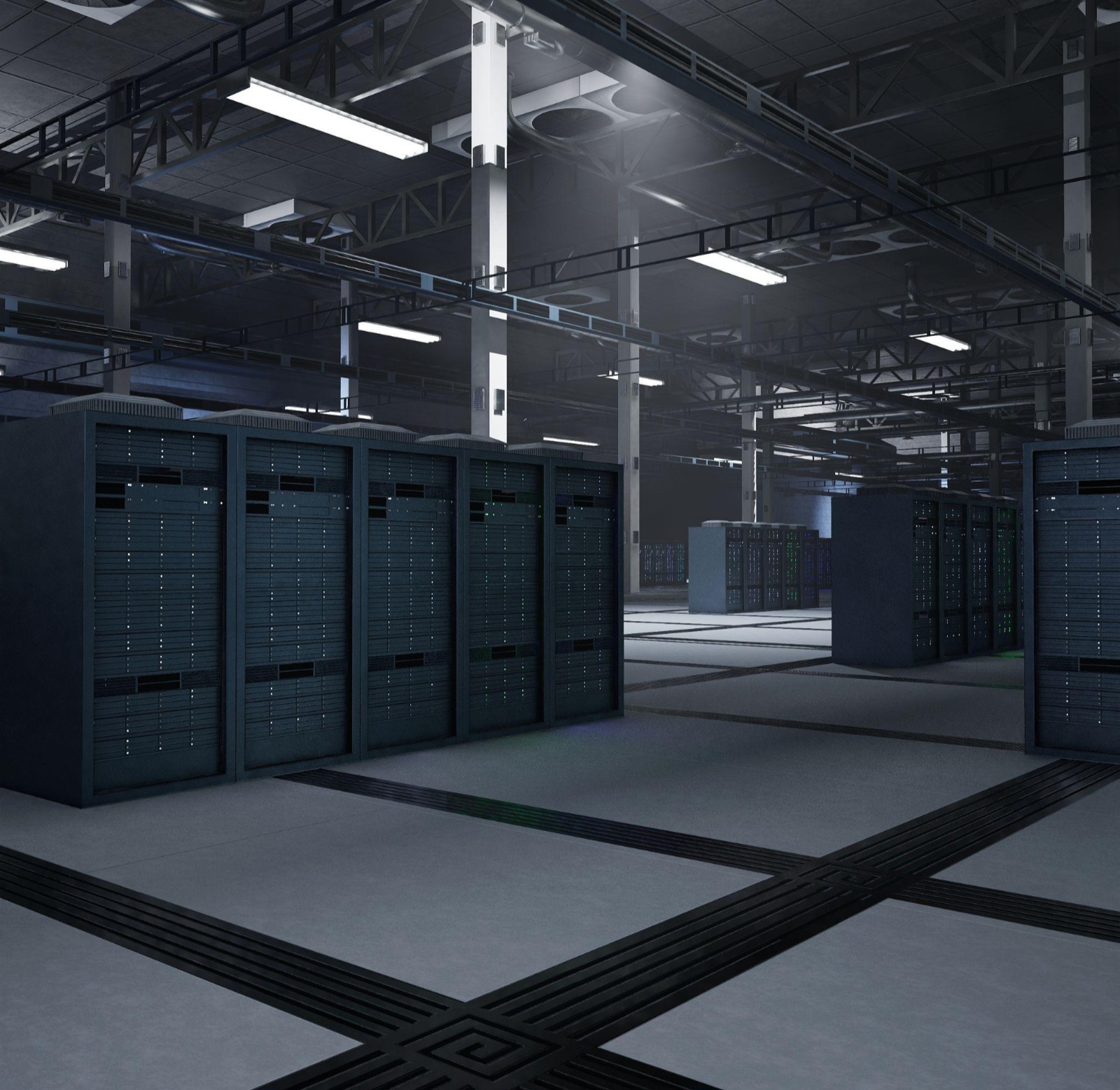
Access to cutting-edge chips, data centers, and reliable energy supplies has become a source of strategic advantage. Competition increasingly revolves around computing capacity and infrastructure as much as software itself.
Efforts to secure semiconductor supply chains and reduce technological vulnerabilities have transformed computing infrastructure into a geopolitical issue.
Different Regions Are Pursuing Different Approaches
Countries are not following a single model.
The United States has focused on maintaining technological leadership and strengthening national security capabilities.
Europe has emphasized regulation, digital sovereignty, and the development of its own AI ecosystem. Meanwhile, governments around the world are investing in domestic capabilities to reduce dependence on foreign technologies.
These differing approaches suggest that politics may shape the future of AI as much as innovation itself.
Why AI Competition Is About More Than Algorithms
Artificial intelligence depends on a much broader ecosystem.
Several factors are becoming increasingly important:
-
Semiconductor production.
-
Data centers and energy supply.
-
Access to advanced chips.
-
AI talent and research capabilities.
-
Regulatory frameworks.
-
Supply chain resilience.
That reality means countries are competing not only over AI models but also over the infrastructure needed to support them.
Technology Is Becoming A Question Of Sovereignty
The growing emphasis on AI sovereignty reflects broader changes in the global economy.
Governments increasingly worry about excessive dependence on foreign technologies. Many countries are trying to strengthen domestic capabilities while developing their own cloud infrastructure, semiconductor industries, and AI ecosystems.
The shift mirrors similar efforts taking place across other strategic sectors.
TwikUp recently explored this transformation in Why Critical Minerals Are Becoming the New Oil.
https://twikup.ca/world/global-politics/why-critical-minerals-are-becoming-the-new-oil
International gatherings are also changing as technology and security become more interconnected. More analysis is available in From Growth to Geopolitics: How the G7 Is Changing.
https://twikup.ca/world/global-politics/from-growth-to-geopolitics-how-the-g7-is-changing
The Next Phase Of Competition May Look Different
The AI race is unlikely to resemble previous technology booms.
Success may depend not only on breakthroughs in algorithms but also on access to energy, manufacturing capacity, infrastructure, and international partnerships.
Countries capable of combining innovation with strategic resilience could gain advantages that extend far beyond the technology sector.
In that sense, artificial intelligence is becoming more than a technological revolution.
It is becoming a geopolitical contest.
What To Watch In The Years Ahead
Several developments could shape the next phase of AI competition:
-
Greater investment in chips and infrastructure.
-
Expansion of sovereign AI strategies.
-
Increased export controls.
-
Competition for talent and computing power.
-
Stronger links between AI and national security.
The outcome may influence not only technological leadership but also the balance of economic and geopolitical power.
FAQ: Brief Insights on AI and Geopolitics
Why is AI becoming a geopolitical issue?
Governments increasingly view artificial intelligence as essential for economic competitiveness, national security, and technological sovereignty.
Why are chips so important in the AI race?
Advanced AI systems require enormous computing power, making semiconductors and infrastructure critical strategic assets.
Which countries are leading the AI race?
The United States and China remain the dominant players, while Europe, Japan, South Korea, India, and several Middle Eastern countries are investing heavily to strengthen their own AI capabilities.
Why are governments investing in sovereign AI?
Countries want to reduce dependence on foreign technologies and ensure that critical AI infrastructure remains under domestic control.
How does AI affect national security?
AI is increasingly being used in defence, cybersecurity, intelligence analysis, and autonomous systems, making it an important strategic capability.
Why are data centers becoming so important?
Modern AI models require massive computing power. Data centers and reliable energy supplies have become essential infrastructure for technological leadership.
What role do semiconductors play in artificial intelligence?
Advanced chips provide the processing power needed to train and operate sophisticated AI systems. Without them, AI development becomes much more difficult.
Why are export controls becoming more common?
Governments are trying to protect sensitive technologies and prevent strategic rivals from gaining unrestricted access to advanced AI capabilities.
Could AI reshape the global balance of power?
Potentially. Countries that combine innovation, infrastructure, talent, and strategic resilience may gain economic and geopolitical advantages that extend well beyond the technology sector.
Is the AI race only about technology companies?
No. The competition increasingly involves governments, universities, chip manufacturers, energy providers, and international alliances.
How is AI linked to other strategic industries?
Artificial intelligence depends on semiconductors, critical minerals, energy infrastructure, and secure supply chains, connecting it to broader economic and geopolitical priorities.
What should readers watch in the coming years?
Key developments include investment in computing infrastructure, semiconductor competition, AI regulation, export controls, and growing links between artificial intelligence and national security.
Related Perspectives
Why Critical Minerals Are Becoming the New Oil
https://twikup.ca/world/global-politics/why-critical-minerals-are-becoming-the-new-oil
From Growth to Geopolitics: How the G7 Is Changing
https://twikup.ca/world/global-politics/from-growth-to-geopolitics-how-the-g7-is-changing
Why Investors Fear Uncertainty More Than Oil Prices in the US-Iran Conflict