
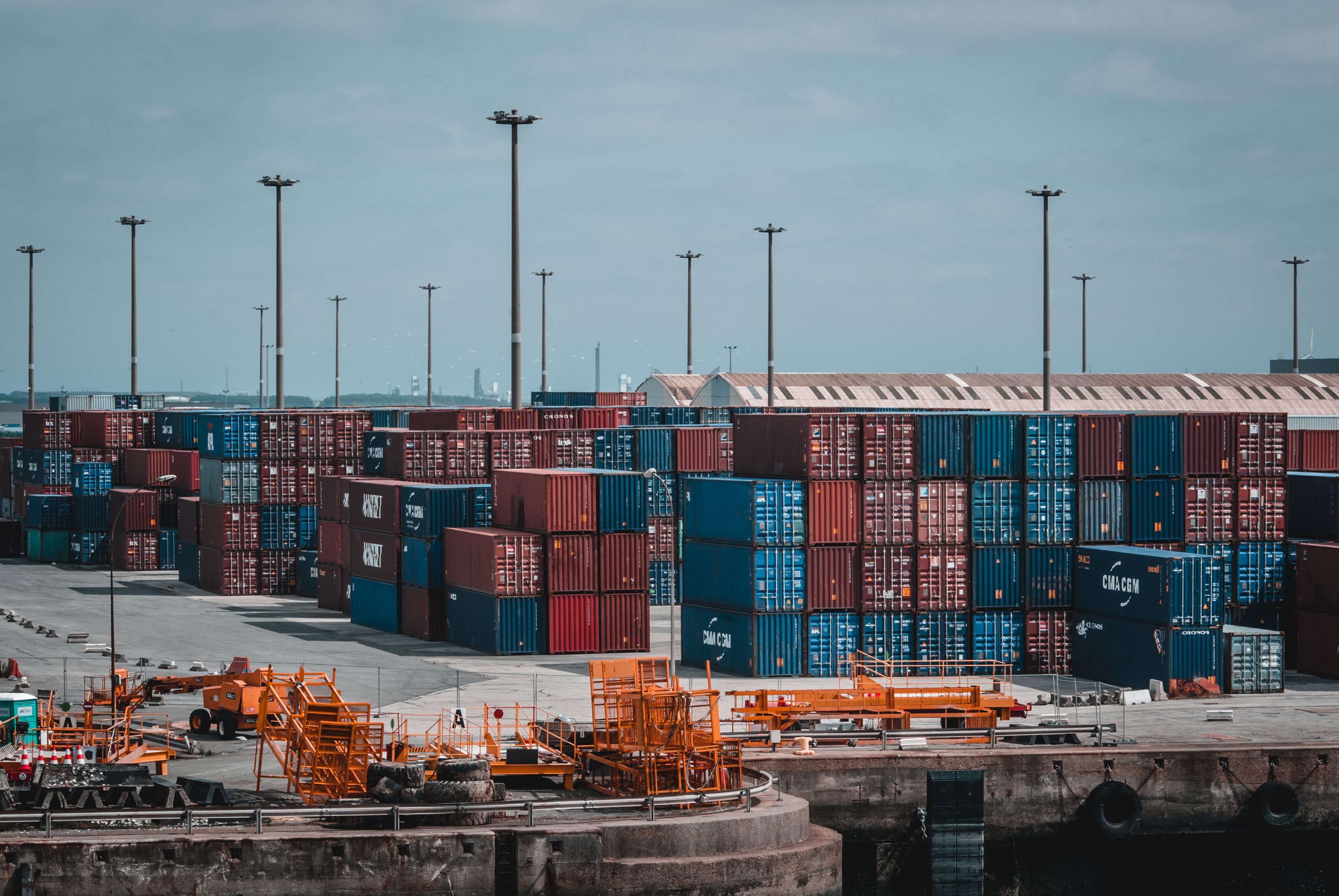
Globalization once prioritized efficiency above all else. Countries and companies built supply chains designed to minimize costs and maximize productivity.
However, pandemics, wars, geopolitical tensions, and climate-related disruptions have exposed vulnerabilities that many governments previously overlooked.
Today, resilience is increasingly becoming as important as efficiency.
Why Supply Chains Matter
Supply chains support nearly every sector of the economy.
They influence:
- Food systems.
- Energy markets.
- Electronics.
- Pharmaceuticals.
- Transportation.
- Manufacturing.
Disruptions can quickly spread across borders and industries, affecting prices, production, and economic stability.
The Pandemic Changed Global Thinking
COVID-19 revealed how dependent many countries had become on complex international networks.
Shortages affected:
- Medical supplies.
- Semiconductors.
- Consumer goods.
- Shipping.
- Industrial inputs.
These disruptions prompted governments to rethink the balance between efficiency and resilience.
Geopolitical Rivalries Are Increasing Risks
Growing tensions among major powers are changing trade relationships.
Concerns include:
- Export restrictions.
- Economic sanctions.
- Strategic dependencies.
- Technology competition.
TwikUp recently explored these developments in The Race for AI Is Becoming a Geopolitical Contest.
Technology competition increasingly depends on access to critical components and manufacturing capabilities.
Critical Minerals Have Become Strategic Assets
Modern industries rely heavily on minerals essential for batteries, semiconductors, and clean energy technologies.
TwikUp previously examined this shift in Why Critical Minerals Are Becoming the New Oil.
As countries compete for secure access, resource security is becoming part of national security.
Climate Risks Add New Challenges
Extreme weather events can disrupt transportation networks and industrial production.
TwikUp recently examined these broader trends in Climate Change Is Reshaping Global Development.
Climate-related disruptions are forcing governments and businesses to rethink infrastructure and resilience.
Food and Water Security Depend on Supply Chains
Modern food systems rely on transportation, trade, and resource availability.
TwikUp recently explored these issues in:
Increasingly, governments recognize that economic security and resource security are deeply interconnected.
Governments Are Prioritizing Resilience
Countries are responding through:
- Domestic manufacturing.
- Diversification.
- Strategic stockpiles.
- Friend-shoring.
- Infrastructure investments.
These measures aim to reduce vulnerabilities while preserving the benefits of global trade.
Why This Matters
Supply chains are no longer just business concerns.
They affect inflation, food prices, technology, energy systems, and geopolitical influence.
In an era of increasing uncertainty, resilience may become one of the defining priorities of the global economy.
FAQ
Why are supply chains considered national security issues?
Because disruptions can affect essential goods, technology, energy, and economic stability.
Did COVID-19 change attitudes toward supply chains?
Yes. The pandemic highlighted vulnerabilities and dependence on global networks.
How do critical minerals fit into supply chain security?
They are essential for technologies ranging from batteries to semiconductors.
Does climate change affect supply chains?
Yes. Extreme weather events can disrupt production and transportation.
What is friend-shoring?
It refers to building supply chains with trusted allies to reduce geopolitical risks.
Related Perspectives
Sources
-
World Trade Organization (WTO), Global Supply Chains and Trade https://www.wto.org/
-
Organisation for Economic Co-operation and Development (OECD), Global Supply Chains and Resilience https://www.oecd.org/trade/topics/global-supply-chains-and-resilience/
-
World Bank, Supply Chains and Economic Development https://www.worldbank.org/en/topic/trade
-
International Monetary Fund (IMF), Geoeconomic Fragmentation and Supply Chains https://www.imf.org/en/Topics/Geoeconomics
-
United Nations Conference on Trade and Development (UNCTAD), Global Trade Update https://unctad.org/
-
World Economic Forum, Why Supply Chain Resilience Matters https://www.weforum.org/
-
McKinsey Global Institute, Risk, Resilience, and Rebalancing in Global Value Chains https://www.mckinsey.com/mgi
-
United Nations Industrial Development Organization (UNIDO), Industrial Supply Chains and Resilience https://www.unido.org/
-
U.S. Department of Commerce, Supply Chain Resilience Center https://www.commerce.gov/
-
European Commission, European Economic Security Strategy https://commission.europa.eu/
-
International Energy Agency (IEA), Critical Minerals and Supply Chains https://www.iea.org/
-
World Resources Institute (WRI), Climate Risks and Supply Chain Disruptions https://www.wri.org/
-
Food and Agriculture Organization of the United Nations (FAO), Food Supply Chains https://www.fao.org/
-
World Health Organization (WHO), Pandemic Preparedness and Medical Supply Chains https://www.who.int/