
For decades, oil determined alliances, influenced wars, and shaped the global economy. A different set of resources is now gaining similar strategic importance.
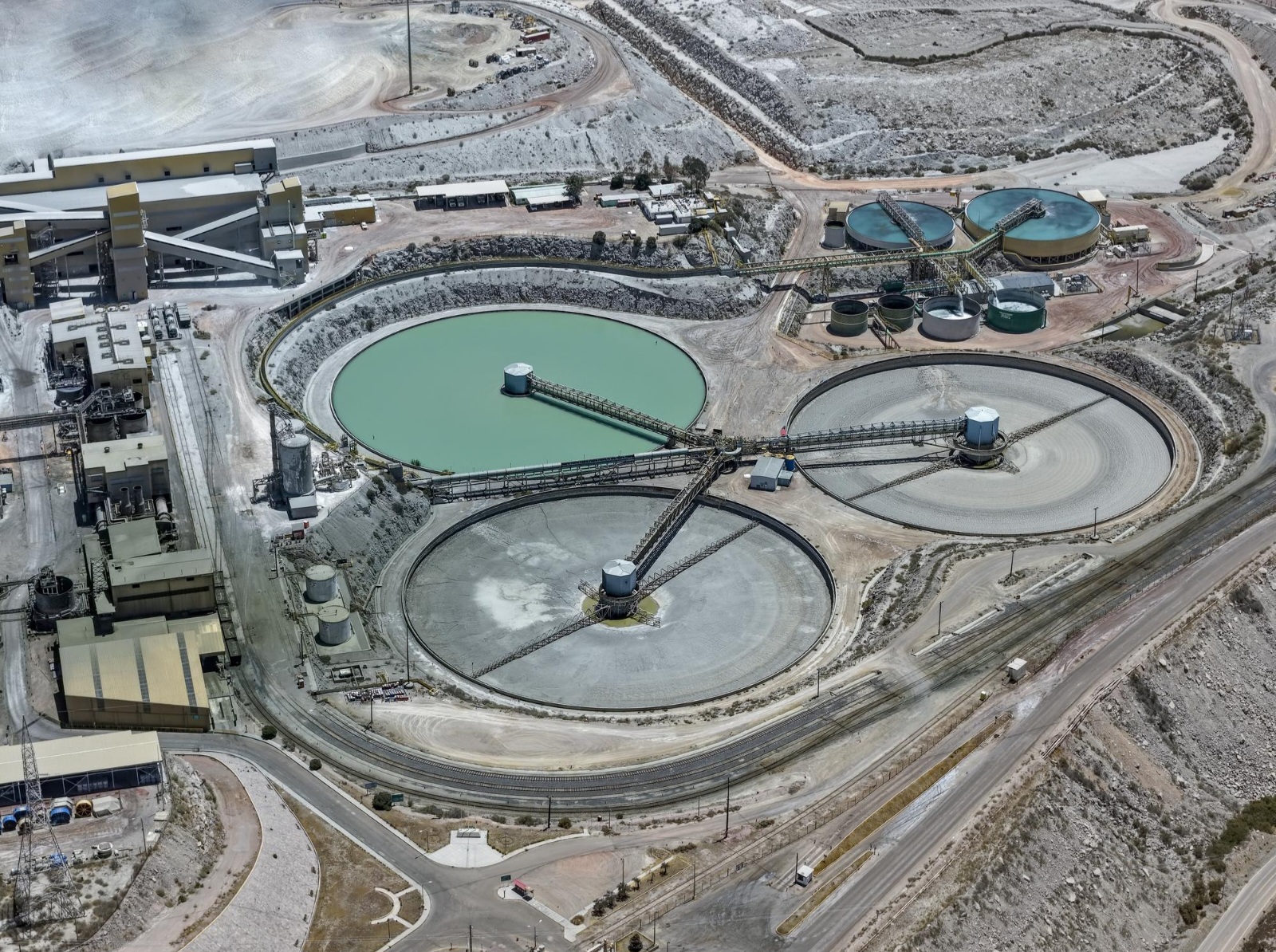
Lithium, copper, cobalt, nickel, and rare earth elements have become essential to electric vehicles, renewable energy systems, artificial intelligence, and advanced defence technologies. As demand rises, governments are increasingly treating access to these materials as a matter of national security.
Why These Minerals Matter Far Beyond Mining
Critical minerals are the building blocks of many modern technologies.
Lithium, nickel, cobalt, and graphite are essential for batteries. Rare earth elements help power wind turbines and electric vehicle motors, while copper forms the backbone of electricity networks and digital infrastructure. The International Energy Agency describes these materials as a new frontier for energy security. 1
As countries pursue cleaner energy systems and expand AI capabilities, demand for these resources is expected to continue rising.
That growing importance has transformed minerals once considered niche commodities into strategic assets.
A New Competition Is Emerging Between Major Powers
Unlike oil, where production is spread across multiple regions, processing and refining of many critical minerals remain heavily concentrated.
The International Energy Agency has warned that a single country dominates refining for most strategic minerals, creating new vulnerabilities for global supply chains. Export controls and trade restrictions have further heightened concerns. 2
Recent reports have highlighted how access to certain rare earth materials has become increasingly difficult for companies outside China, prompting businesses and governments to search for alternative sources. 3
The European Union is also considering measures aimed at reducing dependence on single suppliers and diversifying sensitive supply chains. 4
Why Critical Minerals Have Become A Geopolitical Issue
Resource competition is no longer confined to energy markets.
Critical minerals are now central to:
-
Electric vehicles.
-
Artificial intelligence infrastructure.
-
Semiconductor production.
-
Defence systems.
-
Power grids and renewable energy.
As a result, governments are increasingly approaching mining policy through the lens of economic resilience and national security rather than purely commercial considerations.
This changing landscape is influencing discussions among advanced economies as well. Critical mineral supply chains are expected to remain an important topic during this year's G7 summit. 5
Readers interested in the broader geopolitical evolution of international gatherings can explore "From Growth to Geopolitics: How the G7 Is Changing":
https://twikup.ca/world/global-politics/from-growth-to-geopolitics-how-the-g7-is-changing
Why Countries Are Building New Partnerships
Governments are increasingly forming alliances to secure access to critical resources.
India and the United Kingdom recently launched new initiatives aimed at strengthening cooperation on mineral supply chains. 6
Canada and Australia have also expanded cooperation in this area as Western countries seek to diversify sources and reduce concentration risks.
The shift reflects a broader recognition that secure supply chains may become as important in the twenty-first century as access to oil was in the twentieth.
The Next Resource Race Could Look Very Different
Unlike traditional energy competition, the race for critical minerals involves technology, manufacturing, and strategic industries.
Control over refining capacity, recycling technologies, and processing facilities may prove just as important as access to raw materials.
That means the future balance of economic and geopolitical influence could depend not only on who possesses these resources, but also on who can process and deploy them most effectively.
As countries compete to secure supplies, critical minerals are increasingly becoming a cornerstone of global development and international affairs.
What To Watch In The Years Ahead
Several trends are likely to shape this evolving landscape:
-
Growing demand from AI and clean energy technologies.
-
Efforts to diversify supply chains.
-
New strategic partnerships among allies.
-
Increased investment in domestic mining and processing.
-
Rising competition over refining capabilities.
The struggle for these resources may ultimately redefine how countries think about energy security and economic power.
FAQ: Brief Insights on Critical Minerals
Why are critical minerals compared to oil?
Both resources have enormous economic and geopolitical importance. Access to critical minerals increasingly influences national security and industrial competitiveness.
Which minerals are considered critical?
Lithium, copper, cobalt, nickel, graphite, and rare earth elements are among the most strategically important materials for modern technologies.
Related Perspectives
From Growth to Geopolitics: How the G7 Is Changing
https://twikup.ca/world/global-politics/from-growth-to-geopolitics-how-the-g7-is-changing
Why Investors Fear Uncertainty More Than Oil Prices in the US-Iran Conflict
Why This Year's G7 Summit Is About More Than Economic Growth
https://twikup.ca/world/global-politics/why-this-years-g7-summit-is-about-more-than-economic-growth