
Trump says he has decided how to respond to Canadian wildfire smoke, but he has not disclosed the measure. The White House says the additional tariffs announced July 20 address a separate trade dispute.
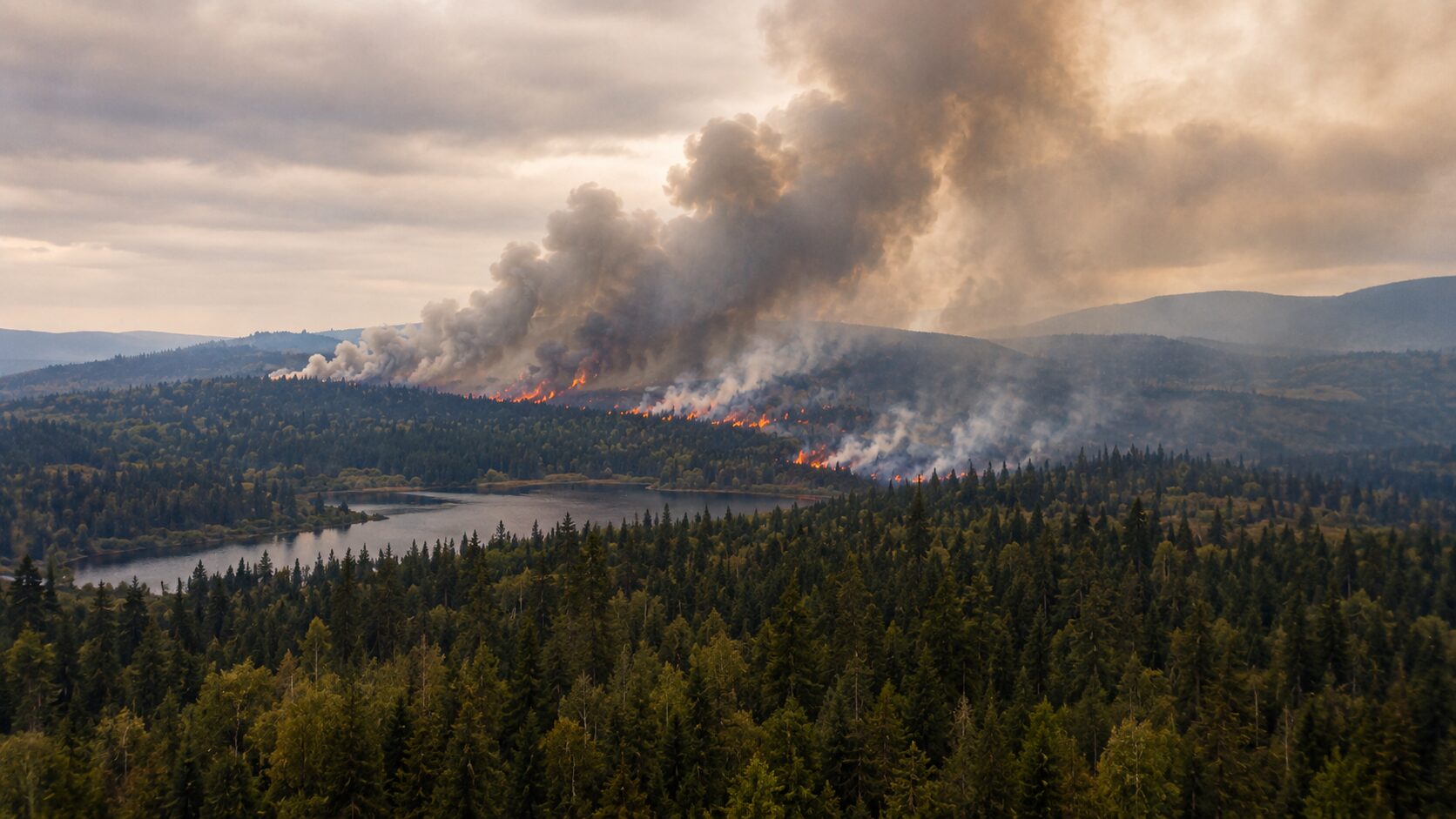
President Donald Trump says he has decided how to respond to Canadian wildfire smoke crossing into the United States—but he has not revealed what that response will be.
Asked Sunday whether he had decided on a “punishment” for Canada over the wildfire smoke, Trump answered: “I have, yeah. You’ll find out about it soon.”
The word “punishment” came from the reporter’s question. Trump agreed that he had reached a decision but did not describe the measure or say that it was connected to the additional 50% tariffs announced against certain Canadian goods on July 20.
Those tariffs have a separately stated trade-policy rationale.
According to a White House fact sheet published July 20, Trump signed three proclamations imposing additional 50% tariffs in response to what his administration calls Canada’s “discriminatory treatment” of American products.
The duties apply to covered Canadian imports, with the White House listing products ranging from wine and hockey sticks to cement. They apply whether or not covered goods qualify as originating products under the Canada–United States–Mexico Agreement.
Energy, potash, products subject to Section 232 tariffs and certain other goods—including some fish and critical minerals—are excluded. The measures are scheduled to take effect August 19, 30 days after they were signed.
The administration’s objections centre on Canadian policies affecting American motor vehicles, alcoholic beverages and dairy products. It argues that those policies disadvantage U.S. exporters relative to competitors from other countries.
Trump’s wildfire dispute with Canada is related to tariffs more broadly, but it has not been identified as the reason for the July 20 measures.
Trump previously said the cost of wildfire smoke reaching the United States should be added to tariffs Canada is already paying. However, a senior administration official told The Washington Post that the additional 50% tariffs announced July 20 were unrelated to Trump’s complaints about the wildfires.
The distinction matters. Trump has openly discussed using tariffs in response to wildfire smoke, meaning a future tariff measure cannot be ruled out. But based on the White House proclamations and the administration’s explanation, the July 20 tariffs were introduced as a response to trade practices—not as Canada’s wildfire “punishment.”
For now, Trump’s promised wildfire response remains undisclosed.