
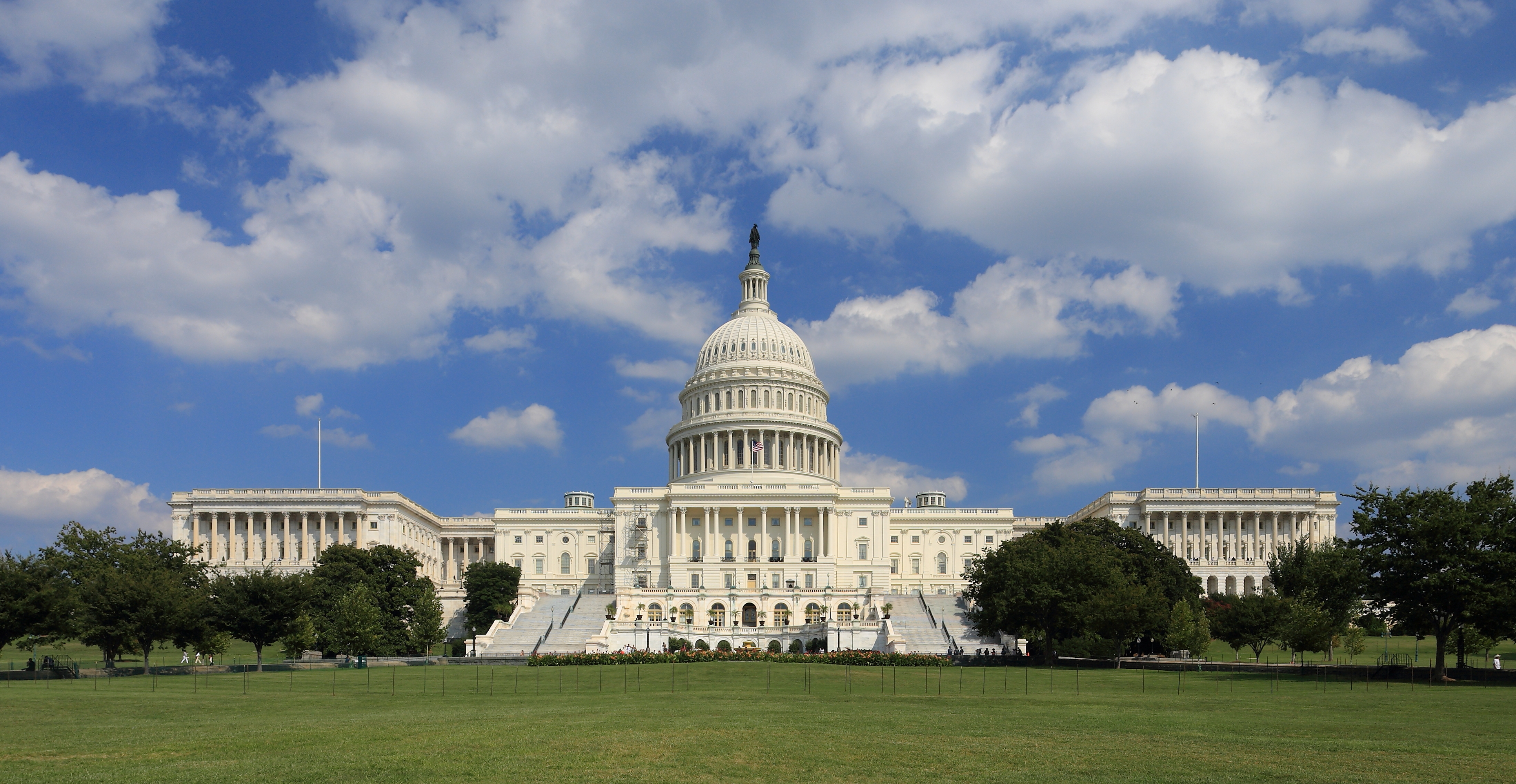
The US Senate has approved a major immigration enforcement funding package that would direct nearly $70 billion in new resources to the Department of Homeland Security. The vote followed an overnight legislative battle that stretched for more than 18 hours and highlighted the growing political clash over border security, executive authority, and federal spending priorities.
An Overnight Senate Fight Ends With a Major Enforcement Win
Senate Republicans secured passage of the immigration enforcement funding bill early Friday after an extended vote-a-rama, a process that allows senators to introduce and debate numerous amendments under reconciliation rules.
The legislation would provide the Department of Homeland Security with nearly $70 billion in additional funding focused on immigration enforcement activities.
The vote represented a significant victory for Republicans, who largely remained united throughout the lengthy session. Only one Republican senator, Lisa Murkowski, voted against the measure.
Supporters argued that agencies responsible for border enforcement require additional resources to carry out their responsibilities. Republican senator Lindsey Graham praised both President Donald Trump and Senate Republicans after the vote, saying the package would ensure that Border Patrol and Immigration and Customs Enforcement receive full funding.
Why the Debate Became About More Than Border Security
The legislative battle expanded beyond immigration policy as Democrats used the vote-a-rama process to challenge several provisions linked to Trump administration priorities.
Democratic leader Chuck Schumer had signaled earlier in the week that Democrats would use amendment votes to force Republicans into publicly defending controversial spending proposals.
Several notable developments emerged during the session:
-
Republicans abandoned a proposal that would have allocated $1 billion for security improvements connected to Trump's White House ballroom project.
-
Schumer introduced an amendment targeting an "anti-weaponization fund" and sought to block the creation of a proposed $1.8 billion fund that critics argued could benefit Trump allies.
-
That amendment narrowly failed in a 49-50 vote.
-
Three Republican senators joined Democrats in supporting the amendment, but the coalition fell one vote short of success.
The close vote underscored lingering divisions within Republican ranks even as the broader immigration package advanced.
The Political Fault Lines Beneath the Funding Package
The debate revealed a deeper disagreement about the role of federal spending and presidential power.
Democrats framed the legislation as evidence that Republican priorities remain closely tied to Trump's political agenda. Schumer argued that the package expanded presidential influence while doing little to address economic concerns facing households.
Republicans, by contrast, presented the measure as a practical response to immigration and border enforcement challenges. Their argument centered on providing operational resources to agencies responsible for immigration control and enforcement.
The clash illustrates a broader pattern in Washington: legislation increasingly serves as a battleground not only over policy outcomes but also over competing narratives about executive authority and government accountability.
Other Political Controversies Emerging Alongside the Vote
The immigration funding vote unfolded amid several separate political developments.
A new report raised additional allegations against Greg Platner, a Democratic Senate candidate in Maine. The report included accusations from a Republican operative involving personal conduct and comments attributed to Platner. He has rejected the allegations.
Meanwhile, President Trump suggested that Bill Pulte, recently appointed as acting director of national intelligence, could examine claims relating to election integrity while serving in the role.
Another issue surfaced during congressional testimony when Pam Bondi told lawmakers that Todd Blanche, who has been selected as her replacement, was directing the Department of Justice's handling of the Jeffrey Epstein files controversy.
Together, these developments added to an already turbulent political news cycle surrounding the Senate vote.
What Happens Next as Immigration Funding Moves Forward
The passage of the funding bill marks an important step for Republican immigration priorities, but political scrutiny is unlikely to fade.
Key issues likely to remain in focus include:
- How the nearly $70 billion allocation will be distributed.
- The operational impact on border and immigration enforcement agencies.
- Continued debate over the proposed $1.8 billion fund.
- Future congressional oversight of spending decisions.
- The broader role of executive authority in implementing immigration policy.
The vote demonstrated that Republicans currently possess enough support to advance major enforcement initiatives, but the narrow margins on several amendments suggest that internal disagreements could continue to shape future legislative battles.