
Key Takeaways
- US consumer prices rose 0.6% in September, while annual inflation increased to 3.7%.
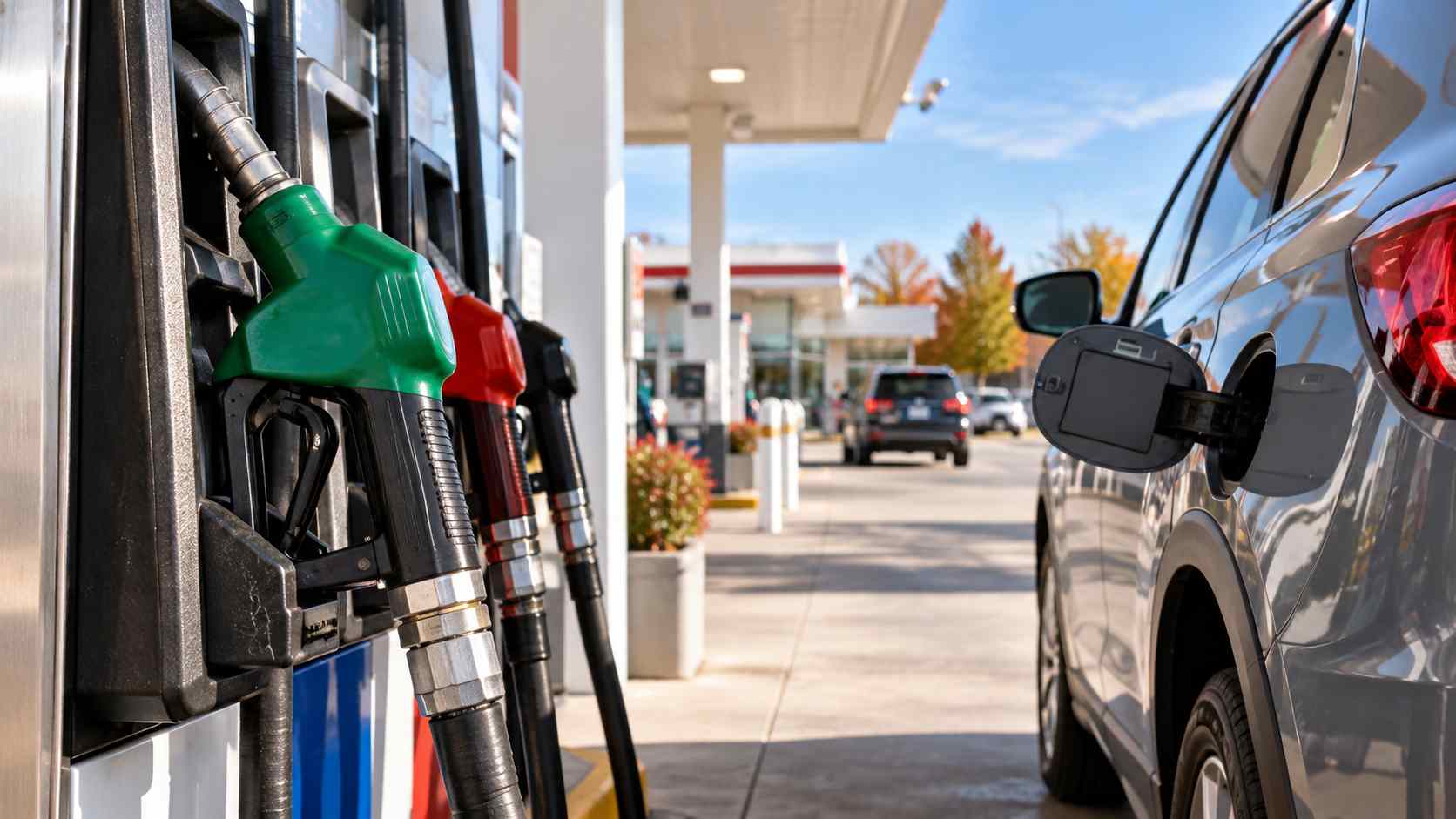
- Gasoline prices jumped 9.1% during the month, accounting for more than half of the monthly CPI increase.
- The Federal Reserve’s October 27–28 meeting is approaching, but a rate increase has not been announced.
US Inflation Jumps as Gasoline Prices Put Fed Rate Decision in Focus
Consumer prices rose in September as gasoline costs increased sharply. The latest figures from the US Bureau of Labor Statistics show the Consumer Price Index increased 0.6% during the month, following a 0.4% rise in August. The 12-month inflation rate was 3.7%, up from 3.4% in August.
Gasoline Drives the Monthly Increase
Gasoline was the biggest contributor to the monthly increase. Prices rose 9.1% during September, accounting for more than half of the overall CPI gain. The broader energy index increased 5.2% after rising 2.1% in August.
Not every category moved higher. The food index was unchanged during the month, while grocery prices fell 0.1%. Food prices away from home increased 0.2%. Grocery prices were still 1.8% higher than a year earlier, and the overall food index was up 2.5% over 12 months.
The index for all items less food and energy rose 0.3% in September, matching its August increase, and rose 2.6% over the 12 months ending in September. The shelter index increased 0.4% during the month, after a 0.3% increase in August.
The figures show energy rising faster than the overall index in September. The energy index was up 20.4% over the 12 months ending in September, while the gasoline index rose 34.2% over the same period.
What It Means for Interest Rates
The September report recorded increases in several categories beyond energy. Recreation rose 0.5%, used cars and trucks increased 0.7%, education rose 0.6%, airline fares increased 1.2%, and apparel rose 0.3% during the month.
The report also showed declines in some categories. The communication index fell 0.2% in September, while prescription-drug prices declined 1.2%.
TwikUp's Perspective
The 9.1% monthly increase in the gasoline index was calculated on a seasonally adjusted basis. Before seasonal adjustment, gasoline prices increased 6.5% in September.
Electricity prices rose 0.2% during the month, while the natural-gas index fell 0.3%. Over 12 months, electricity prices increased 4.4% and natural-gas prices rose 5.0%.
What Comes Next?
Future CPI releases will show whether the September acceleration in the all-items index persists. The September data show that the monthly increase was driven primarily by gasoline, alongside increases in shelter and several other categories.