
Key Takeaways
- French parliamentary records describe a feasibility study into developing a sovereign electromagnetic catapult capability.
- France's future aircraft carrier, France Libre, is being designed around advanced naval aviation systems.
- Cost, development time and technical feasibility will be central considerations in any decision to build a domestic alternative.
France Studies Homegrown Carrier Catapults as US Technology Uncertainty Raises Questions
France is exploring whether it could develop its own electromagnetic aircraft-carrier catapults, a move that could reduce dependence on a critical US-made technology. The issue matters because the launch system is central to operating advanced aircraft from the country's next-generation carrier, France Libre.
Why the Catapult System Matters
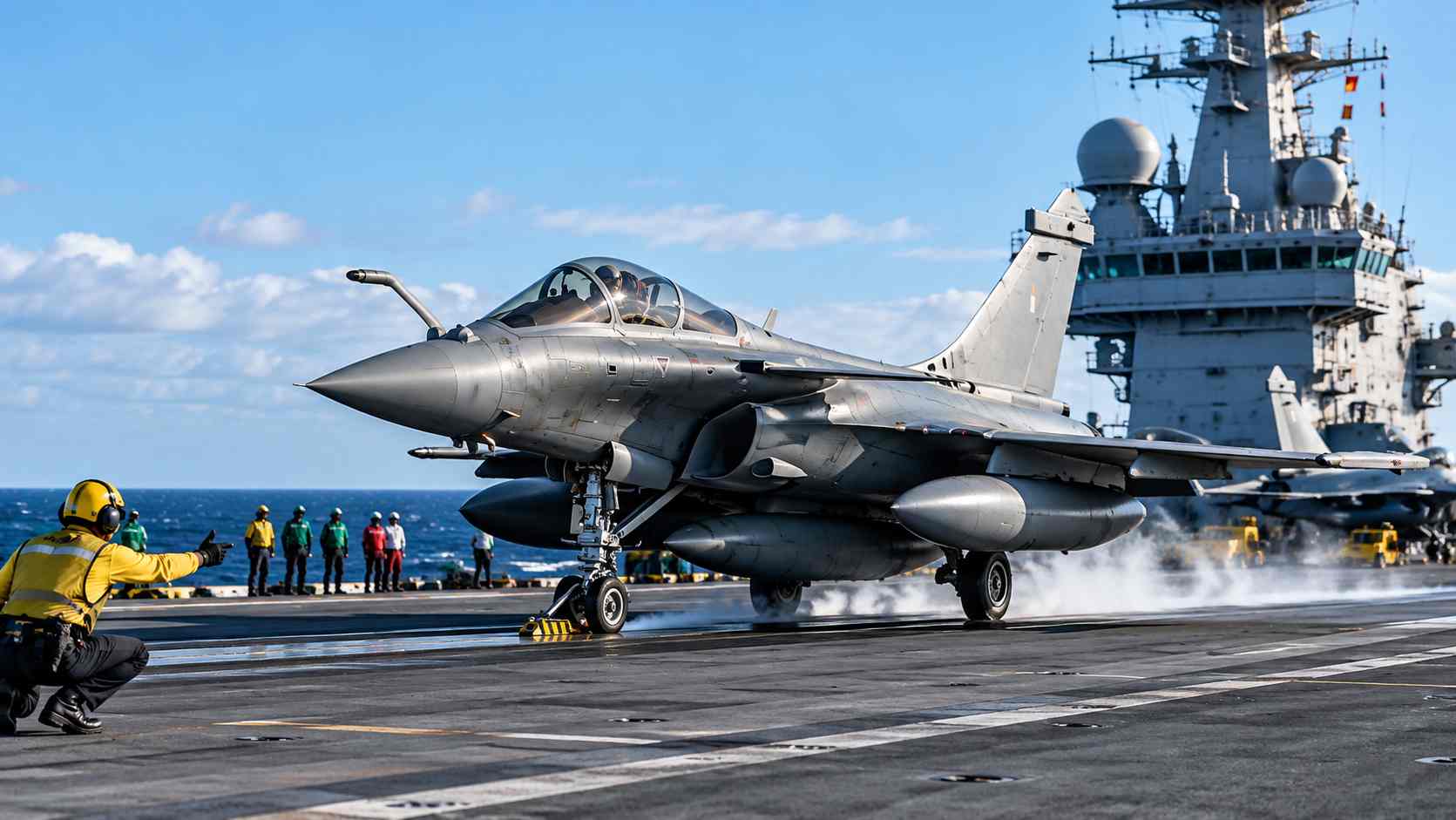
Aircraft carriers need specialised launch systems to send aircraft into the air from relatively short flight decks. Electromagnetic Aircraft Launch Systems, or EMALS, use electromagnetic force rather than traditional steam-powered mechanisms to accelerate aircraft during take-off.
The US Naval Air Systems Command describes EMALS as a system designed to provide greater launch control and accommodate a wider range of aircraft. France has selected electromagnetic launch technology for its future carrier, making continued access to the equipment and associated support important to the programme.
France Examines a Domestic Alternative
French Senate records document consideration of a feasibility study into developing a sovereign electromagnetic catapult capability. The proposed assessment is intended to examine whether France could design such a system, alongside its potential cost and delivery timeline.
The study reflects a broader question for European defence planners: how much critical military equipment should rely on suppliers outside Europe? Domestic development could offer greater control over maintenance and future upgrades, but building a complex launch system would require specialised engineering, testing and substantial investment.
France's future carrier, France Libre, is intended to replace the Charles de Gaulle. Any alternative technology would therefore need to fit the carrier's demanding construction and operational schedule.
TwikUp's Perspective
Strategic independence is not simply a question of manufacturing equipment at home. Governments must weigh the security benefits of controlling critical systems against the cost of duplicating existing technology and the risk of delays. A domestic solution is valuable only if it can meet operational requirements reliably and on time.
What Happens Next?
The feasibility assessment should help clarify the technical challenges, likely costs and possible delivery schedule. Until its conclusions are available, a French-built alternative remains an option under examination, not a confirmed replacement for the selected US technology.