
Key Takeaways
- The Election Commission of India provides online services for checking voter registration, accessing electoral rolls and submitting applications.
- The 2026 Special Intensive Revision, or SIR, appears on the official voter-services portal.
- Claims about the reported October 12 protest and the number of deleted names require further confirmation from official court, election or police records.
India’s Voter-List Revision Faces Scrutiny as Election Transparency Debate Intensifies
India’s electoral rolls determine who can participate in elections, making accurate voter registration essential to democratic representation. The ongoing debate over voter-list revisions has brought renewed attention to how names are verified, removed and restored when eligible citizens believe their records are incorrect.
What the Official Election Portal Shows
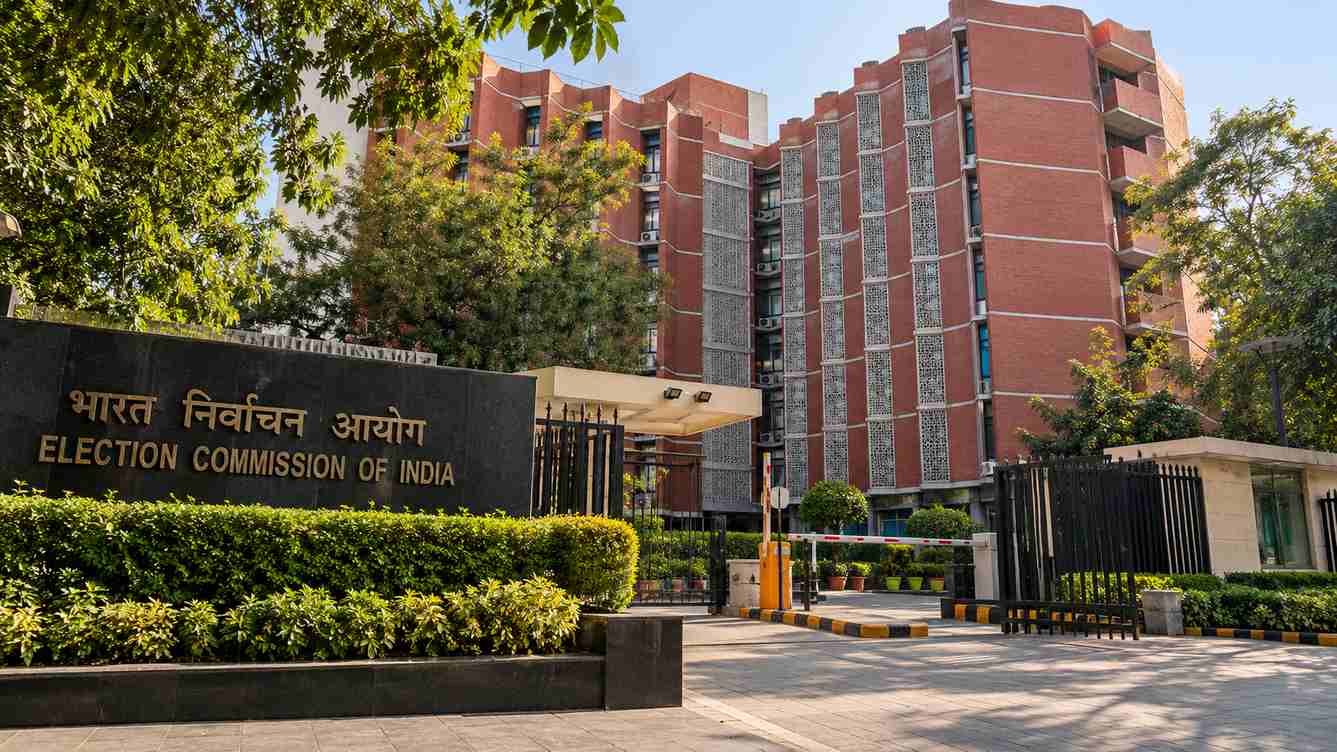
The Election Commission of India’s voter-services portal lists the Special Intensive Revision (SIR) 2026 process. It also provides services for checking names in electoral rolls, downloading available rolls, registering as a new voter and submitting applications to correct or delete entries.
These tools offer a practical route for voters who want to verify their registration rather than rely on unconfirmed claims circulating online.
The portal also provides options to track applications and appeals. Citizens concerned about their status can use these services or contact election officials for guidance on the procedures applicable to their area.
What Remains Unconfirmed
Reports published on October 12 described opposition demonstrators heading towards the Supreme Court over alleged deletions from voter lists. However, the official sources reviewed for this article do not independently establish the reported protest attendance, police detentions or the claim that more than 130 million names were removed.
Those figures should not be presented as confirmed without a relevant Election Commission document, court filing or official police statement. A name missing from a roll also does not, by itself, establish that an eligible voter was wrongly removed. The reason and circumstances must be checked individually.
TwikUp’s Perspective
Electoral transparency depends on more than publishing a final list. Voters need clear explanations of verification decisions, accessible correction procedures and a meaningful way to challenge mistakes before elections.
Official portals can help citizens check their records, but public confidence also depends on timely responses to complaints and transparent reporting of revision outcomes. Independent scrutiny and accurate communication are important when changes to electoral rolls become politically contested.
For now, voters should verify their own registration through official channels, while journalists should distinguish documented figures from allegations and political claims. That approach keeps the focus on the rights of eligible voters and the evidence needed to assess the process fairly.