
Key Takeaways
- The Ministry of Communications says India's satellite communication authorisation framework is fair and non-discriminatory.
- Security assessments were underway for all three relevant satellite communication licensees, according to the October 8 government statement.
- Starlink's 2025 agreement with Reliance Jio was conditional on receiving the necessary Indian authorisations.
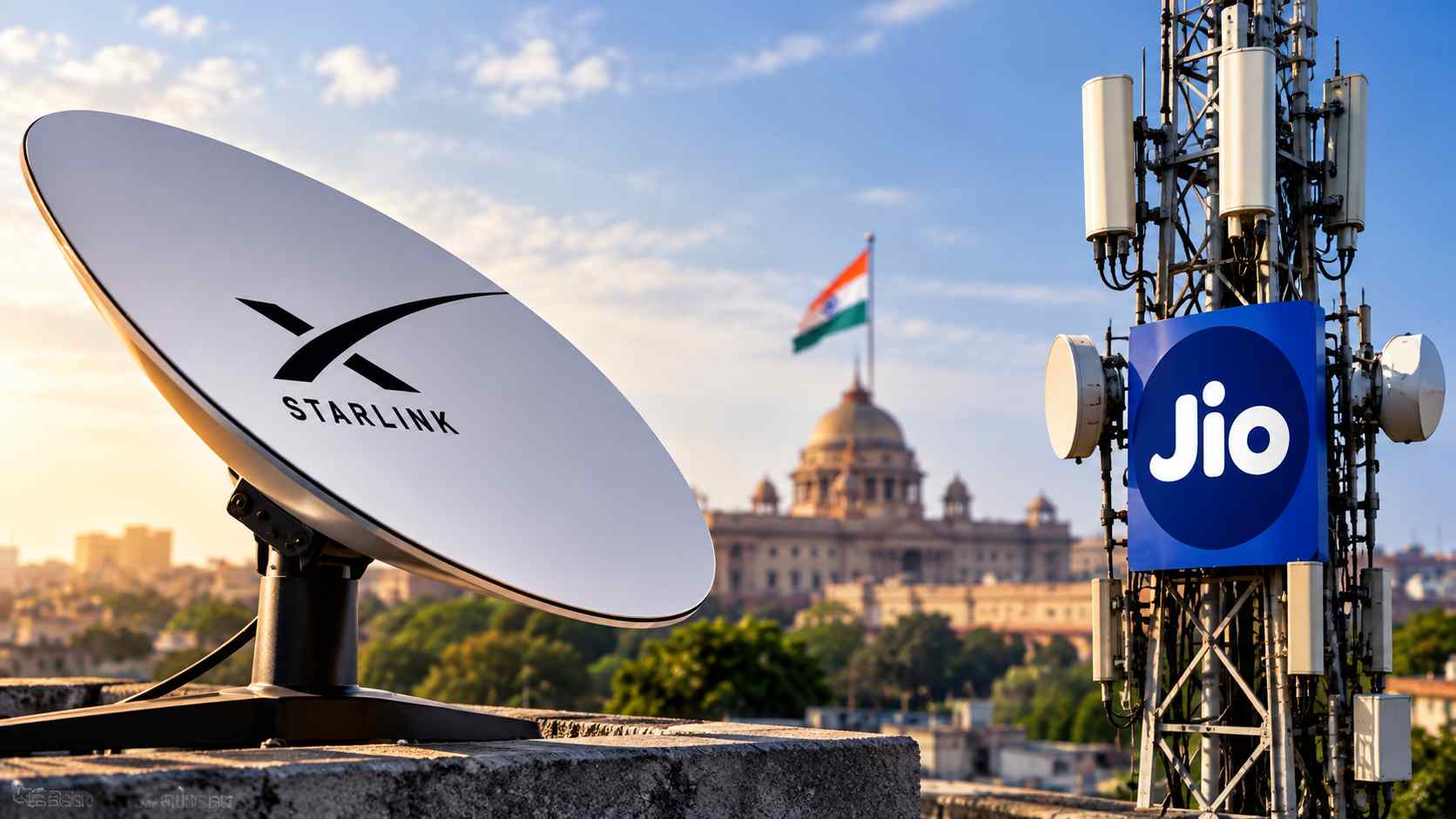
India has pushed back against claims that its satellite internet rules favour established telecom players, putting Starlink’s long-awaited market entry back in the spotlight. The Ministry of Communications says the country’s authorisation framework is fair and non-discriminatory, with security checks applying to all relevant operators.
What the Government Says
In a statement published on October 8, 2026, the Press Information Bureau said three satellite communication licensees using non-geosynchronous satellite orbit systems had received telecom licences. Each must demonstrate compliance with security conditions designed to protect users and their data.
The government said security assessments for all three entities were underway and that they were at broadly the same regulatory stage. Once an entity completes the process, it can proceed to seek spectrum assignment.
The statement did not name Elon Musk or Mukesh Ambani. It responded to social media claims that India’s satellite communication framework was being applied unfairly. Musk’s criticism of the situation and his allegation involving Ambani have been reported separately, but the allegation does not establish political interference.
Starlink and Jio’s Existing Agreement
The market is closely watching because satellite broadband could extend connectivity to remote communities where traditional networks are difficult or expensive to build. In March 2025, Reliance Jio announced an agreement with SpaceX to explore offering Starlink services to customers in India.
That agreement was explicitly subject to SpaceX receiving the required authorisations. Jio said it could offer Starlink equipment through its retail and online channels and support installation and activation, if the necessary approvals were secured.
TwikUp’s Perspective
The key issue is not simply whether satellite internet providers can enter India, but whether the authorisation process is transparent, predictable and consistently applied. Security checks are a legitimate regulatory requirement, yet clear timelines and public explanations can help reduce uncertainty for companies and consumers alike.
For users in remote areas, the practical outcome matters most: whether additional providers eventually deliver reliable service, meaningful choice and competitive pricing. The next important signal will be progress in the security assessments and spectrum process, rather than social media accusations alone.