
Key Takeaways
- The third phase of SIR covers 36.73 crore electors across 16 states and three Union Territories.
- The Election Commission has introduced home-based document collection for certain voters and extended claims-and-objections deadlines in Delhi and Maharashtra.
- Opposition parties have alleged voter exclusion and demanded accountability from Chief Election Commissioner Gyanesh Kumar, while the Election Commission has defended the SIR process.
India’s Voter Roll Revision Becomes a Political Flashpoint
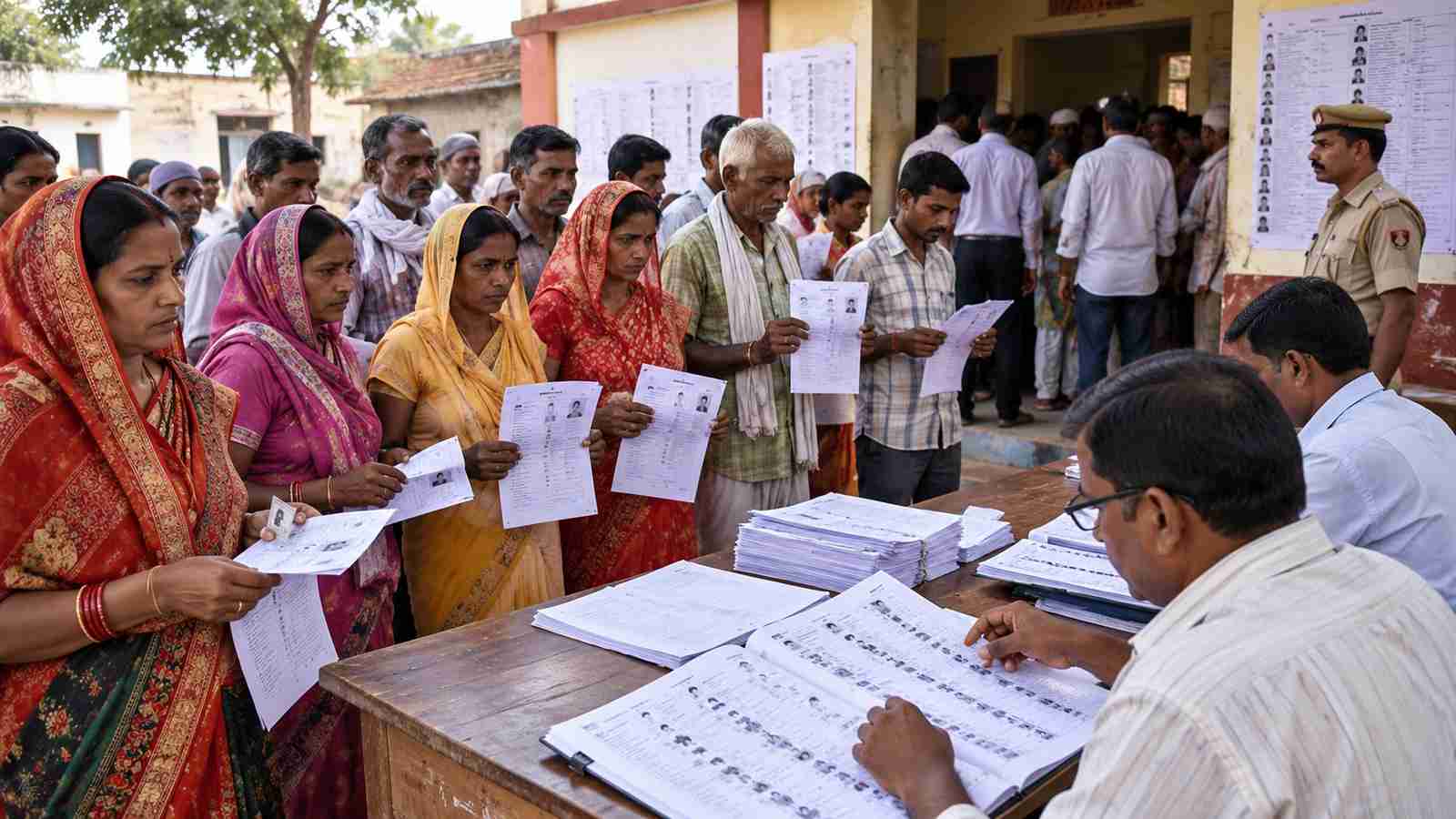
India’s voter-roll revision has moved from an administrative exercise into a major political flashpoint. Opposition parties are demanding accountability from the Election Commission, while official records confirm that the Special Intensive Revision (SIR) is continuing across multiple states and Union Territories.
A Revision Covering Crores of Voters
The scale of Phase III is substantial. The Election Commission says the exercise covers 16 states and three Union Territories, with 36.73 crore electors included in the enumeration process.
More than 3.94 lakh Booth Level Officers are assigned to conduct house-to-house visits, with 3.42 lakh Booth Level Agents appointed by political parties involved during enumeration. The Commission describes SIR as a participative process involving voters, political parties and election officials.
What Happens When a Record Needs Verification?
The Commission has also adjusted how certain disputed records are handled. Voters who receive notices because their records are classified as unmapped or showing logical discrepancies can have Booth Level Officers visit their homes to collect documents.
Those documents are uploaded to ECINet for consideration by the Electoral Registration Officer. Such voters generally do not need to attend an in-person hearing unless the ERO considers it necessary. Help desks and special camps are also planned for people who may need additional assistance.
Deadlines Extended in Delhi and Maharashtra
The Commission extended Delhi’s claims-and-objections deadline to October 30, 2026. In Maharashtra, the deadline was extended to October 12, giving voters additional time to raise concerns about their electoral records.
Why Has SIR Become So Political?
Opposition parties have alleged that the voter-roll revision could exclude eligible voters and have demanded the resignation of Chief Election Commissioner Gyanesh Kumar. These remain political allegations, while the Election Commission has defended the process and said its SIR decisions received unanimous approval.
TwikUp’s Perspective
The central challenge is not only completing a huge verification exercise but maintaining public confidence while it happens. Clear notices, accessible assistance and transparent grievance procedures can make the difference between a technical revision and a process voters genuinely trust.