
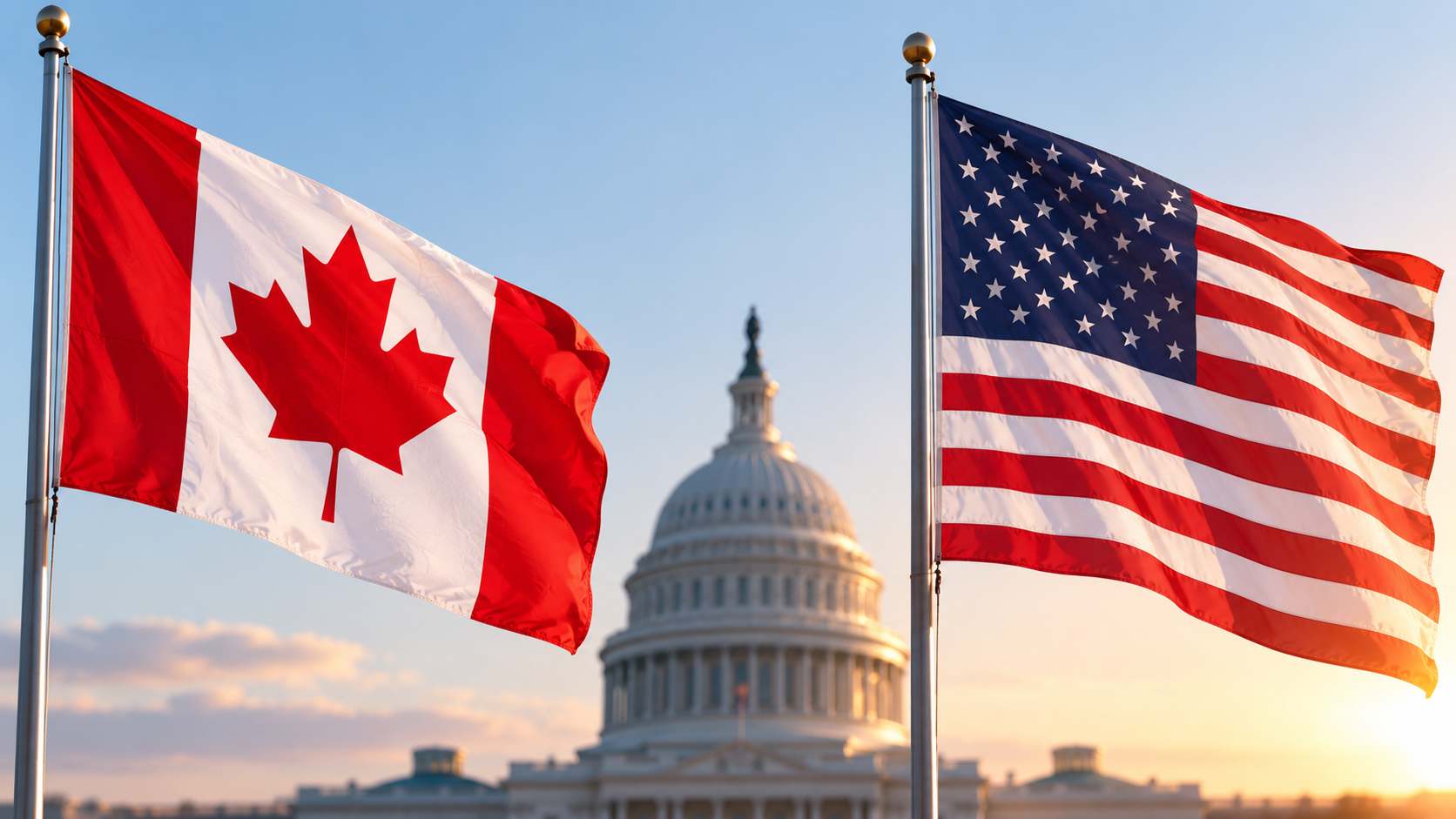
Canada-U.S. Trade Dispute Escalates
The Government of Canada said its counter-tariffs took effect on September 8 and cover products worth approximately C$27.6 billion in imports from the United States.
The measures include tariff rates of 15%, 25% and 50% on selected products, with affected sectors including steel, dairy, appliances, agricultural equipment, pulp and paper and electronics.
The Canadian government said the measures were designed to match U.S. tariffs on Canadian products.
The White House, meanwhile, said President Donald Trump responded to Canada's latest retaliation by signing measures that included import bans on certain Canadian products and changes to the scope of existing tariffs.
Republican Candidates Face Different Trade Positions
The tariff dispute has produced different public positions among Republican candidates in states that have close economic connections with Canada.
In Maine, Republican Senator Susan Collins has urged the Trump administration to resume negotiations with Canada.
Collins has warned that tariffs and Canada's retaliatory measures could increase costs and uncertainty for Maine families, businesses and communities.
She has also highlighted Maine's close economic relationship with Canada, including the state's long border and dependence on cross-border trade.
Mike Rogers Supports Tariffs but Wants a Canada Deal
In Michigan, Republican Senate candidate Mike Rogers has taken a different position.
Rogers has said he supports Trump's America First trade approach and described tariffs as necessary, while also saying they should not be treated as a one-size-fits-all solution.
He has said he would work toward a trade agreement with Canada that supports Michigan farmers, autoworkers and manufacturers.
Michigan has major automotive and manufacturing ties with Canada, making trade policy an important issue for businesses and workers in the state.
What Is Happening With the Tariffs?
The United States has continued to use Section 338 of the Tariff Act of 1930 as part of its response to Canada's trade measures.
The White House said some Canadian products will face import bans beginning September 29, while other products have been added to or removed from the scope of existing tariffs.
Canada's counter-tariffs that took effect on September 8 cover a range of American products and are intended to match the value of U.S. tariffs on Canadian goods.
Why Border States Matter
States such as Maine and Michigan have extensive economic links with Canada.
Businesses in these states can be affected by changes in tariffs, supply chains and cross-border trade. Industries ranging from agriculture and manufacturing to transportation and retail can have direct or indirect exposure to changes in Canada-U.S. trade rules.
For candidates campaigning in these states, the dispute provides a policy issue involving both international trade and domestic economic concerns.
Two Different Republican Messages
The positions of Collins and Rogers illustrate two documented approaches within the Republican Party.
Collins has publicly emphasized negotiations with Canada and warned about the potential economic consequences of tariffs for Maine.
Rogers has supported Trump's broader tariff strategy while also calling for a negotiated trade agreement focused on Michigan's economic interests.
Neither position changes the tariffs currently in force, but the differing messages show how individual Republican candidates are addressing the same Canada trade dispute.
What Happens Next?
The Canada-U.S. trade relationship remains subject to further negotiations and policy decisions from both governments.
The White House has indicated that its latest measures are intended to respond to Canada's retaliation, while the Canadian government has maintained its counter-tariff measures.
For voters and businesses in northern border states, the ongoing dispute means tariffs and Canada-U.S. trade policy will remain closely connected to discussions about prices, jobs, manufacturing and cross-border commerce.