
Key Takeaways
- China’s Ministry of Transport identifies LOGINK as a national logistics information platform designed to support information sharing.
- Official records document LOGINK’s role in sharing shipping and container information through the Northeast Asia Logistics Information Service Network.
- Chinese government sources reviewed do not independently confirm recent reports about stalled international partnerships or an operational retreat.
LOGINK’s Strategic Role in China’s Logistics Network
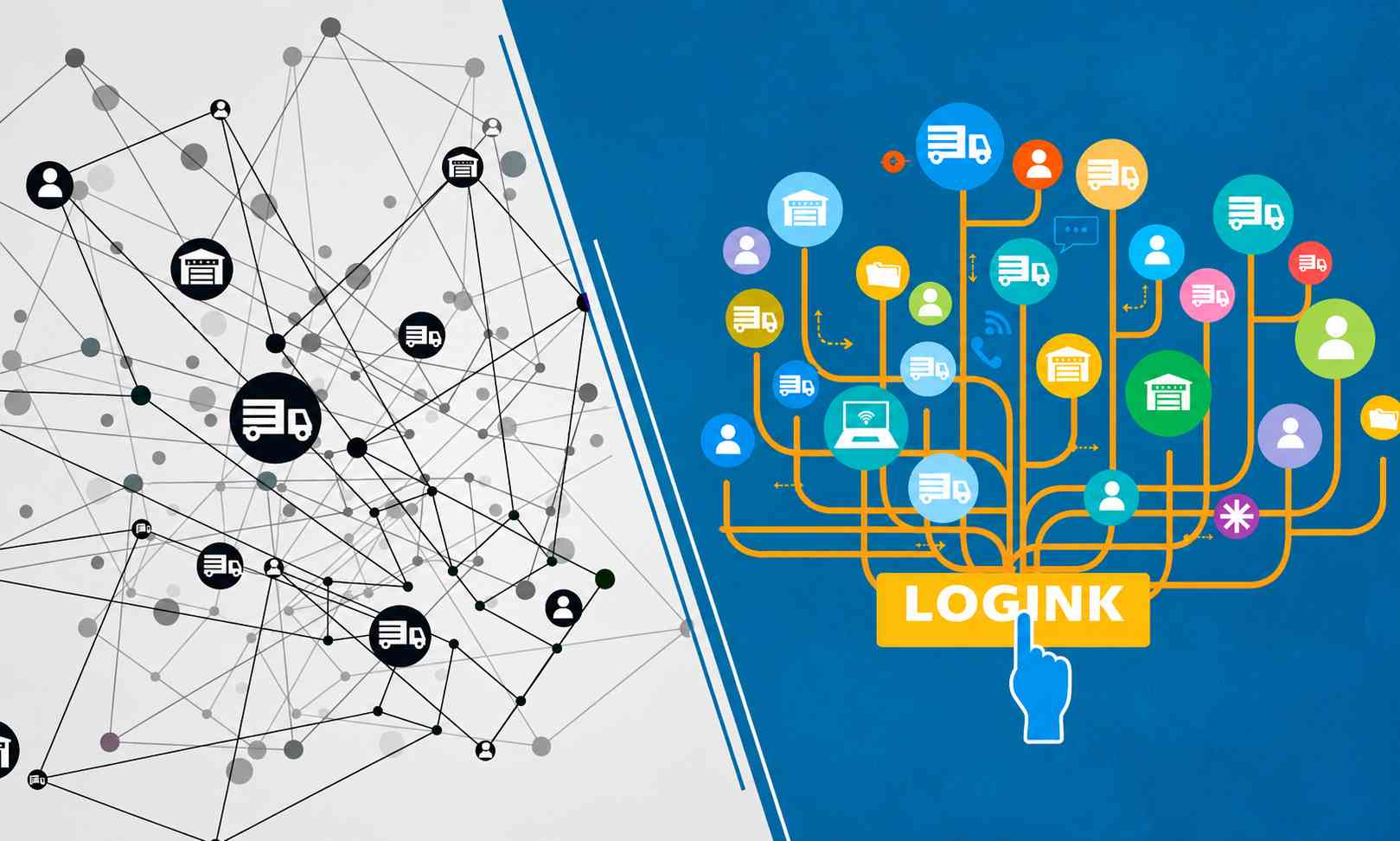
China’s LOGINK platform is back in focus as questions grow over its international reach. Official Chinese records show that the National Transportation Logistics Public Information Platform was developed to improve logistics information sharing across transport modes, regions and borders.
What Official Records Confirm
China’s Ministry of Transport describes the platform as part of efforts to integrate logistics information and improve data exchange. Government material says LOGINK supported information sharing between transportation systems and helped connect logistics data across different regions.
An official Ministry of Transport document also records LOGINK’s role through the Northeast Asia Logistics Information Service Network, or NEAL-NET. The network enabled container-ship and container-status information to be shared among major ports in China, Japan and South Korea.
These records establish LOGINK as a government-backed logistics information initiative with an international data-sharing function.
What Has Not Been Confirmed
Recent reporting has raised questions about whether LOGINK’s overseas partnerships and international operations have weakened or stalled. However, the official Chinese sources reviewed for this article do not confirm claims about collapsed deals, unpaid bills, abandoned offices or a withdrawal from an international organisation.
That distinction matters because the available government documentation mainly describes LOGINK’s purpose and historical development rather than its current commercial or overseas operating status.
Why LOGINK Matters
Logistics platforms can connect information from ports, carriers, customs systems and other transport services, potentially making supply chains easier to track and coordinate. China’s transport authorities have repeatedly promoted information sharing and digitalisation as part of efforts to improve logistics efficiency.
TwikUp’s Perspective
LOGINK’s significance goes beyond whether one platform is currently expanding or contracting overseas. Its development reflects a broader shift toward digital infrastructure becoming part of international trade and supply-chain coordination.
For businesses and governments, the key issue is not simply whether LOGINK remains active abroad, but how logistics data is shared, governed and trusted across borders. Until Chinese authorities publish evidence addressing the latest operational claims, those developments should be treated as reported rather than officially established.