
Key Takeaways
- Zelenskyy said Russian drone attacks continued after Trump announced an energy ceasefire.
- Ukraine says it is prepared to stop attacks on Russian energy infrastructure if Russia reciprocates.
- The White House’s separate diesel-tax relief order does not confirm a Russian diesel-supply agreement.
Ukraine Questions Whether the Energy Ceasefire Can Hold
A proposed energy ceasefire between Russia and Ukraine faces an immediate test: whether announcements can translate into fewer attacks on critical infrastructure. Ukrainian President Volodymyr Zelenskyy says strikes continued after US President Donald Trump announced that an agreement had been secured.
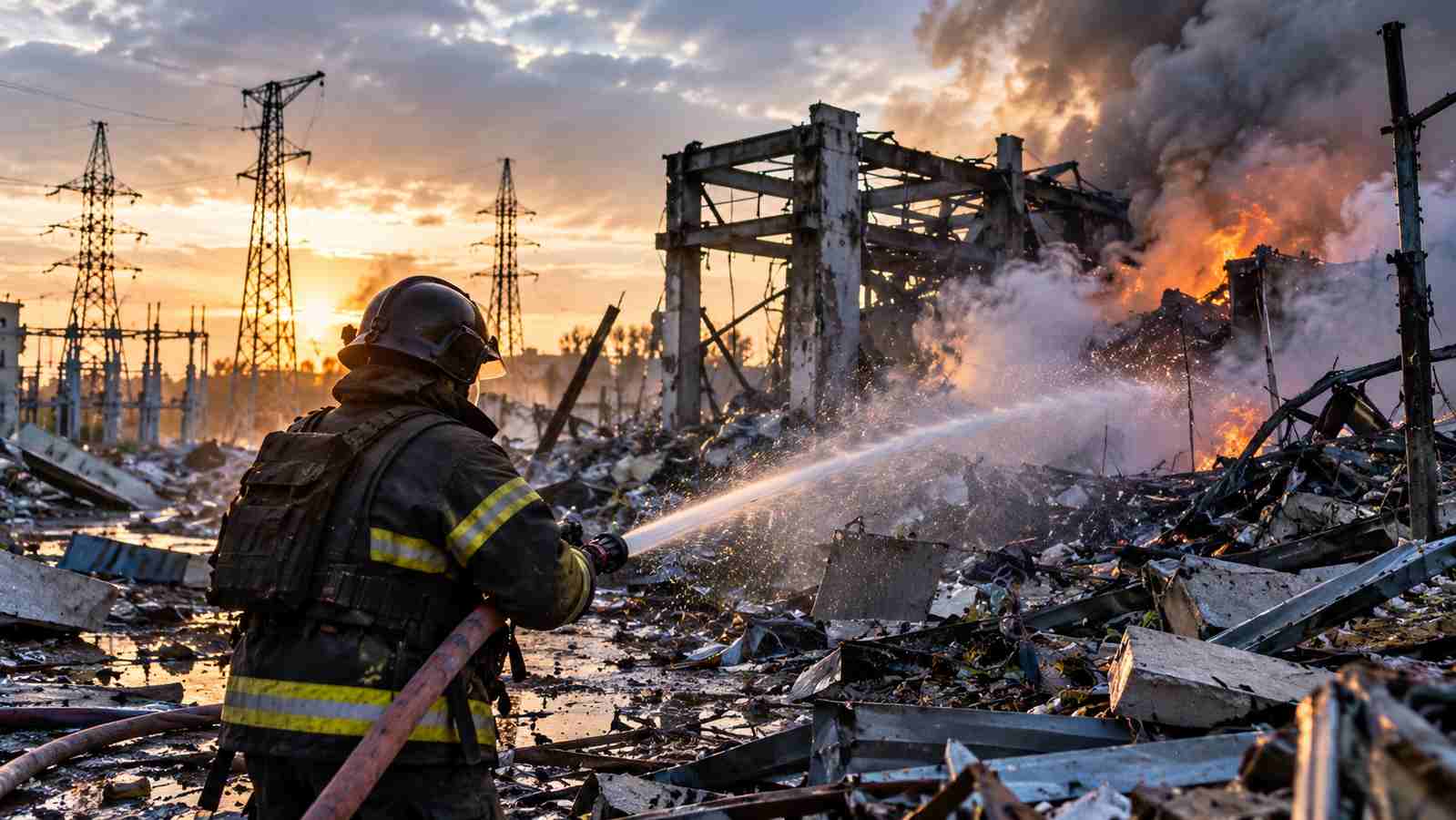
In an address to the Warsaw Security Forum on October 12, Zelenskyy reported attacks involving Russian drones, including strikes affecting energy facilities in Kyiv and Kharkiv. These details come from the Ukrainian presidency and have not been independently established here.
Kyiv Calls for Stronger International Pressure
Zelenskyy urged the United States and European countries to increase pressure on Moscow to create conditions for a genuine ceasefire. He said Ukraine was willing to stop strikes against Russian energy infrastructure if Russia agreed to do the same.
According to his statement, Russian drones also struck a gas-production facility and a petrol station in Ukraine. Zelenskyy said repair crews were working to address damage from earlier attacks and that Ukraine was waiting for details of the discussions between Washington and Moscow.
The Ukrainian president argued that the arrangement could become a step towards ending the wider war if both sides respected it and the United States helped ensure compliance.
What About Trump’s Diesel Measures?
The White House separately announced diesel-related relief on October 5. Executive Order 14435 directs federal agencies to pursue temporary tax-payment deferrals and related relief intended to ease costs for farmers, truckers and other workers.
That order concerns domestic fuel-tax measures. It does not independently establish the reported agreement to supply American markets with Russian diesel, so the two developments should not be confused.
TwikUp's Perspective
The central question is enforcement. An energy ceasefire would need clear terms, reliable communication and a way to assess alleged violations. Without those elements, competing accounts can make it difficult to establish whether either side is complying.
For households, the stakes extend beyond diplomacy. Damage to power facilities and gas infrastructure can disrupt essential services and increase pressure on repair teams as colder weather approaches.
What Comes Next?
Further official statements from Washington, Kyiv and Moscow will be important for determining whether reciprocal commitments emerge and whether attacks decrease. Until then, the ceasefire should be treated as an announced initiative whose implementation remains uncertain.