
Key Takeaways
- Zelenskyy said Ukraine sees no signals that Russia is ready to end the war.
- Ukraine says winter preparations require energy assistance, air defence and financial support.
- European leaders reaffirmed support for Ukraine and called for pressure on Russia to pursue a genuine ceasefire.
Zelenskyy Challenges Russia’s Peace Signals as Ukraine Seeks Critical European Support
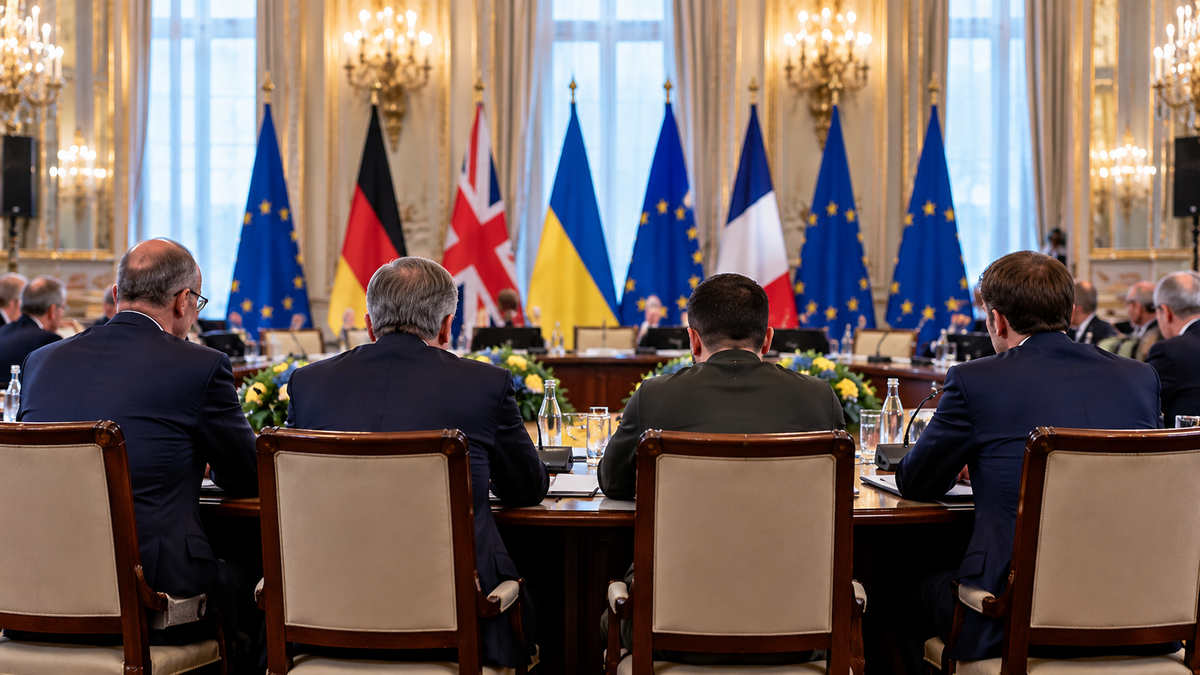
Can peace negotiations move forward when one side says it sees no genuine willingness to end the war? That question took centre stage as Ukrainian President Volodymyr Zelenskyy met European leaders in Brussels on October 16, 2026.
Zelenskyy Questions Moscow’s Intentions
According to the official website of Ukraine’s president, Zelenskyy met European Council President António Costa and European Commission President Ursula von der Leyen during the summit.
Zelenskyy said Ukraine wanted to end the war as soon as possible but had seen no signals from Russia indicating readiness to do so. He argued that preparations for winter must cover more than energy supplies, including air defence and financing.
The Ukrainian president also briefed European leaders on Russian strikes targeting energy infrastructure and Ukrainian communities. His remarks placed immediate security needs alongside the broader challenge of finding a diplomatic path forward.
Europe Faces a Critical Support Decision
The European Council’s October 15-16 summit agenda included continued assistance for Ukraine, particularly the operational needs of critical infrastructure ahead of winter.
Council President António Costa reiterated that European Union support remained strong. He called for increased pressure on Russia to bring it to negotiations and accept a genuine ceasefire.
For Ukraine, the timing matters. Damage to energy infrastructure can make colder months more difficult for households and essential services, while air defence remains important for protecting cities and critical facilities.
The Diesel Dispute Needs Careful Verification
The political row over US diesel policy requires a distinction between confirmed documents and disputed interpretations. The White House announced temporary diesel-tax relief in October 2026, but that announcement does not establish a diesel agreement with Russia.
Without an official document confirming the specific arrangement described in media reports, claims about money directly benefiting the Russian government should not be treated as independently verified fact.
TwikUp’s Perspective
Diplomatic language matters, but measurable commitments matter more. European support will be judged by whether funding, defensive equipment and energy assistance arrive when needed. Meanwhile, any proposed peace process will face scrutiny over concrete terms, enforcement and whether both sides demonstrate a willingness to stop the fighting.
The coming winter could therefore test both Europe’s ability to sustain assistance and the credibility of diplomatic efforts. Public statements alone will not settle either question.