
Key Takeaways
- Ukraine introduced Starlink terminal verification measures in coordination with SpaceX to address security concerns.
- President Volodymyr Zelenskyy linked Starlink operational restrictions to additional challenges during Russian attacks.
- An official White House transcript confirming Trump’s reported denial was not located during verification.
Ukraine’s Starlink Disruptions Raise Military Communication Concerns and Accountability Questions
When battlefield communications become unreliable, the consequences can extend far beyond slower internet. Ukraine’s reliance on satellite connectivity has placed Starlink restrictions under scrutiny as the country continues defending against Russian attacks and protecting critical infrastructure.
Why Starlink Matters to Ukraine
On October 15, 2026, Ukrainian President Volodymyr Zelenskyy said restrictions affecting Starlink operations were creating additional challenges during Russia’s attacks. Following meetings in Brussels, he emphasized the importance of continued defence supplies and stronger protection against aerial threats.
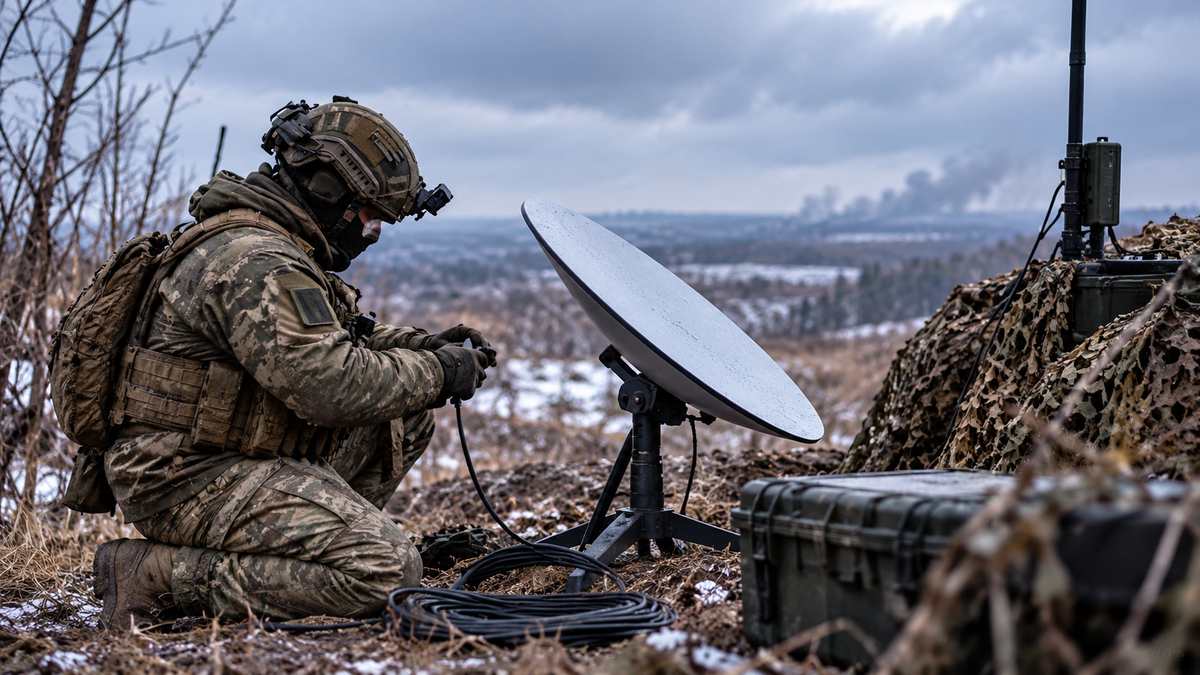
Satellite connectivity has become an important communications tool for Ukraine’s military and civilian users. Interruptions can complicate coordination, particularly in areas where conventional networks have been damaged or are difficult to maintain.
However, the precise extent of any military disruption described in recent reporting has not been independently established through the official sources reviewed for this article.
Understanding the Restrictions
Ukraine’s Ministry of Defence announced a Starlink terminal verification system in February 2026, developed in coordination with SpaceX. The initiative followed concerns about Russian forces using commercially available satellite terminals, including on drones.
Starlink’s own guidance explains that the Ukrainian government controls terminal authorization. Unverified terminals operating in Ukraine can be disabled until they meet the country’s requirements.
This distinction matters. The official documentation describes a government-led verification process, rather than confirming that every reported service interruption resulted from a new political order or a decision personally made by Elon Musk.
Trump’s Reported Response
Reuters reported on October 16 that US President Donald Trump denied believing that he or Musk was responsible for Ukraine’s loss of Starlink access. However, an official White House transcript or recording confirming those exact remarks could not be located during verification.
The statement should therefore remain attributed to the report until a primary record becomes available.
TwikUp’s Perspective
The broader issue is the vulnerability created when essential communications depend heavily on privately operated technology. Verification systems may address security threats, but clear procedures and dependable access are also important for legitimate users.
For Ukraine, the priority is maintaining secure, resilient communications while preventing Russian forces from exploiting the same technology. Accountability questions will require evidence about specific decisions, their timing and their operational consequences, rather than assumptions based on the identity of the service provider.