
Key Takeaways
- Ukraine said Russia launched 170 drones, with 147 destroyed or suppressed; strikes were recorded at 18 locations.
- Russia said it targeted logistics, port, transport and communications infrastructure, though the claims were not independently verified.
- Both sides are increasingly targeting supply-chain infrastructure, extending risks beyond frontline areas.
Russia Launches Overnight Drone Strikes Across Ukraine, Targeting Ports and Logistics
Russia launched a large overnight drone attack across Ukraine, with Moscow saying it targeted logistics centres, port and transport infrastructure, communications facilities and vessels it claimed were connected to Ukraine’s military.
Ukraine’s military said Russia launched 170 drones beginning on the evening of September 26, including Shahed-type and jet-powered drones. Ukrainian forces said 147 were destroyed or suppressed, while strikes were recorded at 18 locations.
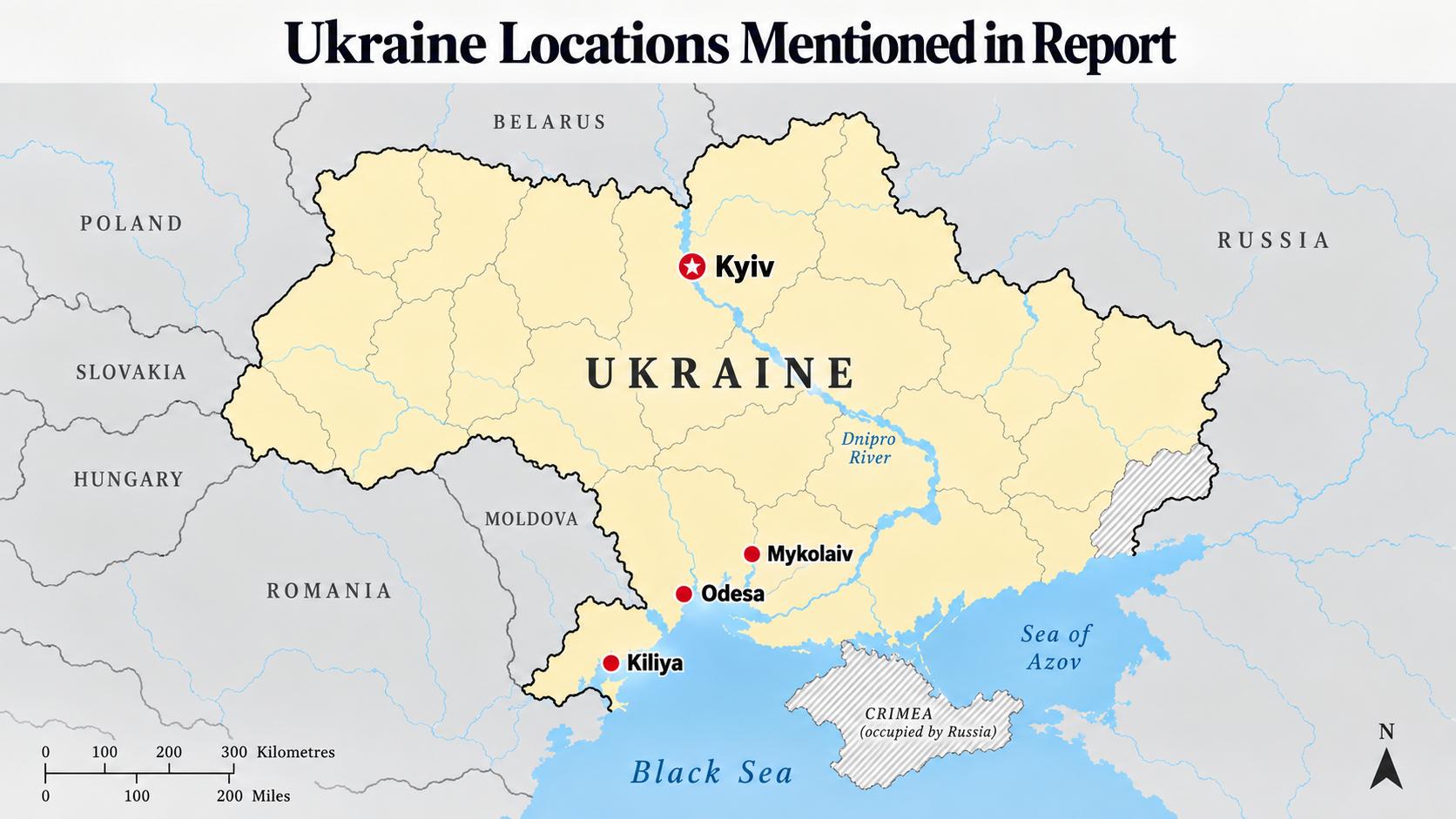
Russia’s Defence Ministry said its targets included facilities in the Kyiv, Odesa and Mykolaiv regions, as well as infrastructure around Ukrainian ports. Moscow also claimed it struck a vessel heading toward Odesa carrying military and dual-use cargo.
Those descriptions are Russian government claims, and the military nature of all reported targets has not been independently verified.
The latest attack highlights how the war is increasingly extending beyond the front line. Ports, warehouses, communications systems and transportation hubs have become important targets because they support the movement of equipment, fuel and supplies.
Ukraine also said its forces carried out strikes against Russian military infrastructure, including drone-launch facilities, ammunition depots, logistics sites and fuel storage.
TwikUp Analysis
The drone war is increasingly becoming a battle over supply chains.
Instead of focusing only on frontline positions, both sides are trying to disrupt the infrastructure that keeps military operations running. That means ports, fuel depots, logistics hubs and communications systems can become strategically important targets hundreds of kilometres from active ground fighting.
For civilians, the shift also means regions far from the front can remain exposed to repeated air-raid alerts, infrastructure damage and falling drone debris.