
Key Takeaways
- G7 foreign ministers, including Canada's Anita Anand, closed their Paris meeting with a joint statement backing Ukraine's air defence and winter energy needs.
- The statement also addresses Ukraine's 2027 financing needs and notes US$2.5 billion mobilised by the G7 for the Middle East crisis in 2026.
- The meeting ran November 9–10 under the French G7 Presidency.
What the G7 Committed to in Paris
Two days of talks in Paris ended with the G7's foreign ministers — Canada's Anita Anand among them — issuing a joint statement that puts Ukraine's winter at its centre: more support for air defence, help keeping the country's energy system running through the cold months, and attention to Kyiv's financing needs for 2027.
The meeting, held November 9–10 under the French G7 Presidency, was the bloc's set-piece foreign-policy gathering of the autumn. The statement reaffirms the G7's support for Ukraine as Russia's war continues, with air defence and winter energy support named as the urgent priorities heading into the season when Ukraine's grid is most vulnerable.
Beyond Ukraine
The statement also covers the Middle East and food security, noting that the G7 has mobilised US$2.5 billion for the Middle East crisis in 2026.
The Twikup Take
Joint statements are easy to skim past, but the specifics here — air defence, winter energy, 2027 financing — are the three pressure points Ukraine itself keeps naming. Whether the money and missiles follow the communiqué is the story to watch into December.
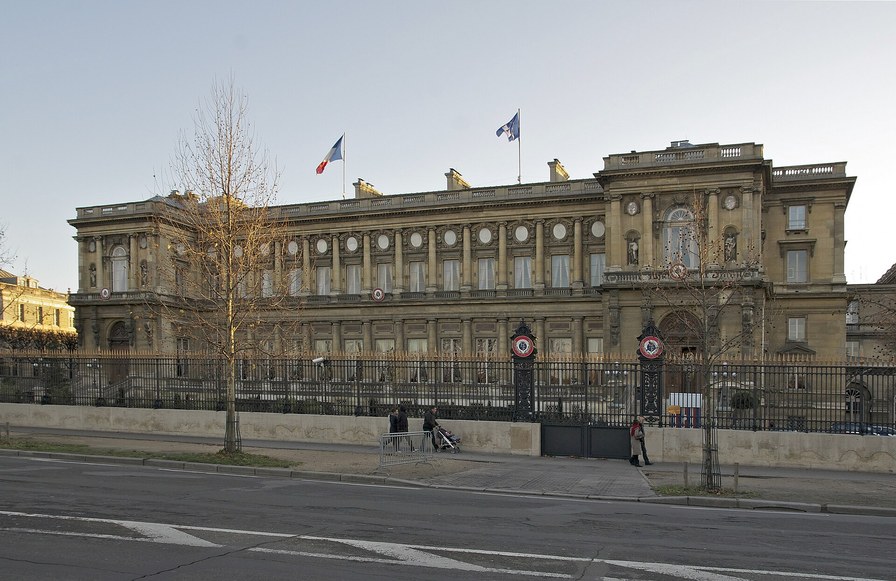
Image: The french Ministry of Foreign and European Affairs, facade quai d'Orsay, Paris. Photo by Jebulon, CC0.