
Key Takeaways
- Ukraine announced a localized ceasefire beginning October 27 to support a humanitarian operation in Oleshky.
- The operation aims to deliver essential supplies and prepare safe, voluntary evacuation options for civilians.
- Ukrainian officials reported that Russian forces were observing the ceasefire on the morning of October 27, but the humanitarian operation’s success remains crucial.
Oleshky Ceasefire Opens a Narrow Window for Relief
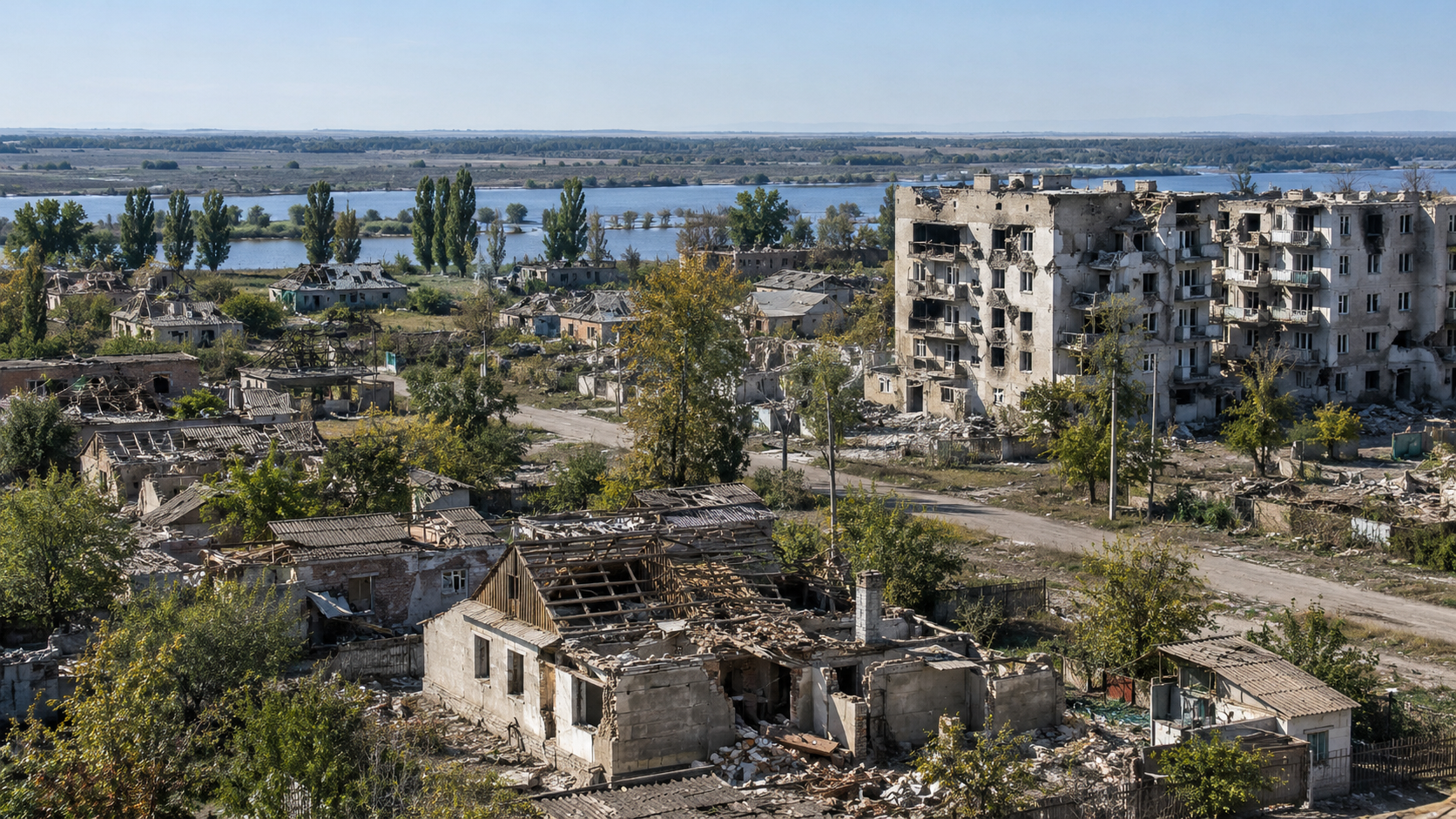
A fragile pause in fighting has created an opportunity to reach civilians trapped in Oleshky, a Russian-occupied town in Ukraine’s Kherson region. After years of occupation and reports of severe shortages, the immediate priority is getting people essential supplies and a safe way out.
What the Ceasefire Is Intended to Achieve
Ukraine’s General Staff announced a localized ceasefire beginning at 3 a.m. Kyiv time on October 27. The designated pause is intended to support a humanitarian operation, deliver assistance to residents and prepare for the safe movement of civilians who wish to leave.
The White House announced the agreement on October 23, saying hostilities would be temporarily suspended in Oleshky to facilitate humanitarian deliveries and prepare an evacuation corridor. Pope Leo XIV had also raised concerns about the town’s humanitarian situation in calls with the Russian and Ukrainian presidents, urging food and medical assistance and safe, voluntary evacuation.
The arrangement applies to a specific area. It is not a nationwide ceasefire or an end to the wider war.
Early Reports and the Challenges Ahead
On October 27, Ukraine’s Marine Corps reported that Russian forces were observing the ceasefire in the designated area as of 9 a.m. Ukrainian officials also said the humanitarian mission had begun, with the country’s parliamentary human rights commissioner involved in coordinating the process.
That early assessment offers a measure of hope, but it does not establish that all residents have received aid or that evacuations have been completed. Conditions on the ground and access to safe routes remain critical.
TwikUp's Perspective
A ceasefire matters most when it produces tangible protection for civilians. For Oleshky’s residents, the measure of success will not be diplomatic announcements alone, but whether food, medicine and clean water reach people who need them, and whether those wishing to leave can do so voluntarily and safely.
Humanitarian access must also be sustained beyond the first hours of a pause. Independent confirmation of aid deliveries, evacuation numbers and any reported violations will be essential to understanding whether this temporary arrangement brings lasting relief.
For now, the ceasefire offers a limited opening in a prolonged crisis. Its value will depend on what reaches civilians next.