
Key Takeaways
- SpaceX has disclosed an agreement to acquire low-band spectrum that could support its broader wireless ambitions.
- The reported discussions involving at least 80,000 cell sites have not been independently confirmed by the official sources reviewed.
- Established carriers and tower operators could face new opportunities or competitive pressures as satellite and mobile networks evolve.
SpaceX Pushes Further Into Wireless Connectivity
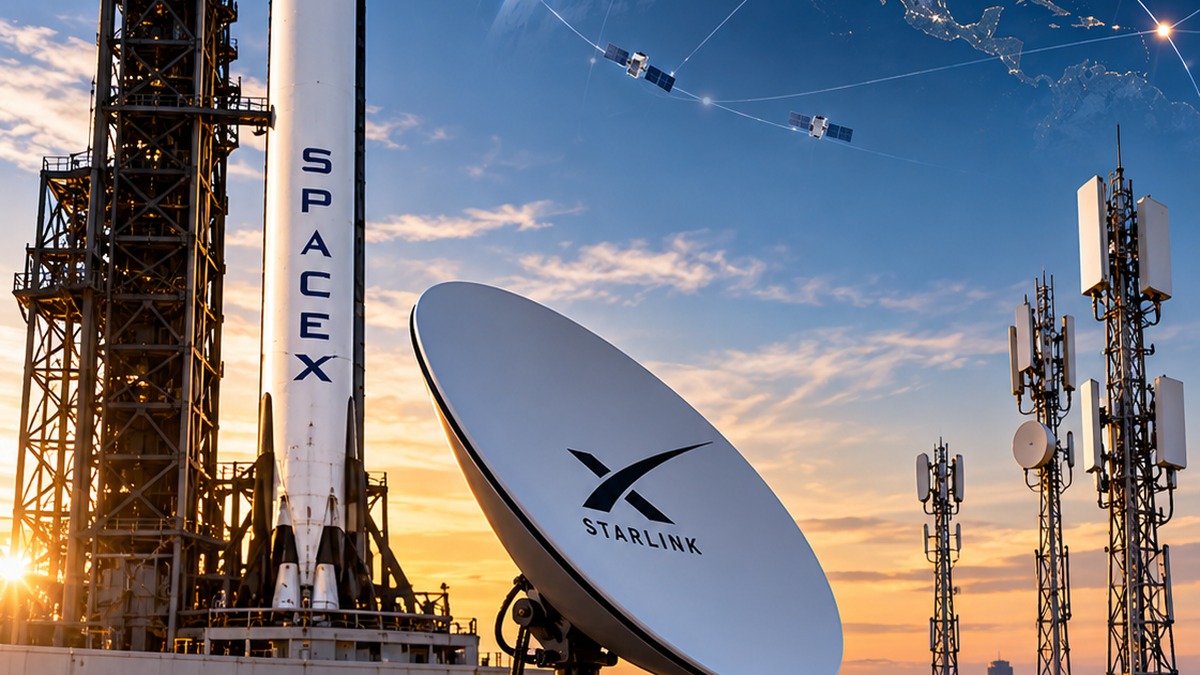
SpaceX is expanding beyond its traditional satellite internet business, adding to speculation about how Elon Musk's company could reshape the US wireless market. A disclosed spectrum acquisition agreement provides a concrete development, although reports of negotiations for thousands of cell sites remain unconfirmed by the official sources reviewed.
What SpaceX Has Confirmed
In a disclosure filed with the US Securities and Exchange Commission in October 2026, SpaceX outlined an agreement to acquire a nationwide low-band spectrum portfolio offering up to 14 MHz of paired spectrum in the 800 MHz band.
The transaction was expected to close in the first half of 2027, subject to closing conditions. The spectrum could support SpaceX's broader wireless strategy, but the agreement alone does not establish that the company has launched a new nationwide mobile carrier.
A separate report said SpaceX was discussing access to at least 80,000 cell sites as it considers building a wireless network. The specific negotiations have not been confirmed in the official materials reviewed.
Why Telecom Companies Are Watching
Traditional wireless operators rely on extensive terrestrial networks, including cell towers, antennas and spectrum licences. SpaceX brings a different asset to the market: its Starlink satellite network, which is designed to extend connectivity to locations where conventional coverage can be limited.
Combining satellite connectivity with terrestrial infrastructure could create new service possibilities. However, building a competitive mobile network requires more than acquiring spectrum. Coverage, capacity, regulatory approvals, infrastructure access and customer pricing all matter.
TwikUp's Perspective
The important question is whether SpaceX can turn its satellite advantage into a sustainable mainstream wireless service. Established carriers may face new competitive pressure, while infrastructure companies could potentially benefit from additional demand.
For now, the spectrum agreement is the firmer development. Until SpaceX, tower operators or regulators confirm the reported site negotiations, readers should treat the 80,000-site figure as an unverified report rather than a completed deal.