
Key Takeaways
- The supplied report describes restrictions on a dashboard camera and a wireless video transmitter containing HiSilicon chips.
- The FCC maintains a Covered List identifying certain communications equipment and services subject to national-security restrictions.
- The specific October 22 decision and the identities of the two devices could not be independently confirmed through a matching official FCC order.
US Reportedly Blocks Two Devices Over Surveillance Chips
Two connected devices have reportedly been blocked from the US market because they contain chips developed by HiSilicon, a semiconductor company associated with Chinese technology giant Huawei. The reported action highlights Washington’s continued scrutiny of technology considered relevant to national security.
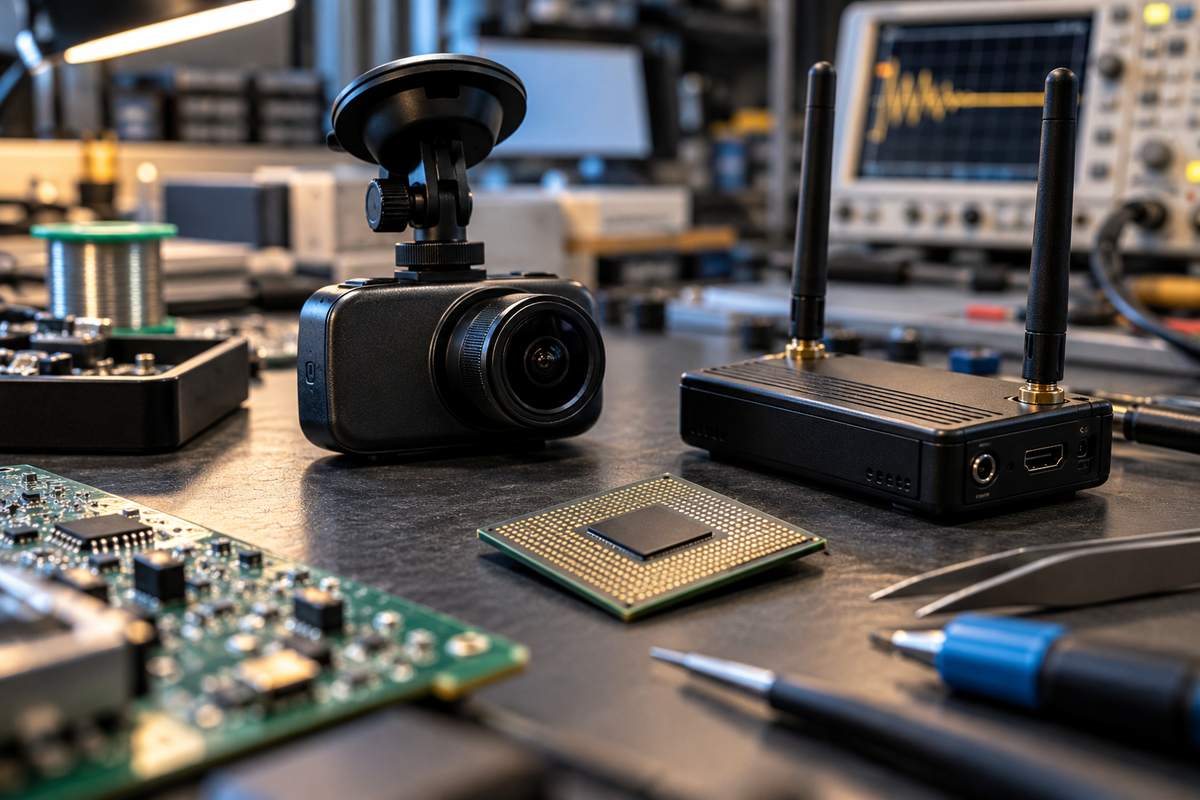
According to the supplied report, the devices are a dashboard camera and a wireless video transmitter. The Federal Communications Commission (FCC) reportedly said the chips were marketed for surveillance applications and included human-face detection capabilities.
However, a matching FCC announcement or order identifying these two products could not be independently verified through the official documents reviewed. The specific action should therefore be treated as reported, rather than confirmed by the primary regulator.
What the FCC’s Existing Rules Cover
The FCC maintains a Covered List of communications equipment and services that the agency has determined pose unacceptable risks to US national security. The list includes certain telecommunications equipment associated with Huawei, alongside equipment and services from other named companies.
The agency’s official documents provide the regulatory background for restrictions involving covered technology. However, the existing Covered List is not, by itself, proof that the two devices described in the report were subject to a new decision on October 22, 2026.
The distinction matters because restrictions can apply to particular equipment categories, authorizations or market activities. They should not automatically be interpreted as a universal prohibition on every product containing a chip designed or manufactured in China.
TwikUp’s Perspective
The case illustrates a growing challenge for technology regulators: evaluating not only the finished product, but also the components and capabilities embedded inside it. A chip used for video processing can raise different questions depending on its functions, connectivity and intended application.
For consumers and businesses, clear identification of affected models and the exact legal scope of a restriction is essential. Until the FCC publishes a matching order or announcement, readers should avoid assuming that ordinary dash cameras or wireless video equipment are all prohibited.
The next important step is confirmation from the regulator, including the products covered and the rules governing their sale or importation.