
Key Takeaways
- Meta says its rules and content systems are designed to apply equally across political viewpoints.
- Brazil’s Superior Electoral Court has discussed election misinformation, AI-generated content and campaign fairness with Meta.
- Public statements do not independently verify every detail reportedly included in Meta’s technical court filing.
Meta Says It Applies Equal Rules to Brazil’s Presidential Campaigns
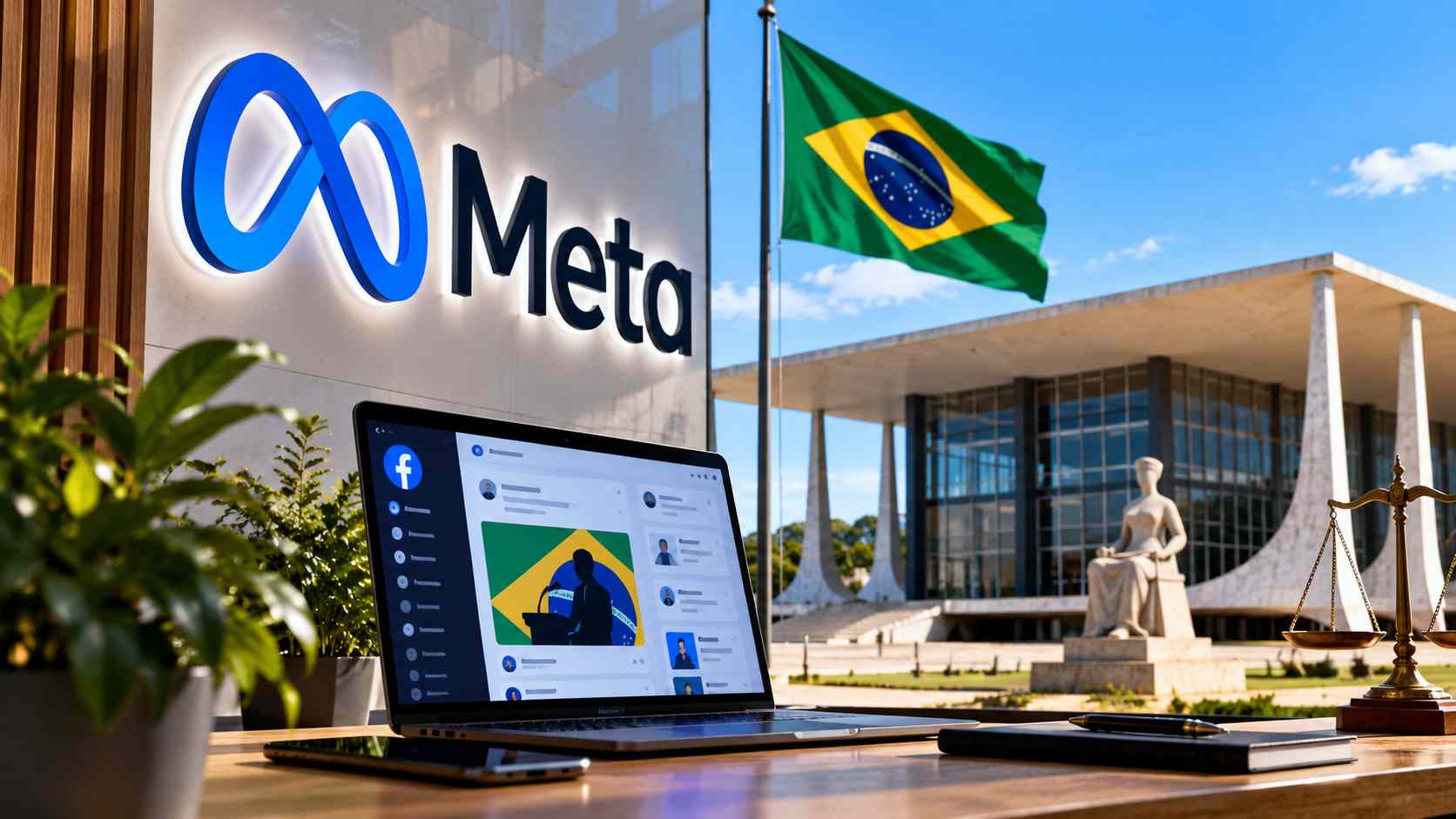
As Brazil approaches a decisive presidential runoff, scrutiny of social media platforms is intensifying. Meta says its election safeguards apply across political viewpoints, but its handling of campaign advertising, misinformation and artificial intelligence remains under examination by Brazil’s electoral authorities.
What Meta Says About Election Fairness
In a statement published on October 16, 2026, Meta rejected claims that it was interfering in Brazil’s election. The company described technical incidents involving political campaigns and said it had submitted a technical defence to the Superior Electoral Court, known as the TSE.
Meta said its systems do not distribute content according to political ideology and that its rules apply equally. These are the company’s claims, however, rather than an independent determination that every campaign received identical treatment.
The statement also described advertising-related technical problems affecting campaigns. Meta said an advertisement account belonging to President Luiz Inácio Lula da Silva’s campaign was mistakenly disabled for a little over an hour in September after an advertisement was flagged over a possible impersonation issue. The company said Flávio Bolsonaro’s campaign also reported a problem that day.
Electoral Court Examines Platform Safeguards
The TSE reported on October 15 that it had discussed measures to address election misinformation with Meta. Topics included AI-generated content and the preservation of information connected to campaign WhatsApp channels.
The court emphasised the importance of fair conditions between the presidential campaigns. That concern matters because digital platforms can influence how political messages reach voters, even when technical errors are not intentional.
Meta separately explained its response to a TSE order concerning electoral advertising. Its October 16 statement described a proposed technical system to restrict election advertising to authorised advertisers, rather than simply shutting down every advertisement related to politics or social issues.
TwikUp’s Perspective
Election integrity requires more than a platform’s assurance that its rules are neutral. Transparent procedures, consistent enforcement and meaningful oversight help voters and campaigns assess whether those rules work in practice.
The available public statements establish that Meta and the TSE have discussed these safeguards. They do not independently confirm every detail attributed to Meta’s reported court filing, including the precise number of initiatives or a reported two-hour review process.
As Brazil’s runoff approaches, the key question is whether safeguards can be applied consistently and explained clearly. Public documentation from both the platform and electoral authorities will be important for evaluating that effort.