
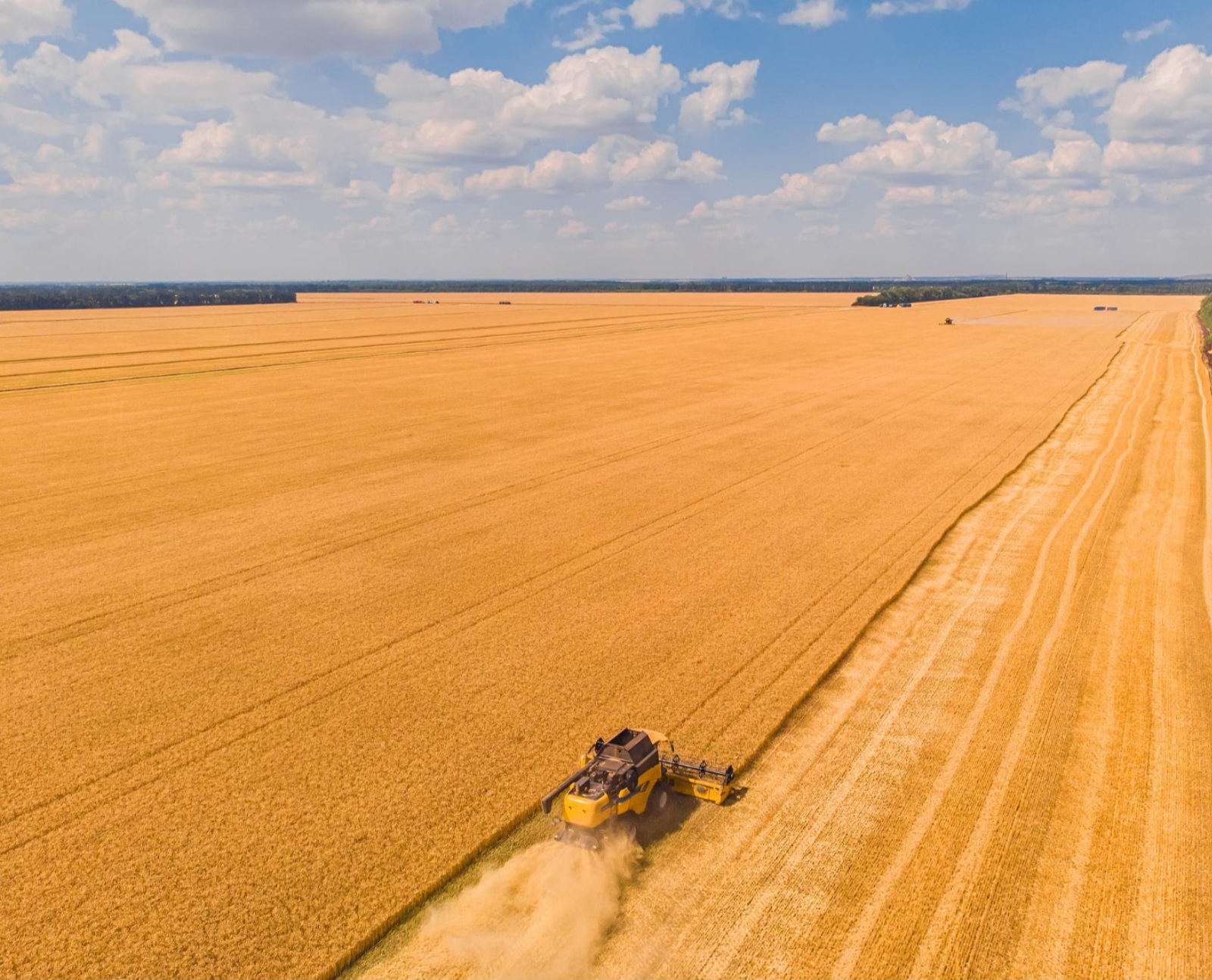
Food has always been essential to human civilization. Yet for much of the modern era, many countries treated secure access to food as a largely economic or humanitarian issue rather than a strategic one.
That perception is changing. From wars and climate shocks to trade disruptions and rising production costs, governments are confronting a world where food security increasingly influences economic resilience, political stability, and international relations. In an era marked by growing uncertainty, ensuring reliable food supplies has become a matter of national interest.
Why Food Security Matters Far Beyond Farms
Modern food systems are among the most interconnected networks in the global economy.
Agriculture depends on energy, fertilizers, water resources, transportation systems, and international trade. A disruption in one part of that chain can quickly ripple across borders and affect prices, availability, and economic stability elsewhere.
The interconnected nature of these systems means that food security can no longer be viewed solely through the lens of agriculture. It has become deeply intertwined with development, trade, and geopolitical affairs.
For consumers, these pressures are often felt through rising grocery bills. For governments, they raise broader questions about resilience and preparedness.
Conflict And Climate Are Creating A More Uncertain World
Several powerful forces are reshaping the global food landscape simultaneously.
Armed conflicts continue to disrupt production and transportation networks. Shipping routes have become increasingly vulnerable to geopolitical tensions, while instability in key agricultural regions creates uncertainty in global markets.
Climate change is adding another layer of complexity. Heat waves, prolonged droughts, floods, and changing rainfall patterns are affecting harvests and reducing predictability for farmers.
Meanwhile, higher energy costs and expensive fertilizers are increasing the financial burden on agricultural producers.
Taken together, these challenges suggest that disruptions once considered temporary are becoming more frequent features of the global economy.
Hunger And Development Are Closely Connected
Food insecurity affects far more than the availability of meals.
Persistent shortages can weaken public health, reduce productivity, intensify migration pressures, and contribute to social instability. Countries facing chronic food insecurity often struggle with broader development challenges, creating cycles that are difficult to break.
International organizations increasingly view food security as inseparable from sustainable development. Access to affordable and nutritious food influences education outcomes, economic growth, and long-term social stability.
This explains why food policy is receiving greater attention from governments, development institutions, and international organizations.
Why Governments Are Thinking Differently
Many countries are moving beyond short-term responses and focusing on resilience.
Increasing investment is flowing into:
-
Climate-resistant crops.
-
Agricultural technologies.
-
Water management systems.
-
Strategic food reserves.
-
Diversified supply chains.
-
Domestic production capabilities.
The objective is not complete self-sufficiency. Instead, governments are attempting to reduce vulnerabilities and strengthen their ability to respond to external shocks.
This shift mirrors broader changes taking place across other strategic sectors.
TwikUp recently explored these developments in Why Critical Minerals Are Becoming the New Oil.
https://twikup.ca/world/global-politics/why-critical-minerals-are-becoming-the-new-oil
Technology itself is becoming part of geopolitical competition. More analysis is available in The Race for AI Is Becoming a Geopolitical Contest.
https://twikup.ca/world/global-politics/the-race-for-ai-is-becoming-a-geopolitical-contest
Food Is Becoming Part Of Geopolitics
For decades, energy security occupied a central place in international strategy.
Food security is increasingly joining that conversation.
Countries are using agricultural partnerships, trade agreements, and investment policies to strengthen their access to critical supplies. Export restrictions and disruptions in major producing regions have highlighted how dependent many economies are on global markets.
As geopolitical competition intensifies, secure food systems are becoming part of a broader effort to enhance national resilience.
The shift reflects a simple reality. Stability depends not only on military strength or technological leadership, but also on the ability to feed populations reliably and affordably.
Why Global Development Will Shape The Future
Population growth, urbanization, and changing dietary patterns are expected to increase demand for food in the coming decades.
Meeting that demand while adapting to climate change will require significant investment in infrastructure, innovation, and international cooperation.
The challenge extends beyond producing more food. It involves creating systems that are resilient enough to withstand conflicts, extreme weather, and economic shocks.
How governments respond to these pressures may influence not only development outcomes but also the future balance of global stability.
What To Watch In The Years Ahead
Several trends could define the next phase of food security.
-
Greater investment in agricultural innovation.
-
Increased emphasis on climate resilience.
-
Expansion of strategic food reserves.
-
Rising importance of water security.
-
Diversification of supply chains.
-
Stronger links between food policy and national security.
The world has spent decades debating energy security and technological competition.
Food security may become the next strategic challenge shaping the twenty-first century.
FAQ: Brief Insights on Food Security
Why is food security becoming a strategic issue?
Governments increasingly view reliable food supplies as essential to economic stability, social cohesion, and national resilience.
What are the biggest threats to food security?
Conflict, climate change, supply disruptions, rising production costs, and water scarcity are among the major risks.
Why does climate change affect agriculture?
Extreme weather events, changing rainfall patterns, and rising temperatures can reduce crop yields and disrupt food production.
Is food insecurity only a problem for developing countries?
No. Price shocks and supply disruptions can affect economies and consumers worldwide.
Why are governments investing in agricultural resilience?
Stronger food systems help countries reduce vulnerabilities and respond more effectively to external shocks.
Could food become as strategically important as energy?
Many policymakers increasingly view food security as a pillar of national and economic security.
Why does food security matter for global development?
Access to affordable and nutritious food influences health, education, productivity, and long-term economic growth.
Will technology play a larger role in food production?
Yes. Advances in agricultural technology, water management, and climate adaptation are expected to become increasingly important.
Related Perspectives
Why Critical Minerals Are Becoming the New Oil
https://twikup.ca/world/global-politics/why-critical-minerals-are-becoming-the-new-oil
The Race for AI Is Becoming a Geopolitical Contest
https://twikup.ca/world/global-politics/the-race-for-ai-is-becoming-a-geopolitical-contest
From Growth to Geopolitics: How the G7 Is Changing
https://twikup.ca/world/global-politics/from-growth-to-geopolitics-how-the-g7-is-changing