
Key Takeaways
- The Mackenzie River has been nominated for inclusion in the Canadian Heritage Rivers System, but formal designation is not yet complete.
- The river is deeply connected to Dene, Métis, Gwich’in and Inuvialuit peoples and supports important wildlife habitats.
- A collaborative stewardship plan must be developed within three years before the river can proceed toward formal designation.
One of Canada’s most important northern waterways has reached a major heritage milestone. The federal government and the Northwest Territories have accepted the nomination of the Mackenzie River for the Canadian Heritage Rivers System, recognizing its cultural importance, natural richness and enduring place in northern life.
A River With Many Names and Stories
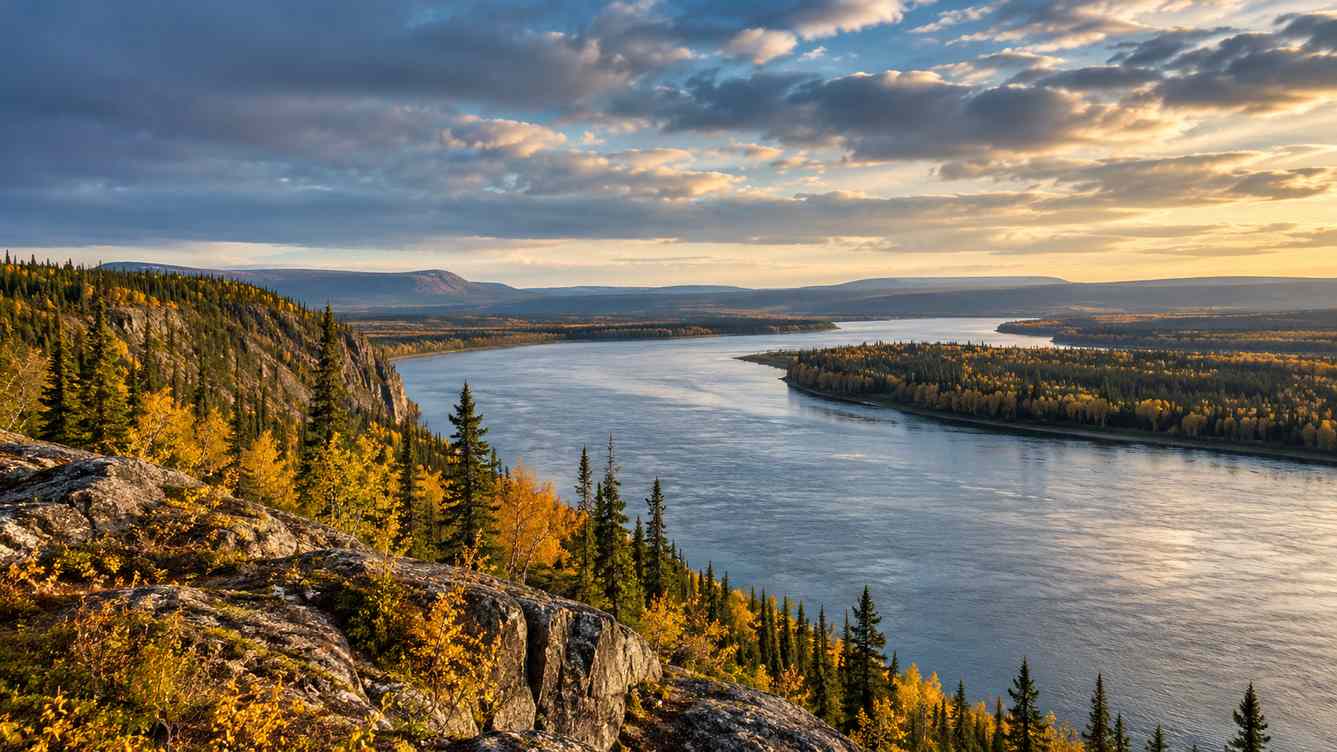
Announced by Parks Canada on October 8, the nomination covers the river’s main stem within the Northwest Territories. It flows just under 1,800 kilometres from the western tip of Great Slave Lake to the Arctic Ocean. Including tributaries, the wider river system extends more than 4,200 kilometres.
The waterway is known by several Indigenous names, including Dehcho, Deho, Kuukpak and Nagwichoonjik, alongside French and English names. These names are commonly translated as “Big River,” reflecting its scale and significance.
For Dene, Métis, Gwich’in and Inuvialuit peoples, the river is much more than a geographic feature. It is tied to oral histories, sacred places, harvesting practices, transportation and knowledge passed between generations. The river has also supported trade and travel across northern communities for centuries.
Wildlife and the Road to Designation
The Mackenzie River drains nearly one-fifth of Canada’s landmass and supports diverse ecosystems, wildlife habitat and the Mackenzie Delta. Its importance to migratory birds and other species adds a significant ecological dimension to the nomination.
However, nomination is not the same as final designation. The next step is a stewardship plan, which must be prepared within three years. The Northwest Territories government will lead the process with Indigenous governments, organizations and communities across the Dehcho, Sahtu, Gwich’in and Inuvialuit regions.
TwikUp’s Perspective
The nomination creates an opportunity to connect national recognition with practical, long-term care. Its value will depend on whether the stewardship process gives Indigenous communities a meaningful role in decisions affecting their lands, waters and traditions.
Formal recognition can raise awareness, but lasting protection requires collaboration, clear priorities and continued monitoring. The Mackenzie’s next chapter will be shaped not only by its heritage status, but by how governments and communities work together to care for this living northern landscape.