
Key Takeaways
- Equinor agreed to acquire BP’s interest in Bay du Nord, increasing its ownership to 100%.
- The project is located approximately 500 kilometres offshore Newfoundland and Labrador in the Flemish Pass basin.
- A final investment decision is targeted for early 2027, while first oil is expected in 2031, subject to approvals and project conditions.
Canada’s offshore energy sector is preparing for a potentially significant development as Equinor advances the Bay du Nord oil project toward a major investment decision. The Norwegian energy company announced in July 2026 that it had agreed to acquire BP’s interest, bringing its ownership to 100%.
A Major Offshore Project Moves Forward
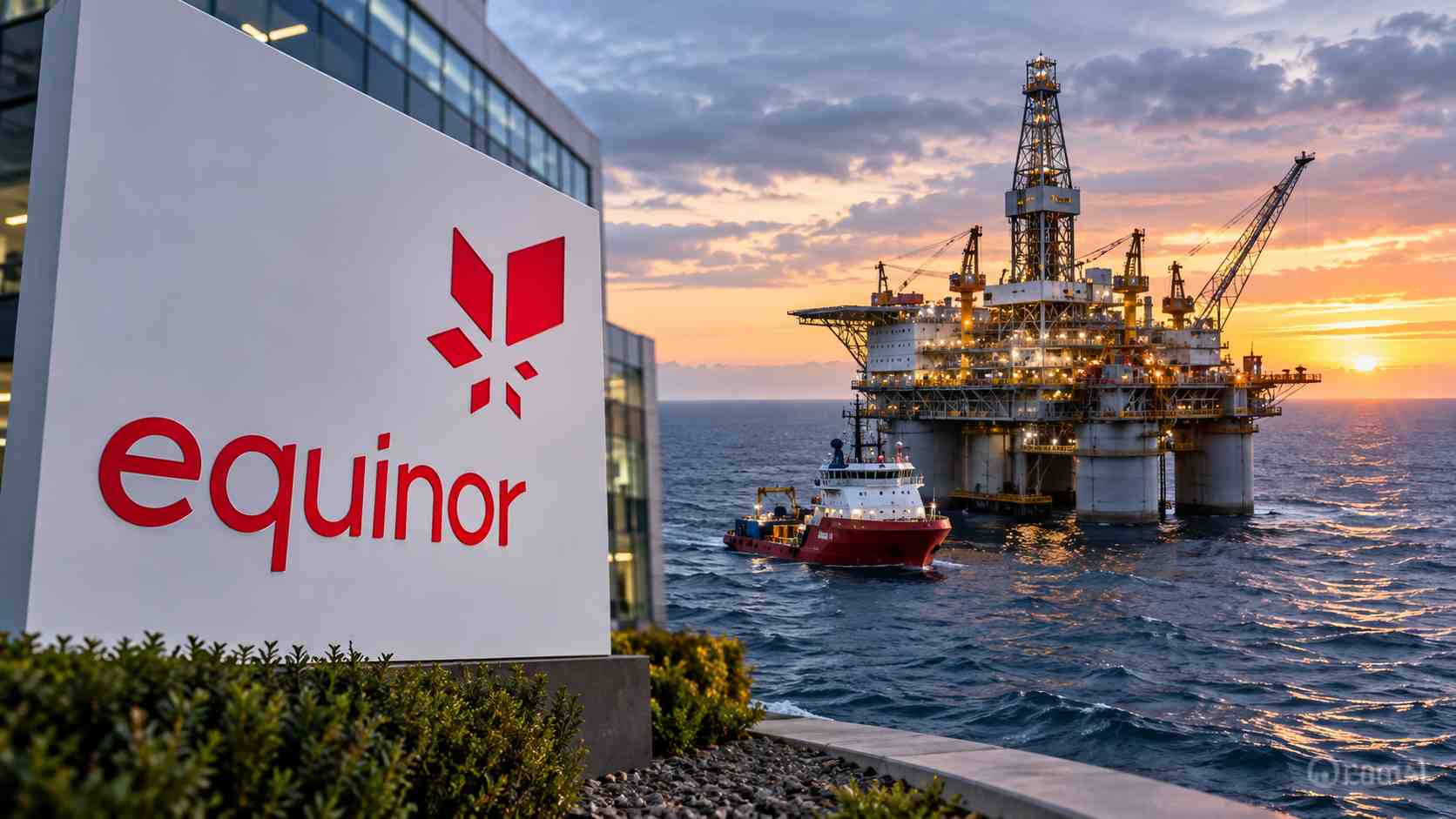
Bay du Nord is located in the Flemish Pass basin, approximately 500 kilometres offshore Newfoundland and Labrador. Equinor’s development concept uses a floating production, storage and offloading vessel connected to subsea infrastructure, allowing oil to be produced in deep Atlantic waters.
The project’s initial phase includes the Bay du Nord and Cambriol discoveries, with estimated recoverable resources exceeding 400 million barrels. Equinor has said the development has progressed to front-end engineering and design, with further work focused on cost efficiency, execution planning and reducing project risks.
The company is targeting a final investment decision for early 2027. First oil is expected in 2031, although the schedule remains subject to market conditions, regulatory approvals and internal decisions.
Economic Stakes for Newfoundland and Labrador
The provincial government reached agreements with Equinor and BP in March 2026 covering royalties, life-of-field benefits and an equity option. The government said the first phase could generate up to $6.4 billion in direct provincial revenue.
The agreement also includes more than 31 million person-hours of work over 25 years and a commitment to fabricate at least 95% of subsea components in Newfoundland and Labrador. These commitments are intended to support local businesses, skilled trades and the province’s industrial capacity.
TwikUp’s Perspective
Bay du Nord illustrates the balance between economic opportunity and the risks of developing oil in deep water. Large offshore projects require substantial capital, reliable infrastructure, regulatory scrutiny and confidence in future energy demand.
For Newfoundland and Labrador, the potential benefits depend on whether the project reaches a final investment decision and delivers the promised local work and revenues. The next milestone will therefore matter more than ownership changes alone.
Equinor’s full ownership gives it greater control over the project’s development, but the investment decision remains the key test of whether Bay du Nord moves from planning into construction.