
Key Takeaways
- Toronto’s mayoral election is scheduled for October 26, 2026, according to the supplied election information.
- Claims that Brad Bradford leads Olivia Chow in a new poll have not been verified against Mainstreet Research’s original report.
- Voters should use the City of Toronto’s official election resources to confirm voting details and candidate information.
Toronto Mayoral Election 2026: Candidates, Poll Claims and Voting Information
With Toronto’s mayoral election approaching, attention is turning to the candidates, local priorities and claims about who may be ahead. But before treating a polling headline as a turning point, readers need access to the original survey and its methodology.
Poll Claims Need Original Evidence
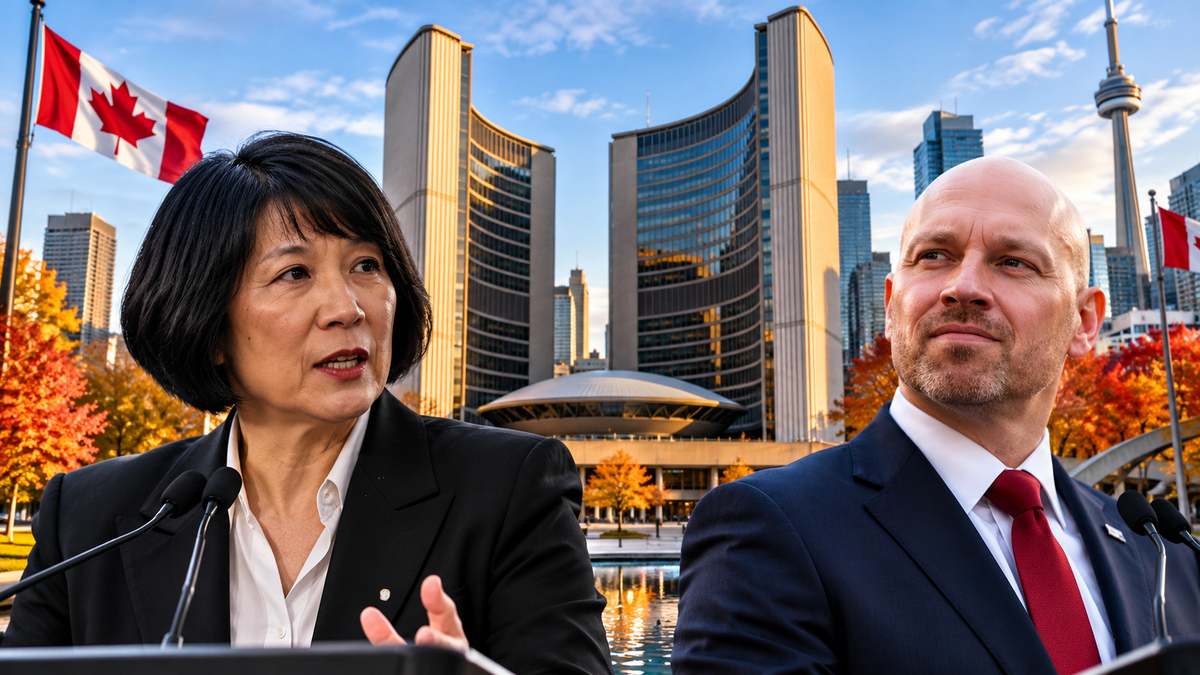
An Instagram post from RTN Toronto claims a Mainstreet Research survey conducted October 16 to 18 found Brad Bradford at 48.9% and incumbent Olivia Chow at 47.5%. The post describes the difference as 1.4 percentage points and reports a margin of error of 3.1 percentage points.
Those figures have not been independently verified against the polling company's original release. They should not be presented as an established ranking of the candidates without the original report, including its question wording, sampling method, weighting and details of the population surveyed.
A poll is a snapshot of responses collected under particular conditions, not a prediction of the final result. Small differences can be especially difficult to interpret without reviewing the survey's methodology and uncertainty.
Where Voters Can Find Reliable Information
The City of Toronto's official elections website is the primary destination for election administration information, including voting procedures, important dates and candidate resources. Toronto's MyVote service helps eligible voters access information relevant to their address.
Mainstreet Research is the appropriate original source for its own polling results. Until the specific survey is published or otherwise confirmed by the company, the figures circulating on social media should remain attributed claims rather than verified findings.
TwikUp's Perspective
Election coverage is most useful when it helps readers separate campaign momentum from confirmed information. A striking percentage can attract attention, but transparency about who was surveyed and how responses were collected matters more than a headline declaring a winner.
As voting day approaches, Toronto residents can make better-informed decisions by comparing candidates' stated positions, checking official voting information and treating unverified polling graphics cautiously. Reliable civic reporting should clarify what is known, identify what remains uncertain and give readers direct access to original sources.