
Key Takeaways
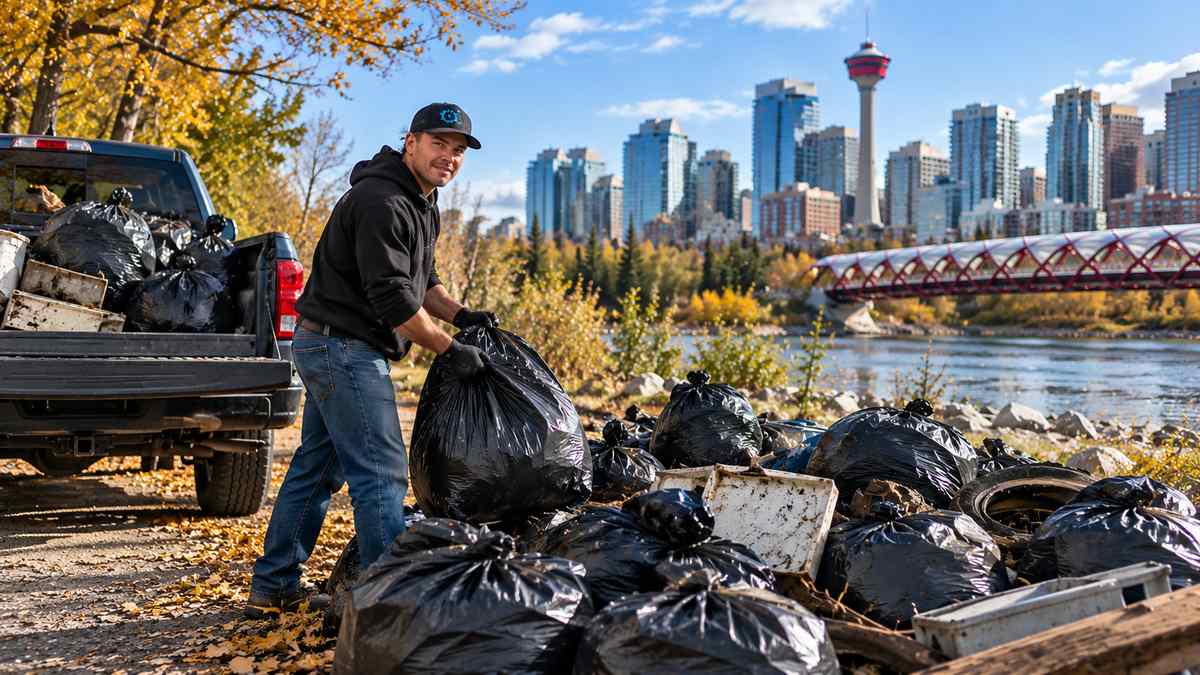
- An Instagram post attributes a large litter cleanup near Calgary’s Soldiers’ Memorial and Poppy Plaza to Matthew Edwards.
- The post claims 33 bags of rubbish were collected over five days, but those figures remain independently unverified.
- Official city and veterans’ resources can provide context about the memorial and public spaces, but do not independently confirm this cleanup.
Calgary Cleanup Story Highlights Community Action Ahead of Remembrance Day
A reported cleanup near one of Calgary’s military remembrance sites is drawing attention online ahead of Remembrance Day. The story centres on a simple community effort: removing litter from an area associated with remembrance, reflection and public gatherings.
What the Social Media Post Says
An Instagram post shared by RTN Toronto attributes the cleanup to Matthew Edwards, described as a Calgary resident. According to the post, Edwards spent five days collecting rubbish near Calgary’s Soldiers’ Memorial and Poppy Plaza.
The post claims he removed 33 bags of garbage weighing a combined 1,084 pounds. It also says he has collected more than 14,000 pounds of rubbish during the year.
However, these figures have not been independently confirmed through an official City of Calgary statement or another primary source reviewed for this article. They should therefore be treated as claims made in the social media post, rather than established facts.
Why the Location Matters
Calgary’s Soldiers’ Memorial and Poppy Plaza are associated with remembrance and public reflection. Veterans Affairs Canada provides official information about the Soldiers’ Memorial, while the City of Calgary offers resources about municipal public spaces and community services.
Keeping public areas clean can help preserve the experience of people visiting memorials, parks and gathering places. It can also draw attention to the practical work required to maintain shared spaces, particularly during periods when communities gather to honour military service.
TwikUp's Perspective
Community cleanups can inspire others to care for their neighbourhoods, but reliable reporting requires more than a compelling photograph or widely shared post. Confirming the volunteer’s account, the dates and the quantity collected would help establish the scale of this particular effort.
Readers interested in supporting local spaces can look for organised cleanup events through municipal channels and established community groups. The broader message is clear: public places benefit when residents take responsibility for the environments they share, and accurate reporting helps ensure those efforts receive appropriate recognition.