
Key Takeaways
- Ukraine's Security Service reported strikes against four Russian oil-infrastructure facilities in the Samara and Volgograd regions.
- Ukraine's Armed Forces separately reported a strike on the LUKOIL-Volgogradneftepererabotka refinery and Samara oil infrastructure.
- Ukrainian officials have publicly described long-range strikes against Russian oil infrastructure as part of their broader wartime operations.
Ukraine Reports New Strikes on Russian Oil Infrastructure
Ukraine has reported a fresh series of long-range strikes against Russian oil infrastructure, with Ukrainian authorities identifying facilities in the Samara and Volgograd regions among the latest targets.
The Security Service of Ukraine, or SBU, said on October 2 that Ukrainian forces had struck four Russian oil-infrastructure facilities. The agency identified infrastructure in both regions and described the operations as part of Ukraine's continuing long-range campaign.
The reports come as Kyiv continues to develop its ability to conduct strikes deep inside Russian territory during the ongoing war.
Oil Refinery and Pumping Infrastructure Hit
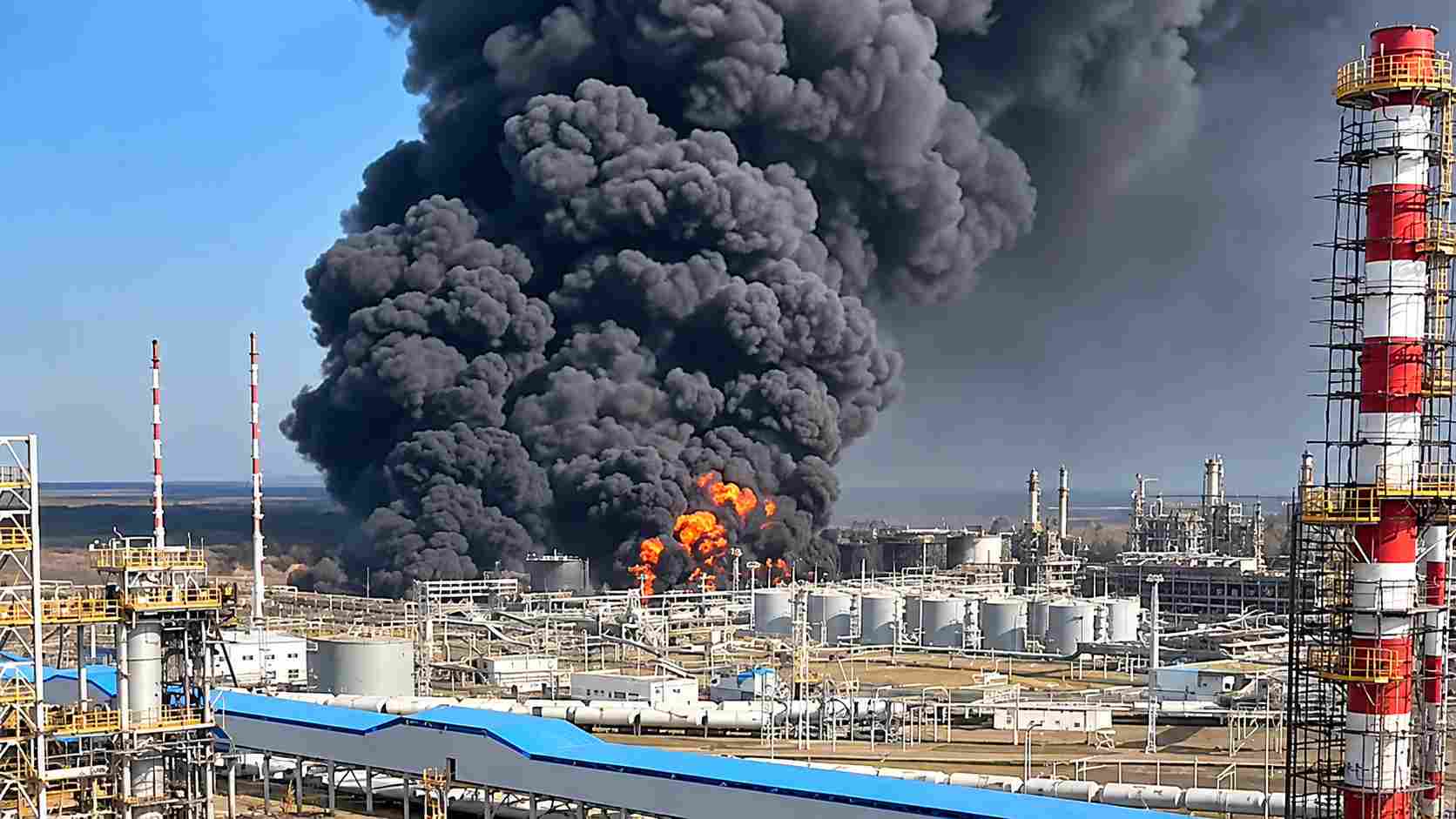
Ukraine's General Staff separately reported that Ukrainian Defence Forces struck the LUKOIL-Volgogradneftepererabotka oil refinery in Russia's Volgograd region.
According to the Ukrainian military, explosions and a fire were reported at the refinery following the strike. The General Staff also reported an attack on the Samara linear production and dispatching station.
The military said the results of the operations were still being clarified. This means the extent of damage and any longer-term effect on the facilities had not been fully established in the official account.
SBU Reports Four Oil Facilities Targeted
The SBU said its operation, conducted together with other components of Ukraine's Defence Forces, targeted four oil-related facilities in the Samara and Volgograd regions.
Among the infrastructure identified by the agency were the Samara linear production and dispatching station and oil-pumping facilities. The SBU presented the strikes as attacks against infrastructure supporting Russia's oil sector.
The official statement provides Ukraine's account of the operation. It does not independently establish the full extent of damage at every reported location.
Kyiv Signals Continued Long-Range Operations
Ukrainian President Volodymyr Zelenskyy has previously said Ukraine would carry out more long-range strikes against Russian targets.
In an August 10 statement, Zelenskyy said Ukraine would conduct additional deep strikes and referred to a Russian oil-refining facility in Tobolsk, Siberia, that had been hit.
These statements indicate that long-range operations remain an element of Ukraine's military strategy. However, the Ukrainian government has not officially confirmed the specific Reuters-reported claim that Russia has adopted a “new doctrine” directing broader attacks against civilian targets.
TwikUp's Perspective
The latest official statements show that Russia's energy infrastructure remains an important part of Ukraine's long-range military operations. Oil refineries, pumping stations and related facilities are strategically significant because they form part of the infrastructure supporting the petroleum sector.
At the same time, the available Ukrainian statements should be distinguished from independently verified battlefield assessments. The official reports establish what Ukrainian authorities say was targeted, while the precise extent of damage and operational consequences may require further confirmation.
What Comes Next
Further official assessments from Ukraine's military and security agencies could provide additional information about the reported strikes and their effects.
The broader pattern is also worth watching. Ukrainian officials have repeatedly indicated that their long-range capabilities are being used against Russian infrastructure, while Russian attacks against Ukraine continue.
For now, the latest information confirms new Ukrainian claims of strikes against Russian oil facilities, but does not independently establish the full strategic or economic impact of the operations.