
Key Takeaways
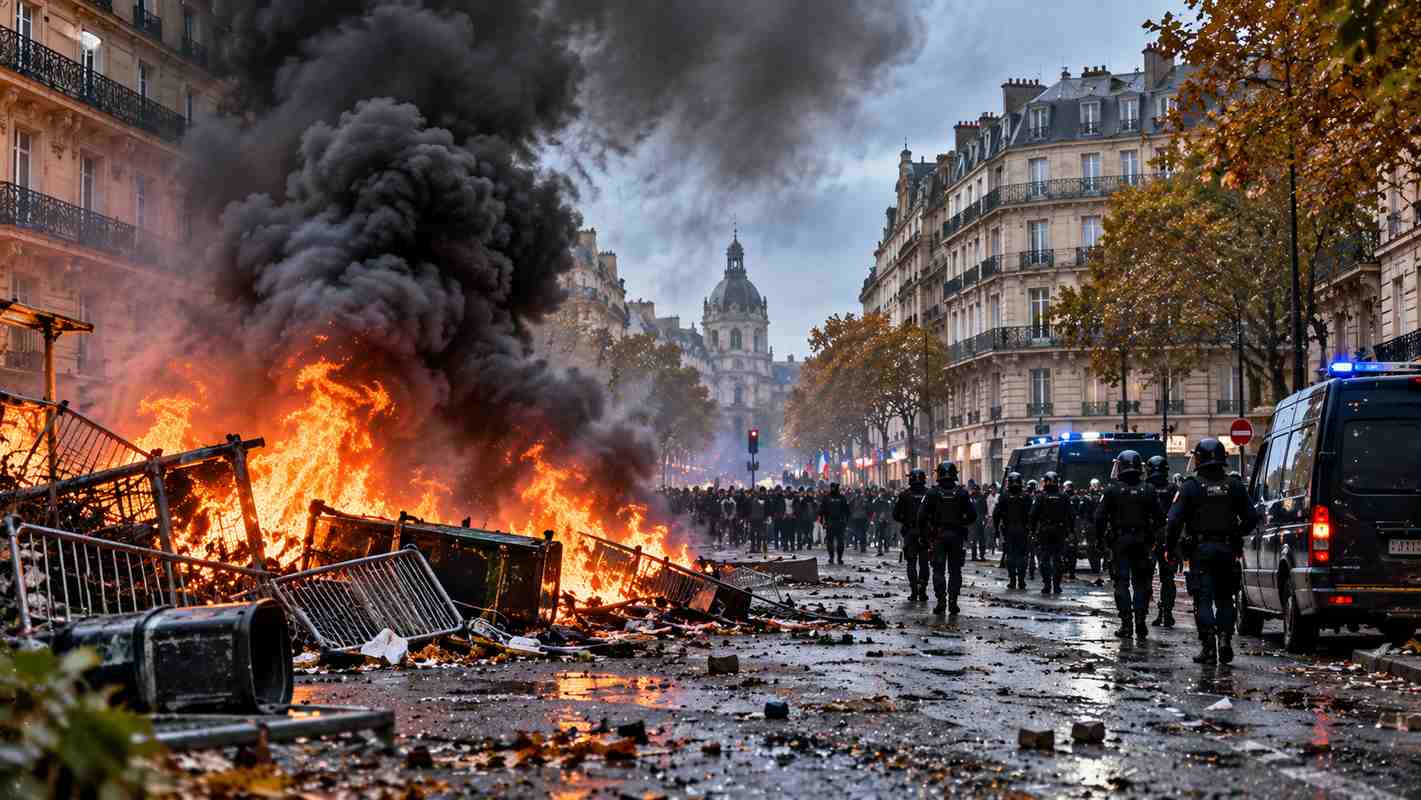
- The Association of French Mayors condemned violence reported across several French cities on October 17.
- The association questioned whether law-enforcement resources were adequate and requested a meeting with the prime minister.
- The mayors' statement documents their concerns, but does not independently establish every claim about the government's response.
French Mayors Demand Stronger Security Measures After Weekend Violence
France's debate over public safety has intensified after mayors raised concerns about violence affecting several cities over the October 17 weekend. The Association of French Mayors has called for government action, placing local authorities' security concerns at the centre of a wider national discussion.
What Did the Mayors Say?
In a declaration published on October 18, the Association of French Mayors (AMF) condemned the violence and described incidents affecting several locations, including the burning of Limoges town hall. The organisation questioned the deployment and resources available to law-enforcement forces and called on the prime minister to meet mayors.
The statement provides a direct account of the association's position. It does not, however, independently establish all the circumstances behind each incident or verify every criticism of the government's security preparations.
Why Are Local Authorities Raising Concerns?
Mayors often serve as the first point of contact for residents worried about damaged public property, disorder and neighbourhood safety. Municipal buildings also represent local democratic institutions, making attacks on town halls particularly significant for communities.
The French Ministry of the Interior provides broader context on the country's public-order policies through its official information on the RIPOST law. However, that policy material should not be treated as confirmation of the specific events described in the mayors' declaration.
TwikUp's Perspective
The dispute highlights a practical challenge for public authorities: national security decisions must translate into visible protection for local communities. Mayors need clear channels to report emerging risks, coordinate with police and obtain timely information during periods of unrest.
At the same time, accountability requires more than political criticism. Understanding whether security arrangements were adequate depends on verified incident records, operational decisions and explanations from the authorities involved.
The AMF's demand for talks puts coordination between local and national government in focus. Further official statements and documented findings will be important for establishing what happened, how the response was organised and whether changes are needed to improve public safety.