
Key Takeaways
- Many manufactured housing communities earn recurring income by leasing home sites to residents who own their homes.
- Alberta and Saskatchewan have attracted institutional investment, while British Columbia has an established park market and specific tenancy rules.
- Investors must examine infrastructure, occupancy, site rents, utility systems, zoning and tenant protections before purchasing.
Could Manufactured Housing Communities Become a Bigger Investment Opportunity in Canada?
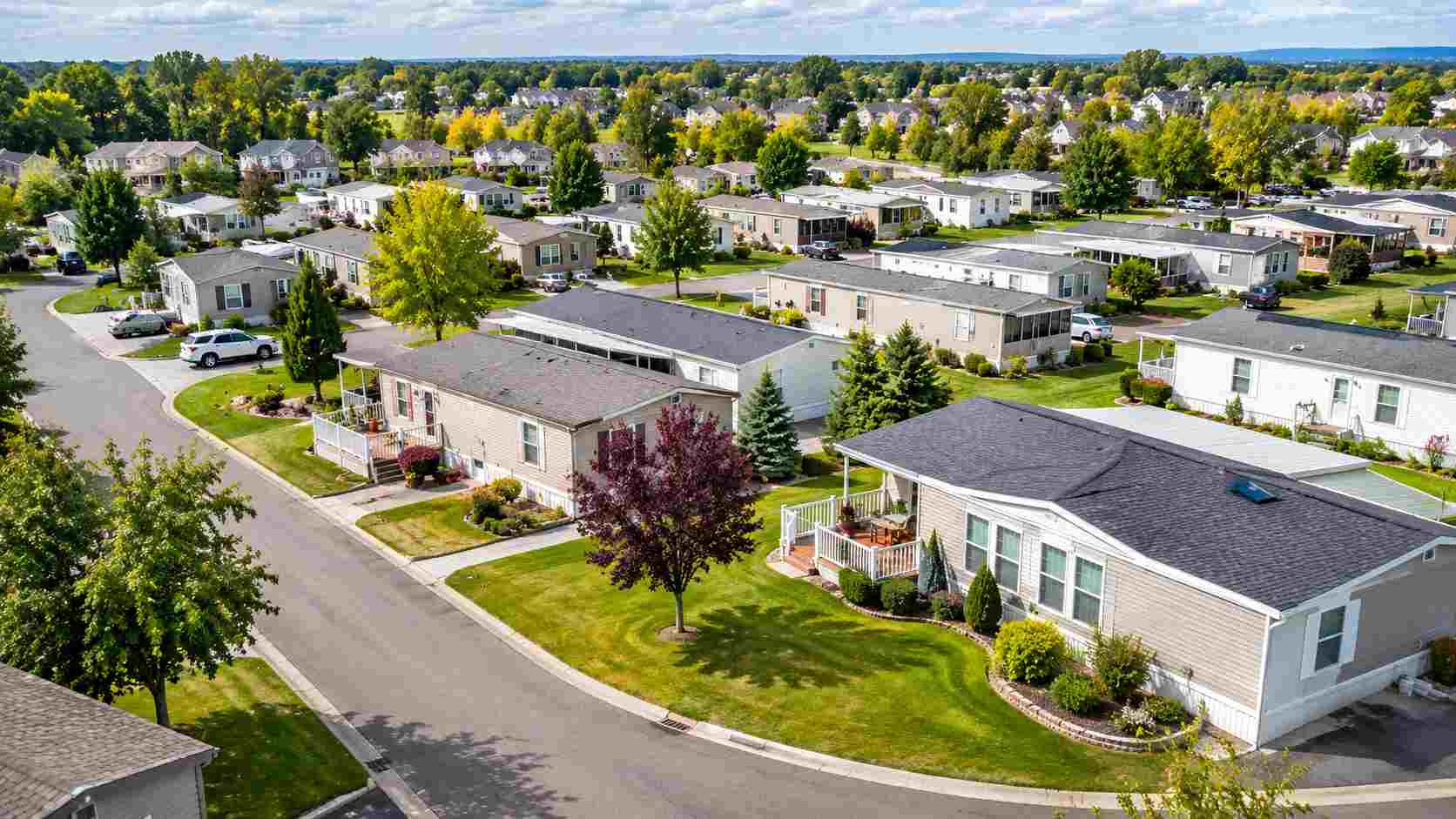
Buying an apartment building is not the only way to earn recurring income from residential real estate. Manufactured housing communities offer a different model: investors own the land, roads and shared infrastructure, while residents often own the homes placed on individual sites.
This arrangement is commonly called a land-lease community. Residents pay monthly site rent, and the owner maintains the community's shared services and facilities. For investors, the appeal is recurring land income without necessarily owning every home.
How Do Manufactured Housing Communities Generate Rental Income?
The main revenue source is monthly rent collected from occupied home sites. Depending on the community and lease arrangements, owners may also collect charges for utilities, services or shared facilities.
For example, imagine a community with 100 occupied sites paying an average of $700 per month. That would produce $70,000 in monthly site rent, or $840,000 annually before expenses. This is an illustrative calculation, not a verified Canadian market rent.
The model can reduce some responsibilities associated with apartment ownership because residents may be responsible for maintaining their own homes. However, park owners still need to maintain roads, drainage, water and sewer systems, common areas and other infrastructure.
Which Canadian Markets Could Investors Examine?
Alberta and Saskatchewan: These Prairie provinces have attracted institutional attention. In 2026, Firm Capital and SunPark completed a transaction involving a 50% interest in 10 communities across Alberta and Saskatchewan, covering 1,649 residential lots. The reported portfolio occupancy was 94%. This transaction demonstrates investor interest, although it does not establish that every community in these provinces offers similar performance.
British Columbia: The province has an established manufactured-home park sector. Ecotrust Canada's 2025 report estimated approximately 900 parks, with an average of around 45 sites. Many operate through land-lease arrangements, making the sector relevant for investors researching recurring site-rent income.
Ontario: Investors can examine established parks and smaller communities, but valuation requires careful income analysis. Ontario's Municipal Property Assessment Corporation uses an income approach for park land and common areas, considering revenue, vacancy, management and operating expenses.
These markets should be treated as research starting points, not a ranking of guaranteed investment destinations.
What Costs and Risks Should Buyers Investigate?
A manufactured housing community is only as strong as its infrastructure. Older parks may need significant spending on private water systems, sewage treatment, electrical networks, roads, drainage and utility connections.
Investors should also review occupancy, unpaid rent, lease agreements, site boundaries, maintenance responsibilities and the condition of common facilities. A community with vacant sites may offer expansion potential, but filling those sites can require approvals, infrastructure upgrades and the purchase or placement of homes.
Regulations also affect income. British Columbia has specific rules governing manufactured-home site tenancies, including limits and notice requirements for rent increases. Rules differ across provinces, so buyers should not assume they can immediately raise rents to market levels after an acquisition.
Is Manufactured Housing Investment Worth Considering in 2027?
The land-lease model can offer recurring income and exposure to residential housing demand without requiring ownership of every dwelling. However, affordability does not automatically translate into strong investment returns. Site rents, infrastructure condition, local regulations and the ability to manage the community responsibly all influence performance.
Before making an offer, investors should obtain engineering reports, review utility capacity, verify zoning and permitted site counts, and analyse several years of operating statements. They should also seek legal and tax advice on tenancy agreements and ownership structure.
TwikUp's Perspective
At TwikUp, we see manufactured housing communities as a specialised residential real estate segment worth researching, particularly for investors interested in land-lease income rather than conventional apartment rentals. The strongest opportunities will depend on sustainable site rents, reliable infrastructure, responsible management and a clear understanding of tenant protections. Investors comparing residential income strategies can also explore our guide to Canada Rental Property Investment 2027: Which Cities Offer Better Cash Flow Potential?. As with any property investment, the purchase price should reflect the actual income and future costs, not just the number of sites.
Disclaimer
This article is for informational and educational purposes only and should not be considered financial, investment, legal or tax advice. Manufactured housing communities involve property, infrastructure, operational and regulatory risks. Rental income and investment returns are not guaranteed. Investors should independently verify property details, financial records, zoning, tenancy agreements and applicable laws, and consult qualified professionals before making investment decisions.