
Key Takeaways
- Higher nighttime light exposure was associated with changes in heart structure and function in an observational study of more than 11,000 adults.
- In a larger group, the highest nighttime light exposure was linked with higher risks of heart failure, stroke, heart attack and atrial fibrillation.
- Blackout curtains, switched-off device lights, motion-sensor lighting and a sleep mask can help make a bedroom darker.
You fall asleep to the TV again. Your heart notices.
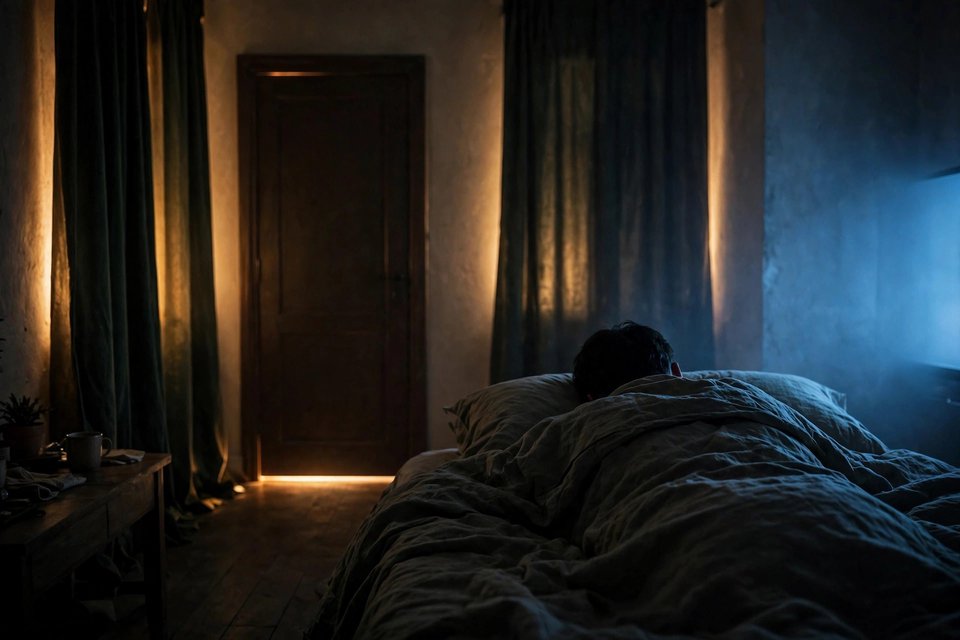
The hallway light left on, just in case. The TV murmuring into its third episode. A stripe of street light leaking in around the curtains.
Sound familiar?
Most of us treat a little light at night as harmless. New research suggests your heart may see it differently.
What the light sensors found
In a study published in the European Heart Journal, researchers tracked more than 11,000 adults who wore wrist devices for a week that measured the light around them as they slept.
About three years later, heart scans told a story. Compared with people who slept in darkness, those with the highest nighttime light exposure were more likely to have a thickened wall in the heart's main pumping chamber — and hearts that contracted and relaxed less efficiently.
A second, much larger group — about 70,000 adults followed for eight to 10 years — showed where that pattern can lead. The highest-light group faced a 29% higher risk of heart failure, a 33% higher risk of stroke, a 24% higher risk of heart attack, a 15% higher risk of atrial fibrillation, and a 26% higher risk of dying from heart disease.
Before you blame the night-light
A fair caveat: this was observational research. It shows nighttime light and heart problems travelling together — it does not prove the glow caused the damage. And those percentages compare groups of people; they are not a personal forecast for your bedroom.
Harvard's takeaway is simpler: darkness is one of the cheapest sleep upgrades there is.
Make your room properly dark
- Windows first: hang blackout shades, blinds or curtains to block street light.
- Kill the glow: turn off household lights at night, and disable the little display lights on devices.
- Bathroom trips: a motion-sensor night-light beats flipping on the hallway light.
- Still too bright? Wear a sleep mask.
The Twikup Take
We silence our phones, mute our notifications and dim our laptops at night. The bedroom deserves the same five minutes.
Your heart does some of its best work in the dark — let it.
Health note: This article is general information based on published research — it is not medical advice. If you have heart disease, high blood pressure or another medical condition, talk to your doctor or another qualified health professional about your sleep environment and heart health.