
Key Takeaways
- Health Canada recalled HotHands Rechargeable Hand Warmers because their lithium-ion batteries and electrical components can overheat and ignite.
- The recall covers 72 units reported sold in Canada between July 2025 and August 2026.
- Consumers should stop using affected units, obtain a refund and follow municipal guidance for safe lithium-ion battery disposal.
Health Canada Recalls HotHands Rechargeable Hand Warmers Over Burn Hazard
Health Canada has recalled HotHands Rechargeable Hand Warmers after identifying a potential burn hazard involving the lithium-ion battery and electrical components. According to the federal recall notice published October 1, 2026, the affected components can overheat and ignite.
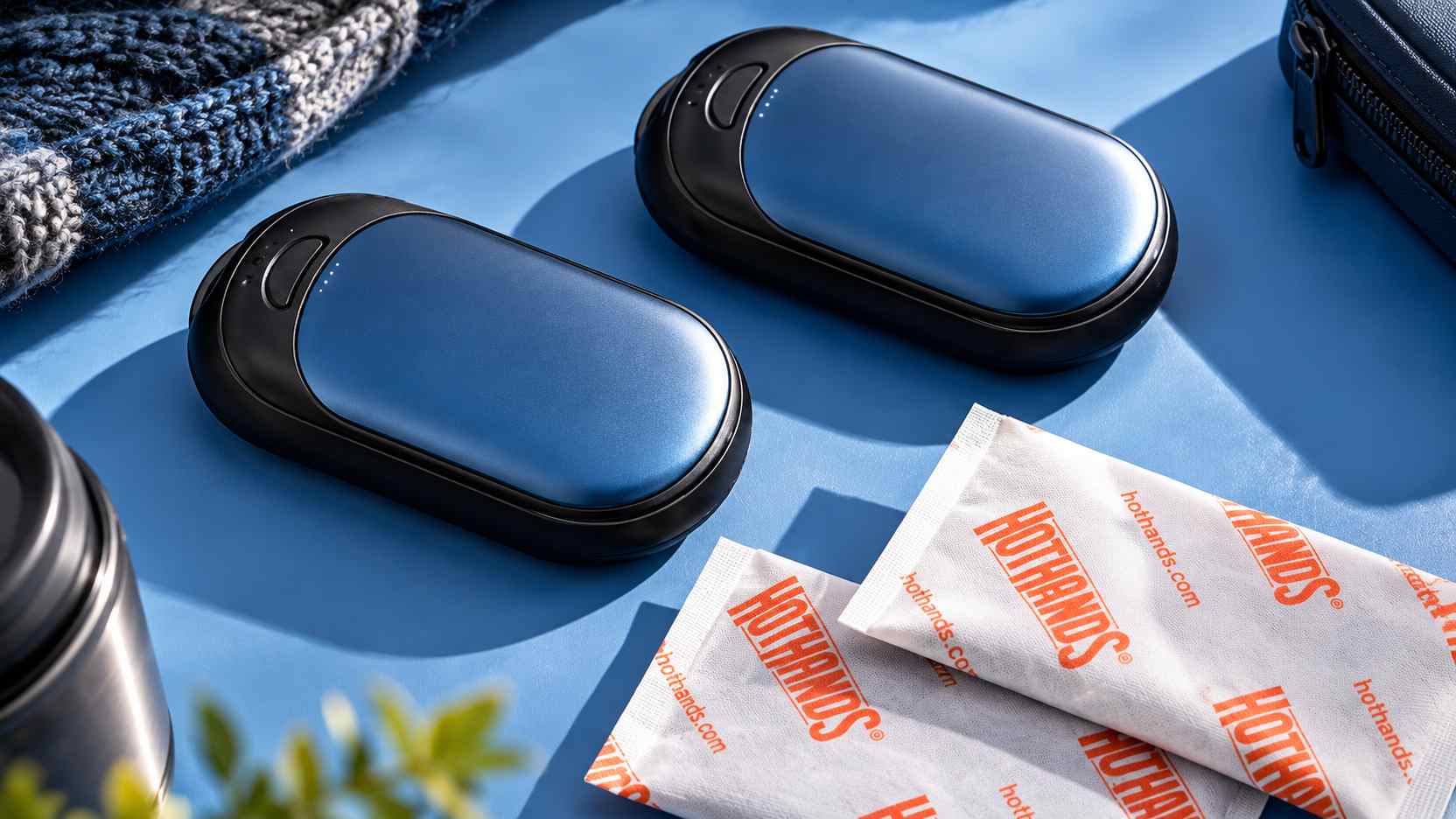
The recalled product is the HotHands Rechargeable Hand Warmers sold by Kobayashi. The white and orange warmers were sold in packs of two and can be magnetically joined together. Each unit includes a USB-C charging port, a built-in lithium-ion battery, adjustable heat settings, LED indicator lights and a silicone lanyard.
Which HotHands Products Are Affected?
Consumers can identify the recalled product by checking the underside of the warmer. The affected model number is H163650, while the batch number is also printed on the underside.
Health Canada reported that 72 affected units were sold in Canada. The company reported 77,000 units sold in the United States. The affected products were sold from July 2025 through August 2026 and were manufactured in China.
As of September 14, 2026, the company had received no reports of incidents or injuries related to the recalled product in Canada or the United States.
What Consumers Should Do
Health Canada advises consumers to immediately stop using the recalled hand warmers and contact Kobayashi to obtain a refund. Consumers must follow the instructions provided through the recall process before disposing of the products.
The disposal step is particularly important because the warmers contain lithium-ion batteries. Health Canada advises consumers to contact their municipality for instructions on safely transporting and disposing of lithium-ion batteries. These batteries are considered hazardous waste and should not be placed in household garbage.
The federal recall notice also states that recalled products cannot be redistributed, sold or given away in Canada under the Canada Consumer Product Safety Act.
Why Lithium-Ion Battery Safety Matters
Rechargeable lithium-ion batteries are widely used in portable electronics because they can store substantial energy in compact devices. When a battery or related electrical component develops a fault, however, overheating can create a fire or burn risk.
Canada's Consumer Product Safety Act establishes restrictions on advertising and selling consumer products known to present a danger to human health or safety. The legislation also gives the Minister authority to order recalls when there are reasonable grounds to believe a consumer product presents such a danger.
TwikUp's Perspective
The HotHands recall highlights an important distinction between a product being convenient and a product being safe throughout its operating life. Rechargeable heating devices combine electrical components, batteries and heat generation in a compact design, making accurate identification especially important when a safety issue emerges.
For consumers, the key lesson is practical: a recall notice should be treated as an immediate product-safety instruction rather than a routine product update. Checking the model and batch information can help determine whether a specific unit is affected before it is used again.
What Happens Next
Consumers with the affected H163650 model should follow Kobayashi's refund instructions and use local guidance for lithium-ion battery disposal. Health Canada is also encouraging consumers to report health or safety incidents involving this or other consumer products through its Consumer Product Incident Report Form.
The official recall carries identification number RA-82676 and was published by Health Canada on October 1, 2026.