
Key Takeaways
- Single oral doses of HOPO 14-1 up to 7,500 mg caused no dose-limiting toxicity or serious adverse events in 42 healthy adults.
- The pill is designed to remove radioactive heavy metals such as plutonium from the body after internal contamination.
- This is safety data only — there is no evidence yet that it works in people, and it is not an approved treatment.
A new approach to radioactive contamination
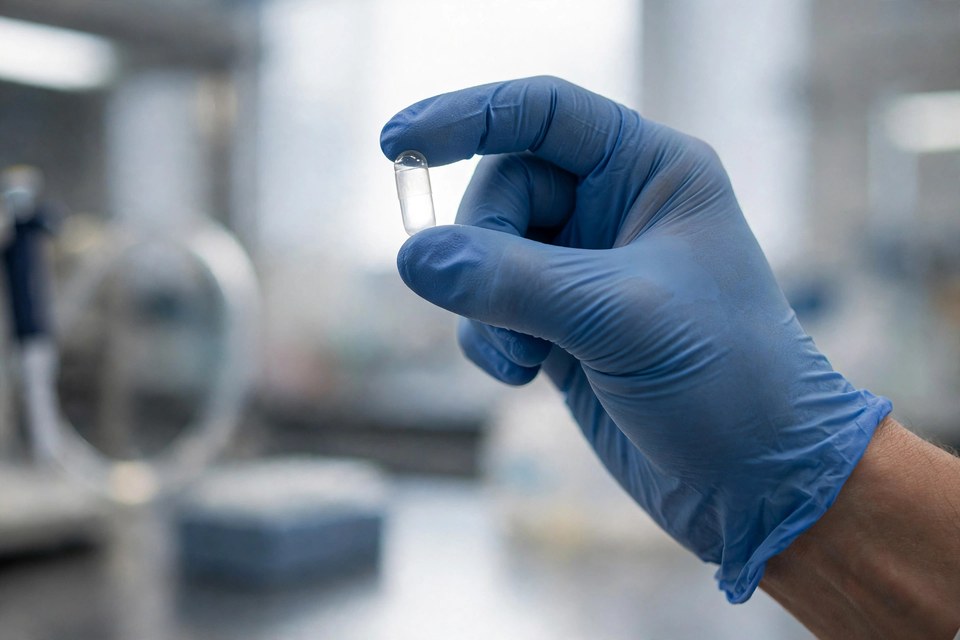
An experimental oral drug designed to help remove certain radioactive metals from the body has completed an early human safety trial. The drug, HOPO 14-1, is being developed to bind radioactive elements such as plutonium and americium after they enter the body, potentially helping people exposed during nuclear accidents or radiological emergencies. Unlike treatments that require injections or infusions, HOPO 14-1 is designed to be swallowed as a capsule. The early findings are encouraging, but researchers have not yet demonstrated that the drug effectively removes radioactive contamination from humans.
What the trial found
In a phase 1, single ascending-dose trial, researchers evaluated HOPO 14-1 in 42 healthy adults receiving single oral doses ranging from 100 to 7,500 milligrams. According to the reported findings, no serious adverse events or dose-limiting toxicities occurred across the tested doses. Reported adverse effects were generally mild to moderate, with gastrointestinal symptoms among the most common. The researchers also examined how the drug was absorbed, distributed and eliminated. These findings provide preliminary information about the drug's tolerability and pharmacokinetics, but they do not establish its effectiveness against internal radioactive contamination.
How HOPO 14-1 works
HOPO 14-1 contains 3,4,3-LI(1,2-HOPO), an experimental compound belonging to a class of chemicals called chelators. Chelators bind specific metal ions, potentially allowing them to be removed from the body. HOPO 14-1 is being investigated for its ability to bind certain radioactive actinide elements, including plutonium and americium. These elements can remain inside the body after internal contamination, potentially exposing tissues to radiation over extended periods. Existing medical countermeasures include calcium-DTPA and zinc-DTPA, which can help remove certain radioactive metals but generally require administration by healthcare professionals. Other oral countermeasures already exist for different radioactive substances, including potassium iodide for radioactive iodine and Prussian blue for radioactive cesium and thallium. HOPO 14-1 could potentially expand treatment options by providing an oral countermeasure for certain radioactive metals.
What the study does not prove
The trial was designed primarily to assess safety and how the experimental drug behaves in healthy people. It did not test whether HOPO 14-1 successfully removes radioactive metals from contaminated patients. The study also involved a relatively small number of participants, evaluated single doses and did not include a placebo comparison group. Larger studies and additional evidence will be needed to establish the drug's effectiveness, optimal dosing and safety under conditions relevant to radiological emergencies. HOPO 14-1 remains experimental and is not approved for routine clinical use. Importantly, it is not intended to reverse every form of radiation injury. Removing radioactive material deposited inside the body is different from treating acute radiation syndrome caused by high-dose radiation exposure.
The Twikup Take
A swallowable treatment capable of removing dangerous radioactive metals could make emergency medical responses easier, particularly when large numbers of people need treatment quickly. The potential advantage is accessibility: oral medication could be easier to distribute than treatments requiring medical administration. But the distinction between safety and effectiveness matters. This first human trial represents an early step toward a potentially useful medical countermeasure. Whether HOPO 14-1 can reliably remove radioactive metals from exposed people remains an important unanswered question. The next challenge is demonstrating that the promising laboratory and preclinical findings translate into meaningful protection for humans. This was a small first-in-human safety trial in healthy adults, not a test of whether the pill treats radiation poisoning. It is not an approved medicine and is not available to the public. Image: Illustrative image.