
Key Takeaways
- Canada and India will begin the fifth CEPA negotiating round from October 5 to 9, 2026.
- Canada is aiming to conclude the agreement by the end of 2026.
- Canada reported $30.4 billion in two-way goods and services trade with India in 2025 and is seeking to expand trade diversification.
Canada and India Prepare for Fifth Round of Trade Talks
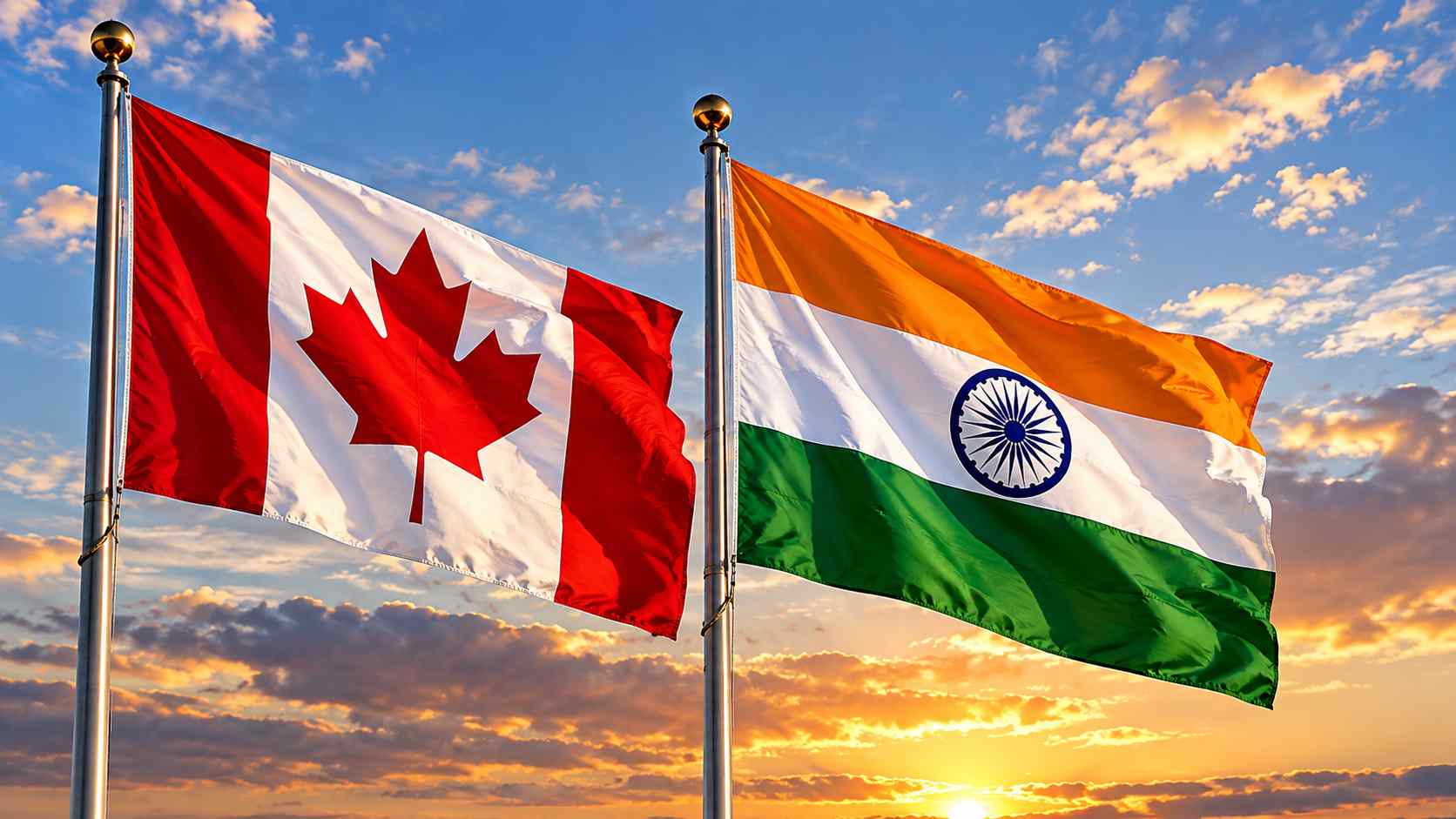
Canada and India are moving into another important stage of negotiations on a proposed Comprehensive Economic Partnership Agreement, with the fifth negotiating round scheduled for October 5 to 9, 2026.
Global Affairs Canada said International Trade Minister Maninder Sidhu met India’s Commerce and Industry Minister Piyush Goyal on the margins of the G20 Trade Ministers’ Meeting in Milwaukee, Wisconsin. The ministers reviewed progress on the CEPA negotiations and discussed the next stage of the process.
Sidhu also emphasized the importance of working toward a mutually beneficial agreement by the end of 2026. The latest meeting follows discussions between the two ministers in Mumbai in September, where Canada and India continued efforts to advance their trade and investment relationship.
Trade and Investment Are Central to the Talks
The proposed CEPA is intended to create a broader framework for economic relations between the two countries. Negotiations cover trade in goods, services and other policy areas agreed by both sides.
According to Global Affairs Canada, two-way trade in goods and services between Canada and India reached $30.4 billion in 2025. Merchandise trade accounted for $13.6 billion of that total. Canada has also stated an objective of doubling two-way trade with India to $70 billion annually by 2030 as part of its broader effort to diversify export markets beyond the United States.
The negotiations therefore have implications beyond tariffs. Market access, investment opportunities, supply chains and commercial partnerships are all part of the broader economic relationship being developed between the two countries.
Canadian Trade Mission Planned for October
The two ministers also discussed the upcoming Team Canada Trade Mission to India, scheduled for October 12 to 17.
Global Affairs Canada said the mission is expected to create new opportunities and expand commercial ties between Canadian and Indian businesses. Canada has identified India as an important market under its Indo-Pacific Strategy, particularly as the country looks to strengthen trade relationships across the region.
Earlier Canadian government statements have highlighted sectors including clean energy, critical minerals, agri-food, advanced manufacturing, digital technologies and skills development as areas with potential for deeper cooperation.
India and Canada Continue Economic Engagement
The latest discussions also come after the formal launch of the CEPA process earlier in 2026. India and Canada signed the terms of reference for the negotiations in March, establishing the framework for discussions covering goods, services and other mutually agreed policy areas.
India's Commerce Ministry has separately confirmed that Piyush Goyal held bilateral discussions with Canada's trade minister during the G20 Trade Ministers’ Meeting in Milwaukee. This provides confirmation from both governments that the trade relationship remained part of the ministers' bilateral agenda during the meeting.
TwikUp's Perspective
The next few weeks will provide a clearer view of how quickly Canada and India can translate renewed diplomatic engagement into concrete commercial arrangements. The October negotiating round will be followed closely by Canada's trade mission, creating two connected opportunities for governments and businesses to advance the relationship.
For businesses, the significance will depend on the details eventually agreed under the CEPA, including market access and the treatment of specific sectors. Until negotiations are completed, the final terms remain subject to further discussions between the two governments.
For Canadian companies looking toward faster-growing international markets, the developments show that India remains part of Canada's broader trade diversification strategy. For Indian businesses, the negotiations could establish a more structured framework for commercial engagement with Canada if an agreement is ultimately concluded.