
Key Takeaways
- The United States removed Syria from the State Sponsors of Terrorism list on August 24, 2026, after the required congressional review period ended.
- The designation had been in place since December 29, 1979.
- The move is expected to remove a major obstacle to investment and support Syria's economic recovery and reconstruction.
U.S. Removes Syria From Terrorism List After 47 Years
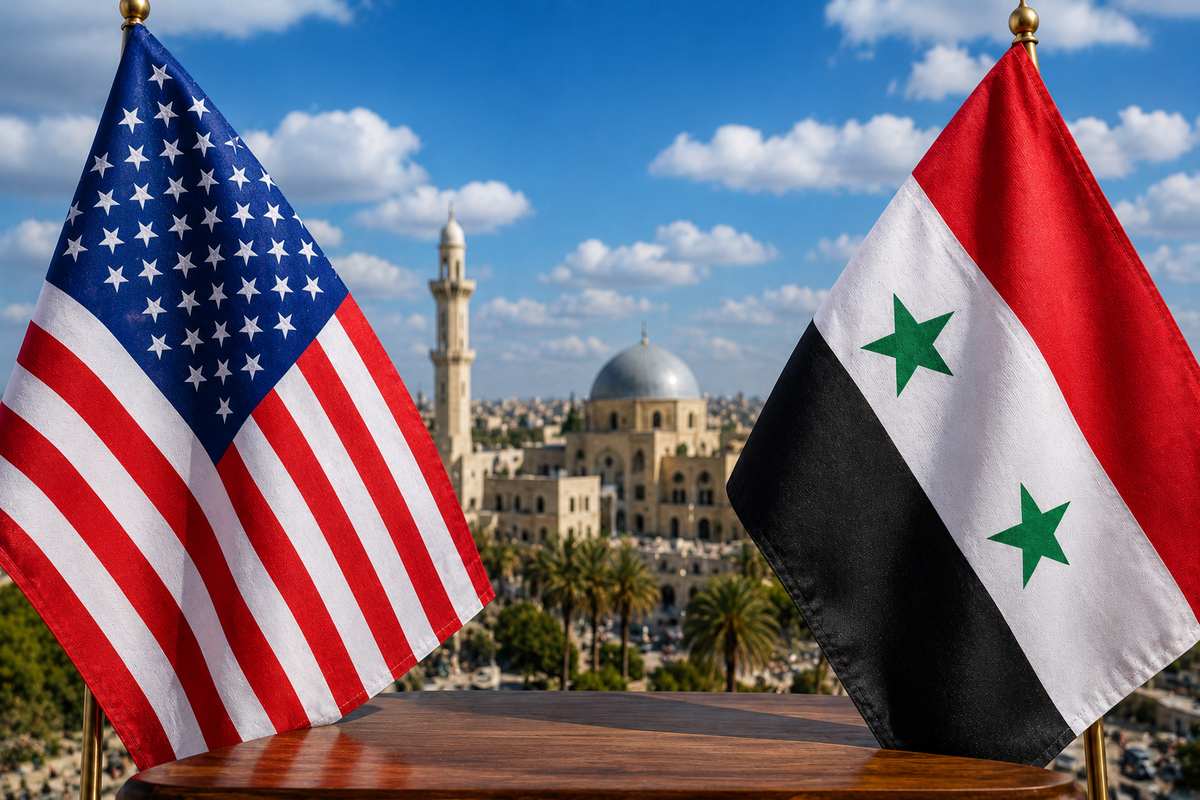
The United States has officially removed Syria from its State Sponsors of Terrorism list, ending a designation that had remained in place since December 1979.
The decision marks a major change in U.S.-Syria relations and could create new opportunities for investment, trade and economic cooperation as Syria works to rebuild after years of conflict.
The move took effect after the completion of a 45-day congressional review period.
What Happened?
The U.S. State Department formally rescinded Syria's designation as a State Sponsor of Terrorism on August 24, 2026.
The designation had subjected Syria to restrictions affecting U.S. foreign assistance, defense exports and certain financial transactions.
The U.S. Treasury also updated its sanctions regulations following the decision.
Why Was Syria on the Terrorism List?
Syria was designated a State Sponsor of Terrorism on December 29, 1979.
The designation was based on the U.S. government's assessment of Syria's support for terrorist organizations and other activities considered to threaten U.S. and international security.
The designation remained in place for nearly 47 years.
What Does the Removal Mean?
Removing Syria from the list eliminates restrictions specifically connected to its State Sponsor of Terrorism designation.
This could make it easier for certain forms of international economic activity involving Syria to expand.
However, the removal does not mean that every U.S. sanction connected to Syria has disappeared. Separate sanctions and restrictions can continue to apply to specific individuals, organizations and activities.
Could the Decision Attract Investment?
The removal could help reduce one of the major barriers facing international investors interested in Syria.
Syrian officials have described the decision as an important step toward reconnecting the country with the global financial and economic system.
The move could support investment related to reconstruction, infrastructure and other parts of Syria's economy.
Why Is Reconstruction Important?
Syria is seeking to rebuild after more than a decade of conflict and severe economic disruption.
Greater access to international financial and commercial networks could make it easier for companies and investors to explore opportunities connected with reconstruction.
The U.S. Treasury has previously said that sanctions relief could help reconnect Syria's economy with global commerce and support rebuilding efforts.
What Happened to the Nusrah Front Designation?
Alongside Syria's removal from the State Sponsors of Terrorism list, the United States also revoked the designation of the Nusrah Front, also known as Hay'at Tahrir al-Sham, as a Specially Designated Global Terrorist organization.
The group was formerly led by Ahmed al-Sharaa, who is now Syria's president.
The change is part of the broader U.S. policy shift toward Syria's new government.
What Has Syria Said?
Syrian officials welcomed the U.S. decision.
Foreign Minister Asaad al-Shibani described the removal as a historic milestone and said the decision could support Syria's economic recovery, reconstruction and broader cooperation with Washington.
The Syrian government has presented the move as an important step toward ending the country's international isolation.
What Does This Mean for U.S.-Syria Relations?
The decision represents a significant shift in the relationship between Washington and Damascus.
The United States had maintained the terrorism designation for decades, while relations remained heavily affected by Syria's former government and the country's long-running conflict.
The latest decision indicates that Washington is taking a different approach toward Syria's current government under President Ahmed al-Sharaa.
Will All Sanctions on Syria Disappear?
No.
The removal from the State Sponsors of Terrorism list should not be confused with the removal of every Syria-related restriction.
The U.S. government can continue to impose targeted sanctions on specific individuals, entities or activities under other authorities.
For businesses and investors, the exact rules applicable to individual transactions will therefore remain important.
What Happens Next?
The next phase will likely focus on how Syria uses the increased economic and diplomatic space created by the decision.
International companies and financial institutions will be watching the country's political stability, regulatory environment and reconstruction opportunities.
The Syrian government will also need to continue working with international partners to improve economic conditions and strengthen relations.
Why Does This Matter Globally?
Syria's removal from the U.S. terrorism list could influence economic relationships across the Middle East.
Countries and companies considering investment or reconstruction projects may see fewer obstacles connected specifically to the former designation.
The decision could also strengthen Syria's efforts to reconnect with international financial and commercial networks.
TwikUp Insight
The removal of Syria from the U.S. State Sponsors of Terrorism list is one of the most significant changes in Washington's policy toward Damascus in decades.
After nearly 47 years, the designation has ended following the required congressional review.
The immediate significance goes beyond diplomacy. The decision could create more room for investment, reconstruction and international economic engagement.
However, businesses should distinguish this change from broader U.S. sanctions that may still apply to specific people, entities or activities.