
Key Takeaways
- The grace period is connected to your billing cycle and payment due date, not simply the day you make a purchase.
- Paying the minimum amount does not normally protect you from purchase interest. You generally need to clear the full statement balance.
- Cash advances and balance transfers often follow different interest rules, so check the card agreement before using these features.
What Is a Credit Card Grace Period?
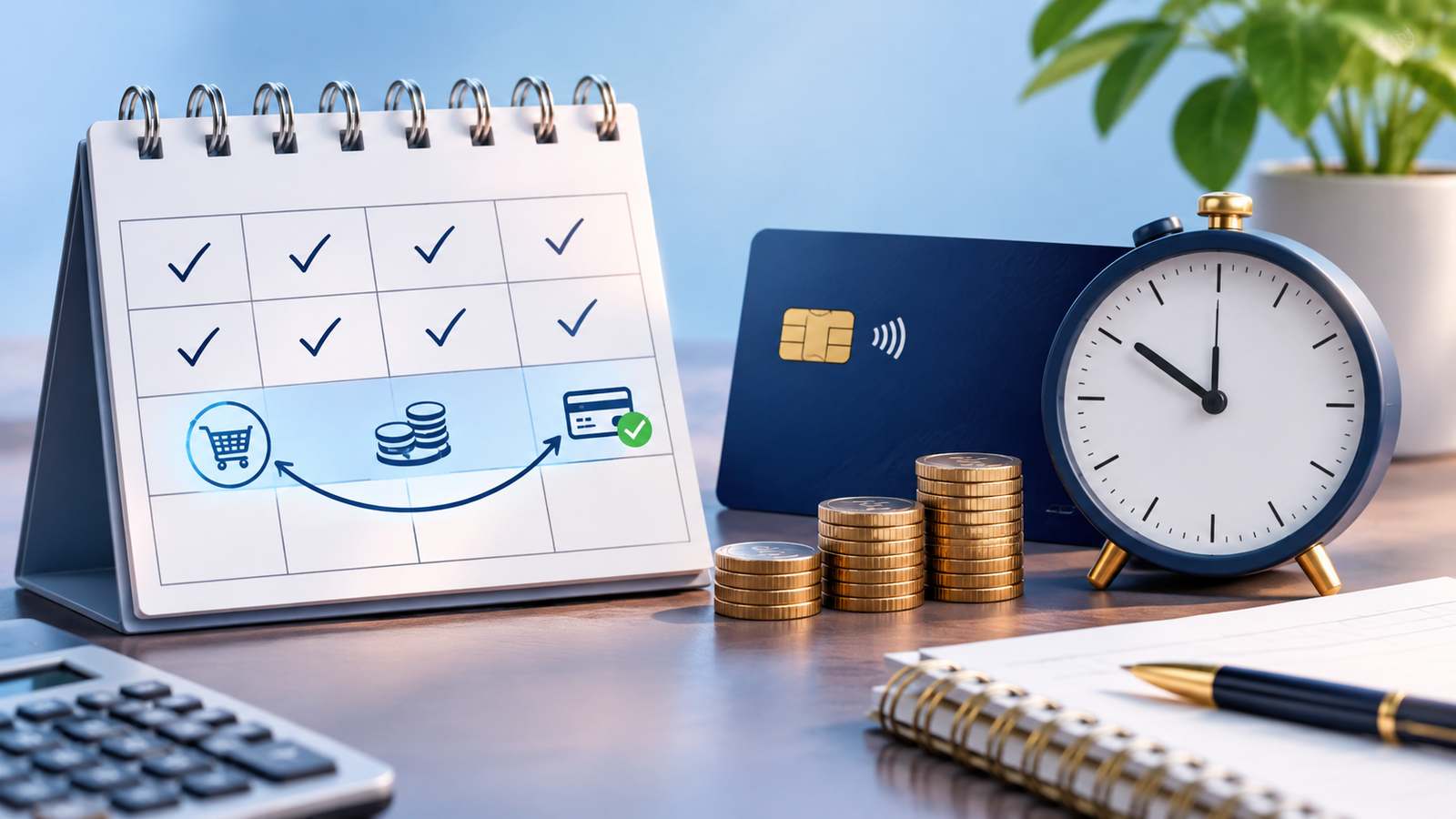
A credit card grace period is the time between the end of a billing cycle and the payment due date during which eligible purchases can be paid without interest. If your card offers this feature and you meet its conditions, you can use the card for everyday spending without paying purchase interest, provided you clear the required statement balance by the deadline.
The grace period is not the same as the time between buying something and paying for it. It is tied to your statement cycle, and the exact dates depend on your card agreement.
How Does the Grace Period Work?
Your issuer sets a billing cycle, such as September 1 to September 30. At the end of that period, it prepares a statement showing the purchases, payments, credits and statement balance. The payment due date comes later.
For example, assume your September statement closes on September 30 and the due date is October 21. If you have an eligible grace period, paying the full statement balance by October 21 can prevent interest on the purchases included in that statement. A purchase made on September 2 and one made on September 28 may appear on the same statement and share the same due date.
That is why a purchase made just after a billing cycle closes may have longer before its payment is due than one made just before the closing date. The actual number of days is not guaranteed, so check the dates on your statement rather than relying on a marketing phrase such as “up to” a certain number of interest-free days.
What Balance Must You Pay to Avoid Interest?
In most ordinary purchase-grace-period arrangements, paying only the minimum payment is not enough to avoid purchase interest. You generally need to pay the full statement balance by the due date. The minimum payment keeps the account from being treated as unpaid under the agreement, but it does not preserve the interest-free benefit.
Do not confuse the statement balance with the current balance shown in your banking app. The current balance may include purchases made after the statement closed. Those newer transactions usually belong to the next billing cycle. Check your issuer’s instructions to confirm the amount required to preserve the grace period.
Canada and the United States: What Is Different?
In Canada, federally regulated financial institutions must provide an interest-free grace period of at least 21 days for purchases. The period begins at the end of the billing period. It does not apply to cash advances, cash-like transactions or balance transfers. Paying the full balance by the due date is necessary to avoid interest on eligible purchases.
In the United States, federal law does not require every credit card to offer a grace period. Many cards do, but the card agreement determines whether one is available and the conditions for keeping it. If a grace period is offered, issuers must disclose its terms. The CFPB also explains that statements must generally be delivered at least 21 days before the payment due date.
These differences matter if you use cards issued in different countries. Never assume a Canadian 21-day minimum applies to a US-issued card.
Which Transactions Usually Do Not Get a Grace Period?
Cash advances commonly begin accruing interest from the transaction date, rather than waiting until the payment due date. Cash-like transactions, such as certain money orders or gambling-related transactions, may be treated similarly. Balance transfers also commonly fall outside the purchase grace period, although promotional rates and fees may apply.
Read the card agreement before using a card for these transactions. A promotional 0% balance-transfer offer does not automatically make new purchases interest-free. Carrying a transfer balance can affect whether the purchase grace period applies.
What Happens If You Do Not Pay the Full Statement Balance?
If you pay less than the full required balance, you may lose the grace period. Interest can then apply to the unpaid amount, and new purchases may begin accruing interest from their transaction dates. The exact process for restoring the grace period depends on the card agreement. Some issuers require full payments for more than one billing cycle.
Interest may be calculated daily, often using an average daily balance method. This means carrying a balance can make new purchases more expensive than their sticker price suggests. Check your statement for the applicable annual interest rate, balance categories and interest calculation method.
How Can You Use the Grace Period Without Getting Caught Out?
Set an automatic payment for the full statement balance if your cash flow allows it, and keep enough money in the linked account to cover the withdrawal. Set a reminder several days before the due date so you can check for unexpected charges or payment issues.
Review the statement closing date and payment due date each month. Avoid treating the credit limit as extra income, and do not use a cash advance simply because you have available credit. If you cannot pay the full balance, prioritize at least the minimum by the deadline and make a plan to reduce the remaining debt.
TwikUp's Perspective: Treat the Grace Period as a Payment System, Not Free Money
A grace period works best when it supports spending you have already budgeted for. It can give you time to organize cash flow, but it does not make a purchase more affordable. A person who spends more because the payment is weeks away is simply moving the financial pressure into the next month.
Before relying on the benefit, test your routine: can you set aside the purchase amount, monitor the statement and pay the full balance on time? If not, using a debit card or reducing credit card spending may be safer. The real advantage is not borrowing for longer. how stock liquidity, trading volume and bid-ask spreads affect investors. It is using the card’s payment window while keeping interest out of the equation.
Disclaimer
This article is for educational purposes only and does not constitute personalized financial advice. Credit card terms, interest rates and grace-period conditions vary by issuer and country. Always review your cardholder agreement and latest statement before making payment decisions.