
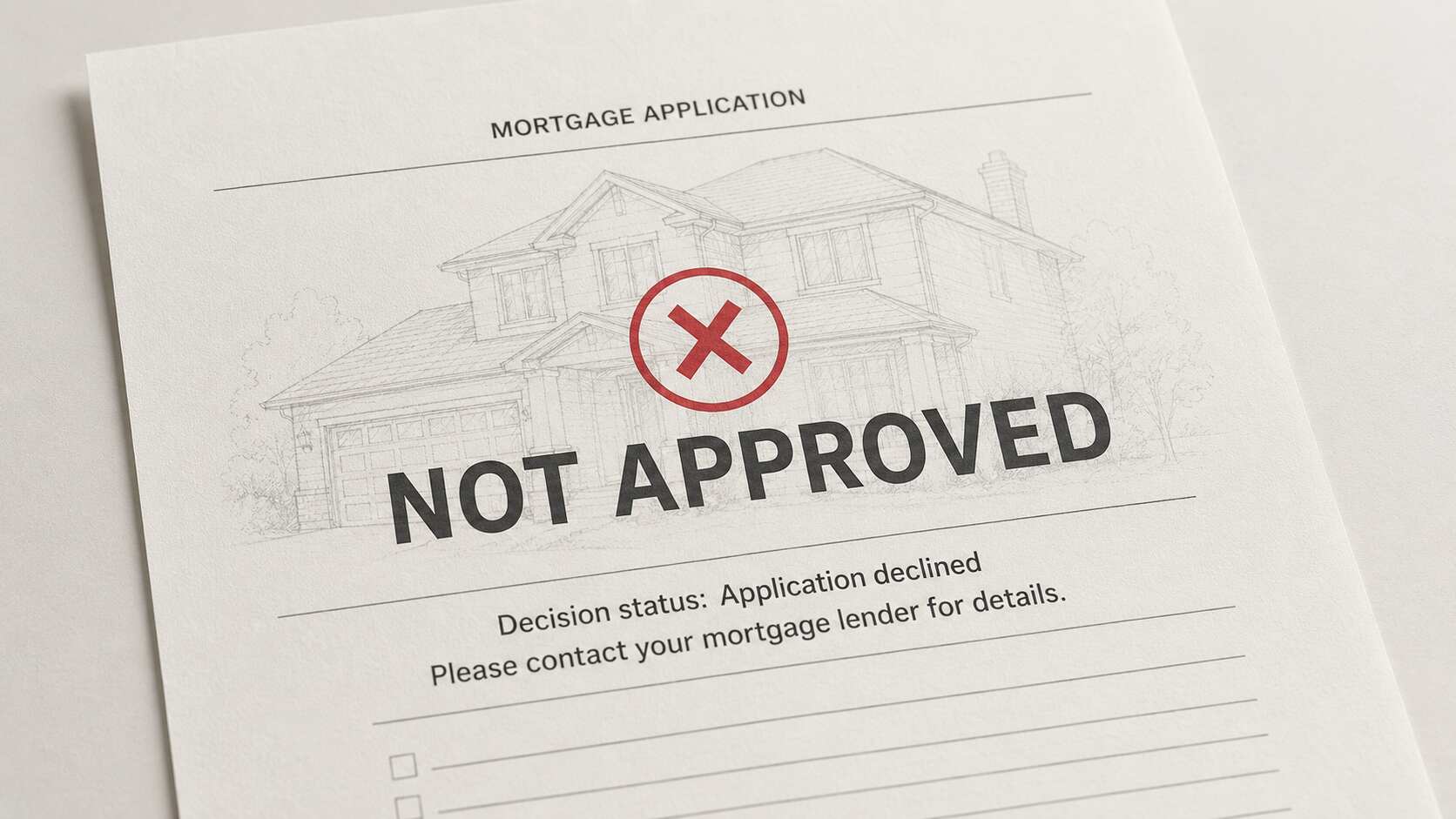
A mortgage pre-approval is useful, but it is not final approval and does not guarantee that a mortgage will fund in Canada. Before closing, the lender may need to confirm the buyer’s current finances, the down payment and the property’s value or suitability under its lending standards.
Consider this illustrative scenario: a buyer is pre-approved for a mortgage up to $600,000, then makes a winning offer on a $650,000 home. The celebration is real—but so is the work still ahead. The lender now has a live purchase file to assess. A job change, new debt, incomplete records or a property value that does not support the requested mortgage can change the outcome.
The practical rule is simple: until the lender confirms its requirements are met and the mortgage is ready to close, keep your finances steady and get the remaining conditions in writing.
What mortgage pre-approval actually tells you
The Financial Consumer Agency of Canada (FCAC) says a pre-approval can help you learn the maximum mortgage you may qualify for, estimate payments and, depending on the lender, lock in a rate for 60 to 130 days. It is a planning tool—not a promise to lend.
During pre-approval, a lender or broker may review your income, assets, debts and credit. But the eventual mortgage amount also depends on the home’s value and your down payment. Lenders use different definitions and criteria for terms such as prequalification, preauthorization and pre-approval, so do not assume two lenders mean the same thing.
A pre-approved amount is also a ceiling, not necessarily a comfortable spending target. You still need cash for closing, moving and ongoing maintenance. Before setting your offer price, compare mortgage payments at several Canadian home prices.
Final approval is not one universal label
There is no single Canada-wide lender definition of “final approval.” In practice, buyers should focus less on the label and more on the written status of the file.
Ask whether the lender has approved the mortgage for the specific property and whether any conditions remain. A lender may use wording such as “approved subject to conditions.” That is progress, but it is not the same as every condition being satisfied.
| Stage | What it can mean | What to confirm |
|---|---|---|
| Pre-approval | A possible borrowing limit and perhaps a rate hold | Its expiry date and what was reviewed |
| Property-specific approval | The lender has assessed the purchase file | Any outstanding conditions |
| Ready to close | The lender’s requirements are complete | Closing instructions and timing with your lawyer |
The phrase that matters most is the one after “subject to.” If the file is subject to appraisal, income verification or proof of down payment, those are still decisions waiting to be completed.
Your financial picture can change before closing
Mortgage underwriting is based on the borrower’s ability and willingness to repay. For federally regulated financial institutions, OSFI’s Guideline B-20 calls for reasonable review of borrower background, credit history, income verification, debt obligations and supporting documentation. It also says lenders should review relevant borrower and property factors when conditions or property risk change materially.
That does not mean every change automatically ends an approval. It does mean a change can require updated documents or affect the lender’s decision.
Before closing, avoid taking on debt you do not need. A car loan, line-of-credit draw or large credit-card balance can add obligations to the financial picture reviewed for the mortgage. Similarly, tell the lender or broker promptly if you change employers, move from salary to commission-based pay, reduce hours, become self-employed or experience an income interruption.
If credit history is already a concern, this guide on getting a mortgage with bad credit in Canada explains the broader qualification issues to discuss with a lender or broker.
The property must work for the lender too
A buyer can qualify personally and still face a property issue. FCAC notes that, before approving a mortgage, a lender verifies that the home meets its standards; those standards vary by lender.
Property value is central because it helps determine the mortgage amount offered. CMHC explains that value is a current-market snapshot informed by features such as location, size, age, quality and comparable sales.
Return to the illustrative $650,000 purchase. If an appraisal or property assessment does not support the mortgage amount the buyer expected, the lender may not offer that amount. CMHC advises buyers in this position to speak with the lender and real estate agent about options. The key takeaway is not that every appraisal shortfall kills a deal; it is that the winning bid does not itself establish the lender’s value for financing.
Down-payment proof is part of the decision
CMHC identifies missing or incomplete information as the most common reason mortgage and pre-approval applications are delayed. That is why a lender may ask for more than a pay stub and a bank balance.
Commonly requested records can include identification, proof of employment and income, recent bank or investment statements, details of debts, the signed offer to purchase and property information. The lender needs to understand both the amount and source of the down payment.
For a family gift, CMHC says the buyer may need a signed letter confirming the gift’s purpose and that it is non-repayable. Keep requested account records complete and readable. A clear document package is more useful than a stream of uncategorized screenshots sent shortly before a financing deadline.
A closing-protection plan for buyers
The quiet period between an accepted offer and closing is not boring paperwork. It is the point at which a preliminary borrowing estimate becomes a transaction tied to a real home, a real down payment and your current financial circumstances.
Use this checklist:
- Get the status in writing. Ask what has been approved, what conditions remain and when each item is due.
- Keep spending and borrowing stable. Avoid unnecessary new credit or large financed purchases before closing.
- Report material changes quickly. Contact the lender or broker if employment, income, debt or down-payment arrangements change.
- Organize source documents. Keep current income records, statements, purchase documents and any gift letter available.
- Check the property review. Ask whether an appraisal, insurance confirmation or property document is still outstanding.
- Leave budget room. Do not use every available dollar on the purchase price when closing, moving and maintenance costs remain.
- Coordinate the deadline. Make sure your lender or broker, real estate agent and lawyer know the financing and closing dates.
One message can cut through the uncertainty: “Has the mortgage been approved for this property, and what must still be satisfied before closing?” The response gives you a more useful answer than the word “pre-approved” ever can.
This article is general information for Canadian home buyers, not individualized mortgage or legal advice. Lender requirements, mortgage products and provincial processes vary.
Frequently asked questions
Is a mortgage pre-approval guaranteed in Canada?
No. FCAC says pre-approval does not guarantee mortgage approval. The eventual decision can depend on the property’s value, your down payment, your financial information and the lender’s lending policies.
Can a lender decline a mortgage after pre-approval?
Yes. FCAC says a lender could refuse a mortgage even after pre-approval. Reasons can include a property that does not meet the lender’s standards, poor credit history or a completed application that no longer supports the requested mortgage.
Does changing jobs before closing affect mortgage approval?
It may. Employment and verified income are part of mortgage underwriting. Tell the lender or broker about a planned or unexpected change so they can say what updated information is needed.
What happens if the appraisal is below the purchase price?
The appraisal may not support the mortgage amount you expected. CMHC recommends discussing the available options with your lender and real estate agent.
Sources
- Financial Consumer Agency of Canada — Getting preapproved for a mortgage
- Office of the Superintendent of Financial Institutions — Residential mortgage underwriting practices and procedures, Guideline B-20
- Canada Mortgage and Housing Corporation — Mortgage Application Tips
- Canada Mortgage and Housing Corporation — Your home value