
Key Takeaways
- Two linked Ontario trials tested giving sepsis patients antibiotics and extra IV fluids in the ambulance — neither improved survival.
- Hospital mortality was about 18% whether patients got the early treatments or not.
- The results cover suspected sepsis, not septic shock, and the trials may have missed small mortality differences.
Two treatments, started earlier — and no difference in who survived
Ontario paramedics gave suspected sepsis patients antibiotics and extra IV fluids in the ambulance, hours earlier than they would have received them in hospital. It did not save more lives.
Two linked trials published in JAMA on November 24 — together called PITSTOP — enrolled patients across four Ontario paramedic services between March 2020 and August 2025. In both trials, hospital mortality sat at about 18% either way.
Antibiotics three hours earlier changed nothing
In the antibiotics trial, 2,048 patients were analyzed. Paramedics gave one group 1 gram of ceftriaxone by injection in the ambulance; the other group got a placebo. The antibiotic group got its drug about three hours earlier than hospital care would have delivered it.
Hospital mortality was 18.0% with ceftriaxone against 18.4% with placebo — a difference the researchers called not statistically significant. Drug-related side effects were more common with the antibiotic, at 6.2% versus 1.5%.
Extra fluids didn't help either
In the fluids trial, 1,646 patients were analyzed. One group received liberal IV fluids — up to 2 litres of saline in the ambulance — while the other got fluids only when blood pressure fell below a set threshold.
Mortality was 18.0% with liberal fluids against 18.3% with usual care. Again, no significant difference.
What this means for sepsis care
The trials tested suspected sepsis — a suspected infection plus fever and low blood pressure — not septic shock, and the researchers note the studies may have missed small mortality differences. But the message is clear: starting these treatments in the ambulance, rather than in the emergency department, was not enough to change outcomes.
A note on what this study does — and doesn't — show
These were randomized trials of suspected sepsis in adults treated by Ontario paramedics, and the findings apply to that group. They do not show that antibiotics or fluids are useless in sepsis — both remain standard hospital care. If you or someone near you shows signs of a serious infection, call for help right away; early hospital treatment still matters.
The Twikup Take
Earlier sounds like it should be better — and in sepsis, where every hour matters, it was a reasonable bet. The Ontario trials say the bet was wrong: the ambulance is not where this battle is won. The next question is what actually moves that stubborn 18%.
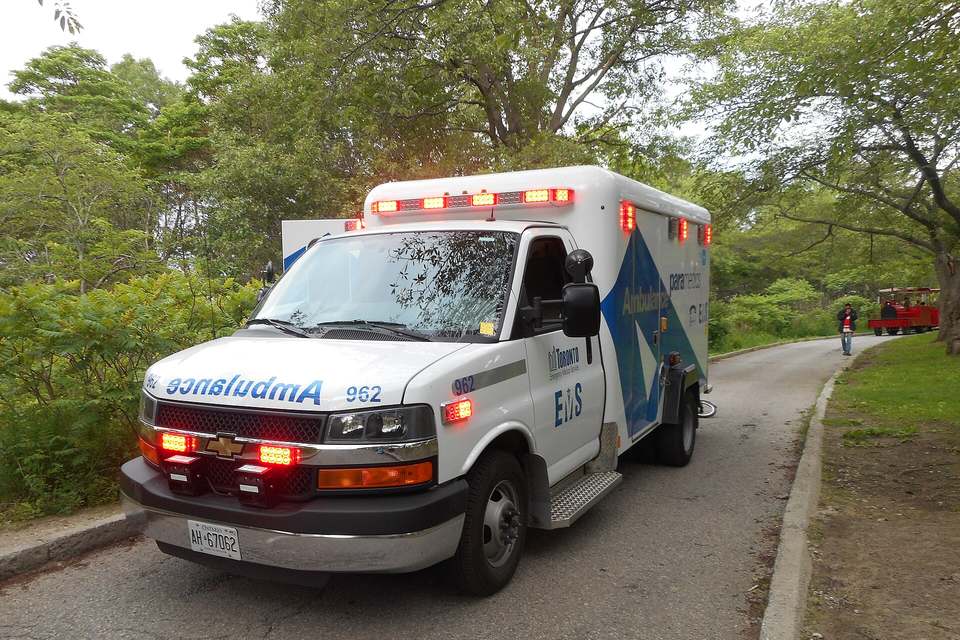
Image: Toronto Paramedic Services Ambulance by Hillelfrei, CC BY-SA 4.0. (https://commons.wikimedia.org/wiki/File:Toronto_Paramedic_Services_Ambulance.jpg, https://creativecommons.org/licenses/by-sa/4.0)