
Key Takeaways
- UBC researchers found two mutations in the H5N1 surface protein from Canada’s first human case that weakened its ability to bind to human cell receptors.
- The mutated protein could still trigger membrane fusion in human lung cells, although less efficiently than other H5N1 strains tested.
- The study highlights how genetic surveillance and laboratory testing can work together to better understand mutations in emerging viruses.
UBC Study Reveals New Clues From Canada’s First Human H5N1 Case
Canada’s first human H5N1 case has provided researchers with new information about how specific viral mutations affect the ability of avian influenza viruses to interact with human cells. Researchers at the University of British Columbia studied two unusual mutations identified in the virus from a B.C. teenager who became critically ill in November 2024.
Two Mutations Weakened Human Cell Binding
The two mutations occurred in the virus’s surface protein, which plays an important role in attaching to cells. Because changes in this region can potentially influence how animal viruses adapt to humans, the mutations attracted scientific attention.
UBC researchers used cryo-electron microscopy to examine the structure of the mutated protein at near-atomic detail. They also tested how the mutations affected the protein’s ability to bind receptors found on human and bird cells.
The results, published in Nature Communications, showed that the mutations actually weakened the virus’s ability to bind to human cells. This finding challenged concerns that the mutations necessarily represented an improvement in the virus’s ability to infect humans.
Researchers Examined What Happened After Binding
The study also investigated another stage of infection. After a virus attaches to a cell, it needs to fuse with the cell membrane so its genetic material can enter the cell.
Tests using human lung cells showed that the mutated protein could still trigger this membrane-fusion process. However, it did so less efficiently than other H5N1 strains examined by the researchers.
This helped explain why the presence of mutations that weakened receptor binding did not necessarily mean the virus could not infect human cells.
Why Genetic Surveillance Is Only One Part of the Picture
The findings underline an important distinction in infectious disease research. Genetic sequencing can quickly identify mutations, but identifying a mutation does not automatically reveal what that mutation will do.
In this case, the genetic changes initially raised questions because they occurred in a part of the virus involved in interaction with human cells. Laboratory experiments provided additional information by showing that the mutations weakened receptor binding while leaving another infection-related function intact.
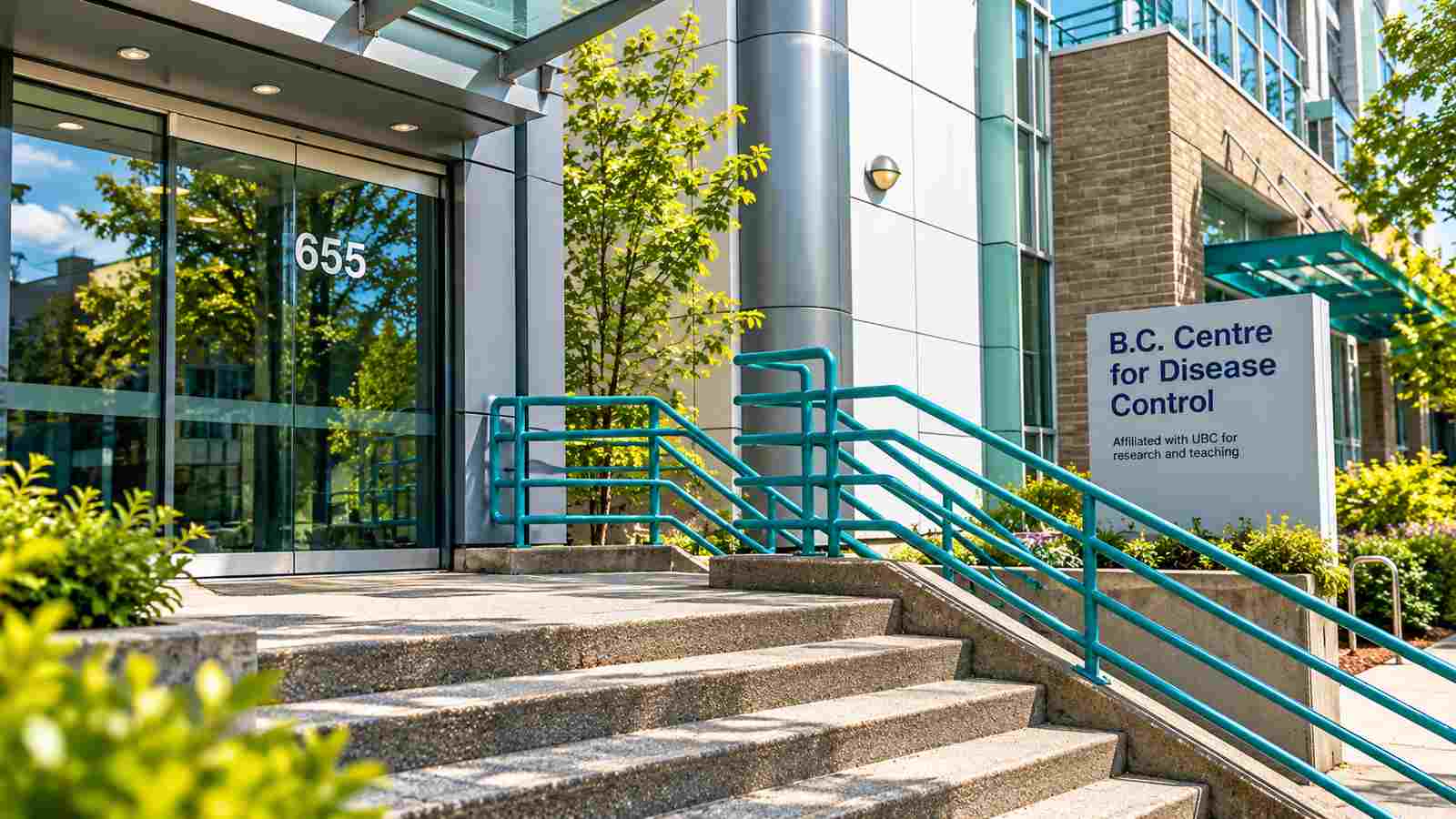
The research involved collaboration with scientists at the B.C. Centre for Disease Control, which had sequenced virus samples from the patient and shared the genetic information with the research community.
TwikUp’s Perspective
The significance of this study extends beyond one H5N1 case. It demonstrates why emerging-virus surveillance increasingly requires both rapid genetic sequencing and laboratory investigation.
A mutation can appear important from a genetic perspective without producing the biological effect researchers initially expect. Understanding that difference can help scientists interpret unusual viral changes more accurately and identify which findings require closer investigation.
For public health research, the broader lesson is that surveillance works best when genetic information can be connected with experimental evidence about how a virus behaves.
What the Study Adds to H5N1 Research
The research does not show that H5N1 has become harmless or eliminate concerns about its potential to infect humans. Instead, it provides a more detailed understanding of how particular mutations from one documented human case affected viral functions.
UBC researchers say stronger understanding of viral behaviour can help scientists and public health officials assess emerging risks and prepare for future infectious disease threats. The patient from the 2024 B.C. case also recovered.