
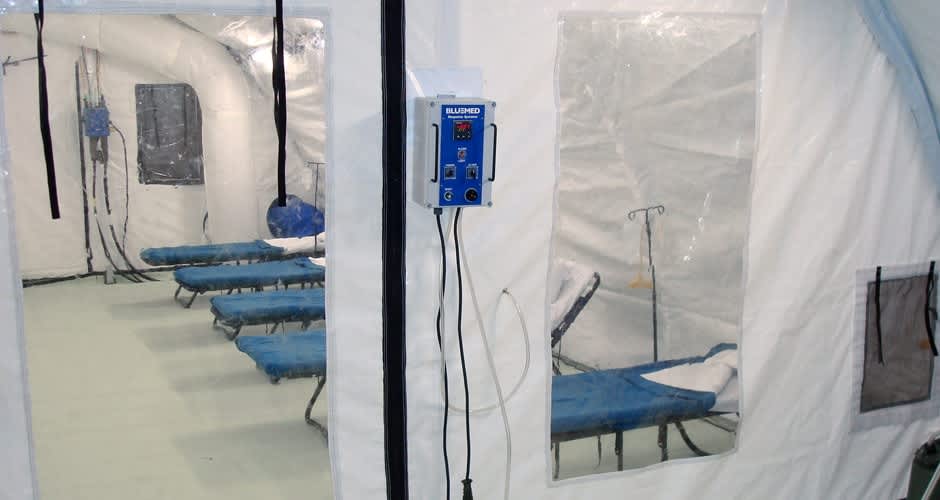
Health officials are warning that the Ebola outbreak in Central Africa is still expanding, with cases reported in both the Democratic Republic of the Congo and Uganda. The World Health Organization says the situation remains serious as teams race to contain spread in multiple health zones and prevent the outbreak from widening further.
What Happened
The latest WHO regional update says the Democratic Republic of the Congo has reported 321 confirmed Ebola cases and 48 deaths, while Uganda has reported 9 confirmed cases and 1 death. Health officials say the outbreak is affecting 23 health zones across Ituri, North Kivu, and South Kivu, showing that transmission has not remained limited to one small area.
The outbreak is being closely tracked because it involves Bundibugyo virus disease, a rare strain that has raised concern among public-health officials. As the outbreak expands, the main challenge is identifying cases quickly enough to stop further spread.
Why It Matters
The outbreak matters because Ebola can become much harder to control once it spreads across multiple districts or crosses borders. Even when the general public risk remains low outside affected regions, the disease can still overwhelm local hospitals, delay treatment, and increase pressure on health workers.
It also matters because outbreaks like this can evolve quickly. The current numbers suggest the situation is still active, not contained, which means officials must keep working on isolation, contact tracing, and community response at the same time.
What Health Officials Are Doing
WHO and regional health authorities are focusing on finding new cases, tracing contacts, and isolating patients as early as possible. The goal is to stop transmission chains before they spread to more communities.
Public-health teams are also working with local leaders to improve awareness and encourage faster reporting of symptoms. In Ebola outbreaks, speed matters because even short delays can give the virus time to move through families, care centers, and neighboring areas.
What People Should Know
For most people outside the affected region, the direct risk remains low. But the outbreak is still serious enough to follow closely because the numbers continue to change and the geographic footprint is growing.
Symptoms can include fever, weakness, vomiting, diarrhea, and bleeding in severe cases. People in affected areas are generally advised to avoid contact with sick individuals, follow local health guidance, and seek medical help quickly if symptoms appear.
What Happens Next
The next few weeks will be critical for determining whether the outbreak can be slowed or whether it spreads further. Health officials will be watching new case counts, the pace of contact tracing, and whether hospitals can isolate patients quickly enough.
Another key indicator is whether case numbers continue rising in Uganda or move into additional health zones in the DRC. If containment holds, the outbreak may remain regionally concentrated. If not, public-health agencies may need to escalate their response again.