
Alberta cannot simply vote to leave Canada and become an independent country overnight. Under Canada's constitutional framework, a referendum supporting separation would be only the beginning of a long political and legal process involving Parliament, other provinces, Indigenous nations, and the courts. The current debate is therefore less about a single vote and more about what happens afterward.
What Is Alberta's Separation Debate?
The debate centres on whether Alberta should remain part of Canada or pursue greater autonomy, including the possibility of eventual independence.
Supporters argue that Alberta has long faced frustrations over federal policies, energy regulation, and its role within Confederation. Critics warn that separation would create significant economic, legal, and constitutional uncertainty.
The issue has gained renewed attention following plans for a referendum that would ask Albertans whether they wish to remain in Canada or move toward a future binding vote on separation.
Why Is This Issue Being Discussed Now?
The immediate trigger is Alberta's proposed referendum process.
Although Premier Danielle Smith has repeatedly stated that she supports Alberta remaining within Canada, the referendum has reopened long-standing debates about provincial autonomy and federal authority.
The controversy has expanded beyond provincial politics because First Nations leaders, opposition parties, constitutional experts, and other provincial governments have all raised concerns about the legal implications of such a vote.
The discussion is no longer confined to Alberta. It has become a national constitutional debate.
The Historical Roots of Alberta's Place in Confederation
Understanding the issue requires looking at Canada's constitutional history.
- Alberta became a province in 1905.
- The province entered Confederation under Canada's constitutional framework.
- Several treaties covering Alberta were signed before the province was created.
- Constitutional authority is divided between provincial and federal governments.
- Major constitutional changes generally require broad agreement across Canada.
Unlike ordinary provincial legislation, separation would fundamentally alter the country's constitutional structure.
That distinction is why constitutional experts view the issue differently from a typical provincial policy dispute.
Can Alberta Legally Leave Canada?
The short answer is yes, but not unilaterally.
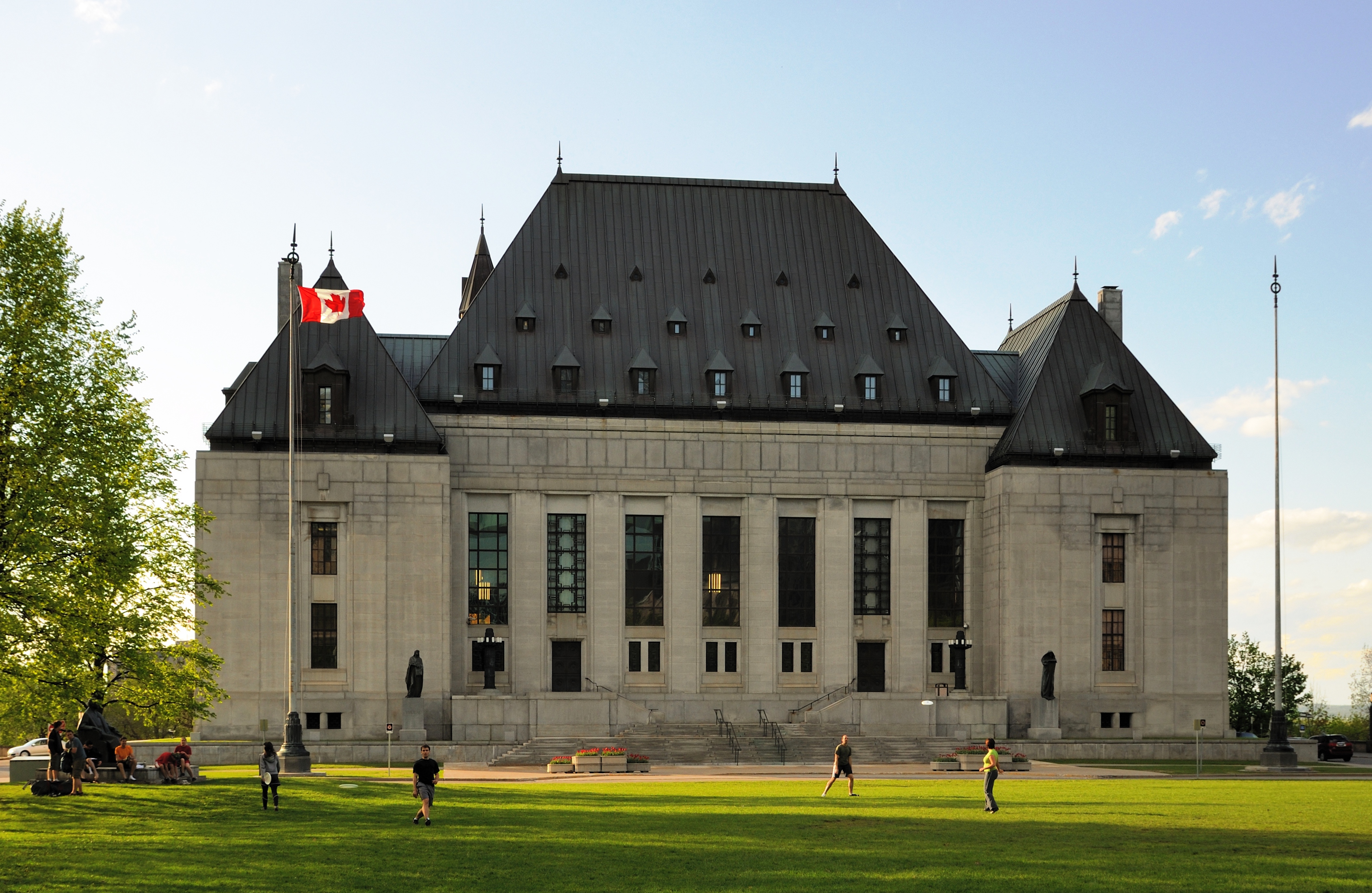
The most important legal authority is the Supreme Court of Canada's 1998 decision in the Reference re Secession of Quebec.
The Court concluded that no province has a unilateral constitutional right to secede from Canada.
However, it also ruled that a clear majority voting in favour of separation on a clear question would create a constitutional obligation for negotiations.
This means a successful referendum would not automatically create an independent Alberta.
Instead, it would begin negotiations.
What Is the Clarity Act?
The federal government passed the Clarity Act in 2000 following the Supreme Court ruling.
The law gives the House of Commons authority to determine whether:
- A referendum question is sufficiently clear.
- A referendum result represents a clear expression of public will.
The legislation deliberately avoids setting a specific percentage threshold.
Instead, Parliament would assess the circumstances of the vote before deciding whether negotiations should proceed.
As a result, even a referendum victory would not automatically trigger independence.
What Would Negotiations Involve?
If Albertans voted in favour of separation and the result was deemed sufficiently clear, negotiations would likely become one of the most complex political processes in Canadian history.
Issues could include:
- Constitutional amendments
- Division of federal assets
- Division of federal debt
- Citizenship rights
- Trade arrangements
- Borders
- Currency systems
- Defence responsibilities
- International treaties
- Indigenous rights and treaties
Because these matters affect all Canadians, negotiations would extend far beyond Alberta and Ottawa.
Other provinces would almost certainly become involved.
Why Are First Nations Opposing the Referendum?
One of the most significant challenges involves treaty rights.
Many Indigenous leaders argue that Alberta cannot make decisions affecting treaty territories without meaningful consultation and consent.
Their position is based on the fact that treaties such as Treaty 6, Treaty 7, and Treaty 8 were signed before Alberta became a province.
These agreements are constitutionally protected and exist independently of provincial governments.
First Nations leaders argue that any attempt to change Alberta's constitutional status could affect treaty relationships, land rights, governance arrangements, and obligations owed by the Crown.
As a result, they believe Indigenous nations must play a central role in any separation discussions.
What Are Treaties 6, 7, and 8?
Much of Alberta falls within territories covered by historic numbered treaties.
Treaty 6 covers large areas of central Alberta, including the Edmonton region.
Treaty 7 covers southern Alberta and extends toward the United States border.
Treaty 8 spans much of northern Alberta and reaches into parts of British Columbia, Saskatchewan, and the Northwest Territories.
These treaties remain protected under Section 35 of the Constitution Act, 1982.
Their existence creates constitutional questions that would likely become central to any separation negotiations.
Common Misconceptions About Alberta Separation
Myth: Alberta can declare independence immediately.
Reality: The Supreme Court says a province cannot unilaterally leave Canada.
Myth: A referendum automatically creates independence.
Reality: A referendum would only begin negotiations.
Myth: The issue concerns only Alberta.
Reality: Parliament, other provinces, and Indigenous nations would all be involved.
Myth: Treaty rights disappear if Alberta separates.
Reality: Treaty obligations would remain a major constitutional issue.
The Biggest Arguments on Both Sides
Supporters of separation often argue that Alberta should have greater control over its resources, economy, and political future.
They believe the province contributes significantly to Canada's economy while facing federal policies that do not always reflect Alberta's priorities.
Opponents argue that separation would create economic uncertainty, constitutional disputes, and lengthy negotiations with no guarantee of a successful outcome.
They also point to unresolved questions surrounding Indigenous rights, citizenship, debt allocation, and international recognition.
Why This Matters to Ordinary Canadians
Constitutional debates can seem abstract, but their consequences would be practical.
Questions surrounding separation could affect:
- Taxes
- Trade
- Employment
- Investments
- Government services
- Energy policy
- Housing markets
- Indigenous relations
Businesses would also face uncertainty regarding regulations, market access, and future economic arrangements.
For households, the impact could extend well beyond politics.
What Happens Next?
The next major milestone is the proposed referendum process itself.
Before any separation discussions could occur, Albertans would first need to vote on the question presented to them.
If voters support separation, constitutional and political negotiations would likely follow.
If they reject the proposal, the issue could lose momentum, although debates about Alberta's role within Confederation would likely continue.
Regardless of the outcome, the controversy has already reignited broader discussions about federalism, Indigenous rights, and the future of Canada's constitutional framework.
Related Perspectives
The Clarity Act
Reference re Secession of Quebec
Treaty 6, Treaty 7, and Treaty 8
Canadian Federalism
Indigenous Treaty Rights