
Key Takeaways
- From May 1, 2027, scooter- and motorcycle-style EVs in Ontario require a licence, registration and insurance — they no longer count as e-bikes.
- True e-bikes need a bicycle frame, working pedals and a 32 km/h cap; fines for violations reach $2,500 plus impoundment.
- New classes cap weight at 55 kg (A) and 120 kg (B) and power at 500 W; riders must be 16+ and helmeted.
If it looks like a motorcycle, Ontario is about to treat it like one
Ontario is redrawing the line on electric bikes. From May 1, 2027, only e-bikes with a bicycle-style frame, fully operable pedals and a maximum motor-assisted speed of 32 km/h can be ridden without a licence, registration or insurance. Motorcycle-style and scooter-style electric vehicles — including ones sold and marketed as "e-bikes" — will be reclassified and must meet moped and motorcycle licensing, registration and insurance requirements. Riding one as if it were a bicycle anyway risks fines of up to $2,500 and impoundment.
The new framework creates two classes: Class A (maximum 55 kg) and Class B (maximum 120 kg), both capped at 32 km/h and 500 watts. Riders must be at least 16, wear an approved helmet — passengers too — and follow the same road rules as cyclists. Batteries must be installed and maintained to the manufacturer's specification. Transportation Minister Prabmeet Sarkaria said vehicles that operate as e-bikes but function more like motorcycles and motor scooters pose serious risks to pedestrians, riders, cyclists and drivers, and that everyone should follow the same safety, licensing and insurance rules based on their vehicle's design and capabilities.
Who this actually catches
The target is the fast-growing fleet of heavy, throttle-driven machines that share bike lanes and sidewalks while travelling at motorcycle speeds with motorcycle weight — the vehicles behind a rising share of serious e-bike collisions. A conventional pedal-assist bicycle changes almost nothing: if it has working pedals, a bike frame and a 32 km/h cap, it stays a bicycle in law.
The Twikup Take
Ontario is closing the category loophole rather than banning anything: the vehicle doesn't change, its legal identity does. The practical deadline matters — anyone who bought a scooter-style machine as a no-licence runabout has until May 2027 to get licensed and insured, sell it, or park it. Expect every other province to watch how the five-month runway goes.
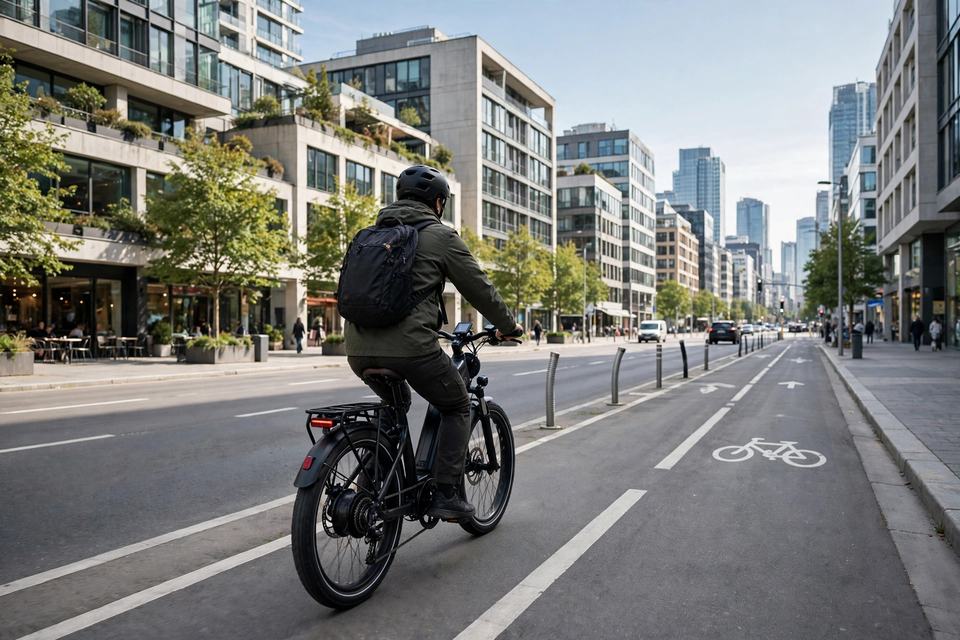
Image: Illustrative image.