
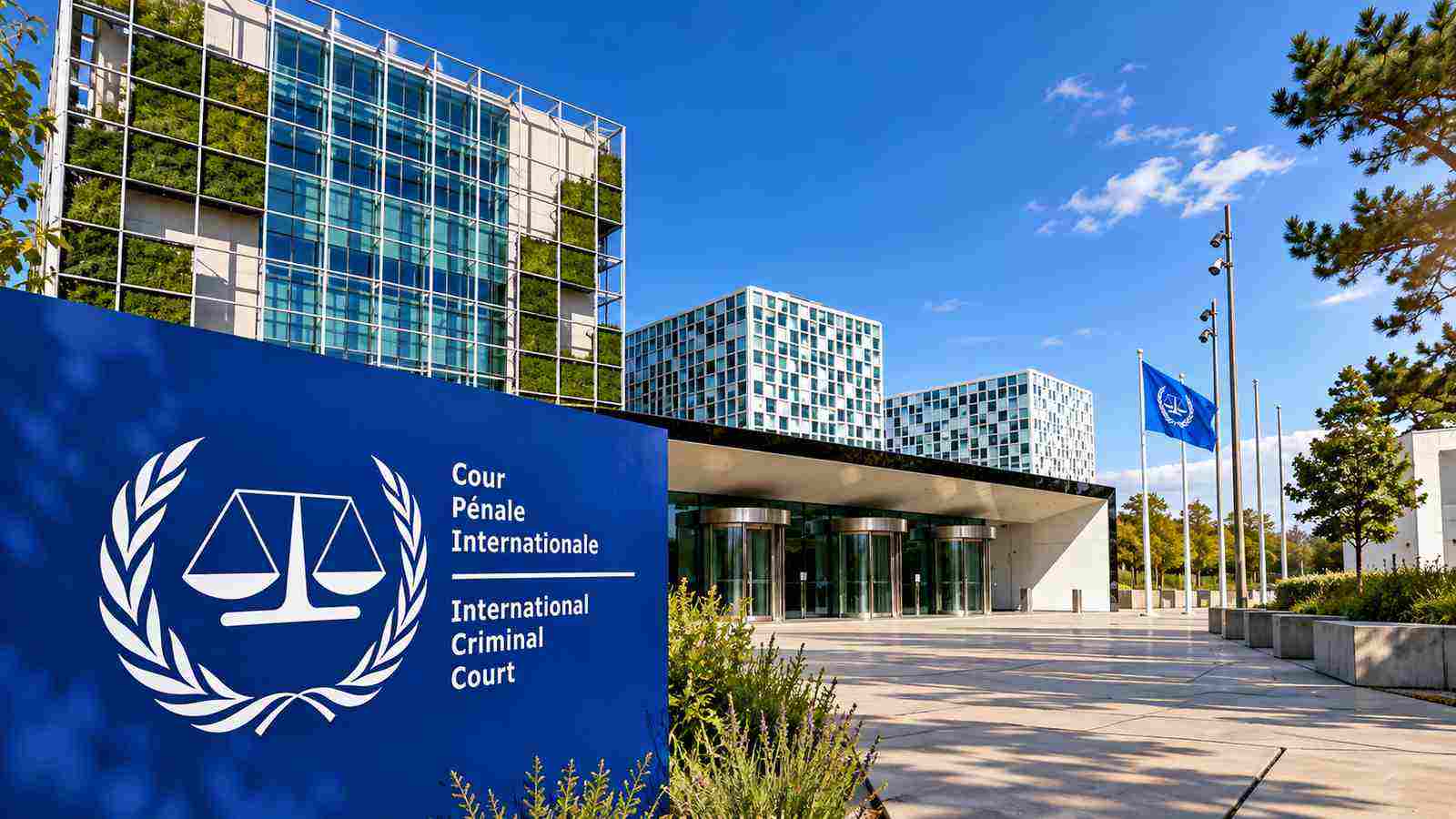
U.S. Maintains Sanctions Program Against ICC Officials
OFAC's International Criminal Court-Related Sanctions program provides the official framework for U.S. measures involving the court.
The program includes relevant regulations, executive orders, general licenses and sanctions-related designations.
Under the existing measures, certain individuals connected to the ICC have been designated by the United States.
The Treasury Department's records provide the official status of these sanctions and related authorizations.
August 2026 Actions Added to Existing Pressure
On August 18, 2026, OFAC announced additional ICC-related sanctions involving ICC President Tomoko Akane and senior ICC lawyer Abdoulaye Seye.
The Treasury Department also issued General License 12 concerning transactions involving sanctioned persons.
These actions represent the latest listed additions to the U.S. ICC-related sanctions program in the official Treasury record.
Why the ICC Is Facing U.S. Pressure
The dispute between Washington and the International Criminal Court has developed around the court's investigations and actions involving U.S. and Israeli officials.
The United States has previously objected to the ICC's jurisdiction over U.S. nationals and has also opposed the court's actions involving Israeli officials.
The ICC, meanwhile, operates under the Rome Statute and has its own legal framework governing investigations and proceedings.
The United States is not a party to the Rome Statute.
What Is the International Criminal Court?
The International Criminal Court is based in The Hague, Netherlands.
It was established under the Rome Statute to investigate and, where appropriate, prosecute individuals accused of genocide, crimes against humanity, war crimes and the crime of aggression.
The court focuses on individuals rather than states.
Its work is based on the principle of complementarity, meaning national legal systems have the primary responsibility to investigate and prosecute crimes falling within the court's jurisdiction.
Reports of Further Sanctions
Recent reports have said that the Trump administration is preparing additional sanctions against the International Criminal Court.
However, the official U.S. Treasury sources currently confirm the existing ICC-related sanctions framework and the August 18 designations.
There is no new official U.S. government announcement in the cited Treasury sources confirming a separate September 21, 2026 sanctions package against the ICC as a whole.
That distinction is important when assessing the latest reports.
ICC Has Responded to U.S. Sanctions
The International Criminal Court has publicly responded to U.S. sanctions against its officials.
The court has rejected the measures and maintained that sanctions against its officials do not alter its legal mandate.
The ICC's official statements provide the court's position on the sanctions and their potential effect on its work.
What Could Sanctions Mean for ICC Officials?
Sanctions can impose financial and legal restrictions on designated individuals and entities under U.S. law.
The precise consequences depend on the designation and the applicable OFAC rules and licenses.
OFAC's official sanctions program provides information about blocked persons, authorized transactions and other applicable requirements.
The measures therefore need to be assessed based on the specific designation rather than treating every ICC-related action as identical.
The Wider Dispute Over International Justice
The disagreement between the United States and the ICC reflects a broader debate over the court's jurisdiction and the role of international criminal justice.
Supporters of the ICC's mandate argue that international mechanisms can provide accountability when national systems are unable or unwilling to address certain alleged crimes.
The United States has challenged the court's jurisdiction in matters involving U.S. nationals and has taken measures against ICC officials.
These competing positions remain part of the wider debate surrounding the court's role.
What Happens Next?
The next development will depend on whether the U.S. government announces additional sanctions or other measures against the ICC or its officials.
For now, the official Treasury record confirms an active ICC-related sanctions program and the August 2026 designations.
Any newly announced measures would need to be assessed separately once an official U.S. government notice is published.
Bottom Line
The United States continues to maintain sanctions targeting officials connected to the International Criminal Court, with the latest listed designations announced by OFAC in August 2026.
Reports of additional measures against the court are circulating, but the cited official U.S. sources do not confirm a new September 21 sanctions package.
The existing sanctions program and future announcements will remain important developments in the continuing dispute between Washington and the ICC.