
Key Takeaways
- Canada says it will keep opposing Russian and Belarusian athletes competing under their national flags, symbols, colours or anthems while Russia's war in Ukraine continues.
- The immigration minister will use her powers under the Immigration and Refugee Protection Act to assess and bar Russian and Belarusian athletes and officials entering Canada to com
- Athletes from both countries competing as neutrals can still take part in events hosted in Canada, and federally funded events must keep the flag ban.
A Familiar Position — With a Sharper Edge
Canada is not changing its mind.
Three federal ministers confirmed on Tuesday, November 3 that Canada will keep opposing the participation of Russian and Belarusian athletes under their national flags in international sport.
The joint statement — from Foreign Affairs Minister Anita Anand, Immigration Minister Lena Metlege Diab and Secretary of State for Sport Adam van Koeverden — ties the position directly to Russia's actions: as long as Russia continues its war of aggression against Ukraine, with Belarus's complicity, neither country should be formally represented in international sport.
Since Russia's full-scale invasion in 2022, Canada has committed more than $26 billion in assistance to Ukraine and imposed sanctions on more than 4,200 individuals, entities and vessels.
What It Means in Practice
The statement goes further than words.
The immigration minister will exercise her authority under subsection 22.1(1) of the Immigration and Refugee Protection Act to individually assess — and prevent — Russian and Belarusian athletes and officials from entering Canada to compete under their national symbols.
Events receiving Government of Canada funding must also continue to prohibit Russian and Belarusian athletes from competing under their national symbols.
Individual athletes competing in a neutral capacity, however, will still be able to participate in international events hosted by Canada. The ministers stressed the measure is not directed at the Russian and Belarusian people, but at preventing the two governments from using sport hosted in Canada for state representation, political legitimacy and propaganda.
The Twikup Take
The position itself is not new — Canada has held this line since 2022.
What stands out is the machinery: Ottawa is now spelling out that immigration law will be used at the border, case by case, to back the policy up, while the door stays open to athletes competing as neutrals.
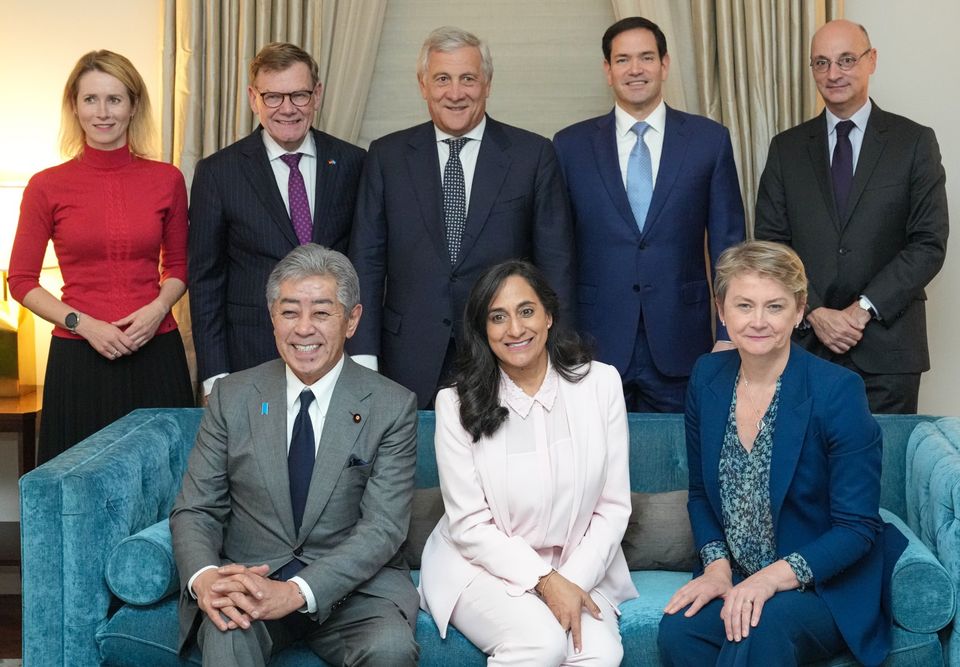
Image: 2025 G7 Foreign Ministers working dinner in New York City, New York on 22 September — Secretary Marco Rubio participates in a G7 Foreign Ministers working dinner in New York City, New York, September 22, 2025; Canadian Foreign Minister Anita Anand is seated in the front row — by Freddie Everett, U.S. Department of State, Public domain.