
Key Takeaways
- France's Interior Ministry announced enhanced security arrangements for demonstrations scheduled for October 24.
- Authorities instructed local officials to assess protest routes, organisers and potential risks to businesses and public safety.
- Official post-event confirmation of crowd estimates and reported clashes was not available in the sources verified for this article.
France Steps Up Security Ahead of Protests
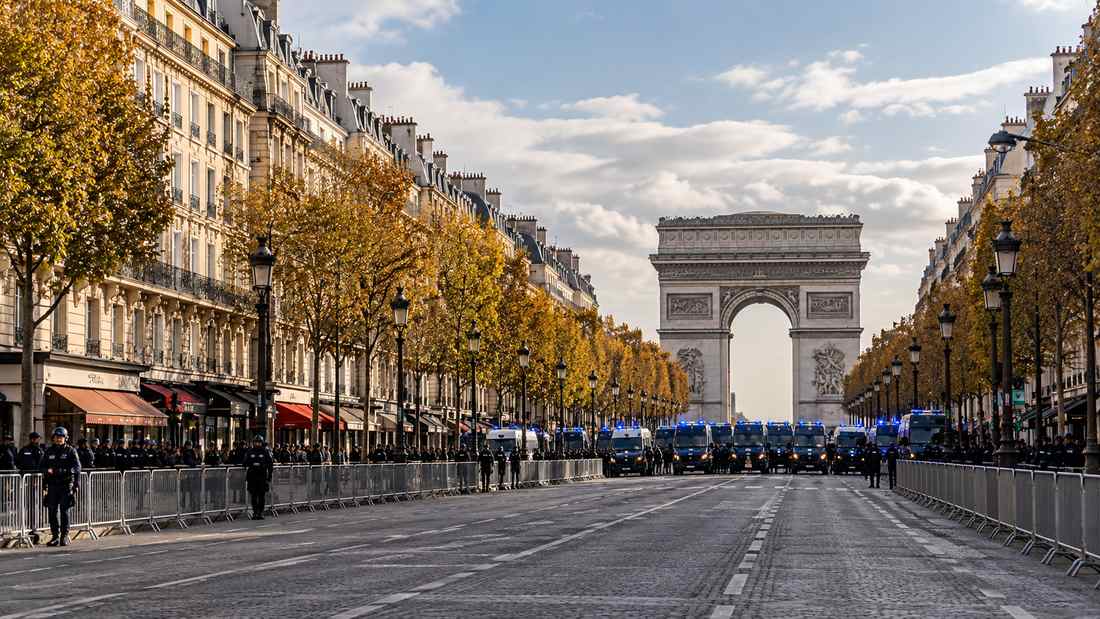
France entered October 24 with heightened security preparations as demonstrations were expected across the country. Authorities were seeking to prevent a repeat of violence and property damage reported during rallies on October 17, while balancing public safety with the right to peaceful protest.
In a statement published on October 23, the French Ministry of the Interior outlined measures designed to help local authorities assess risks and respond quickly if violence occurred.
What Authorities Announced
The ministry instructed prefects, the government's representatives in local areas, to carefully examine demonstration notifications, organisers and proposed routes. Officials were told to consider whether businesses along protest routes could face a risk of damage or looting.
Authorities could prohibit demonstrations in specific areas if there were credible risks of further destruction. Officials were also instructed to coordinate with mayors when assessing routes and working with organisers.
Security preparations included checks at railway stations and major transport routes to identify potentially dangerous equipment and people who might be prohibited from participating. The ministry also announced the deployment of specialist units, including personnel from RAID, the BRI and the GIGN.
It said interventions would be systematic when people or property were attacked, with judicial arrangements intended to support evidence collection and the processing of suspects.
Public Safety and the Right to Protest
France's National Police emphasised in guidance published on October 20 that demonstrating is a fundamental freedom protected by law. Police responsibilities include protecting people and stopping violence.
That distinction matters: security measures are intended to address threats and disorder, not to erase the right to peaceful assembly. The ministry also stressed that the use of intermediate force must remain proportionate and comply with applicable legal requirements.
TwikUp's Perspective
The challenge for French authorities is to prevent violence without treating every demonstrator as a threat. Decisions about protest routes, restrictions and policing can affect public confidence as much as immediate security outcomes.
Official post-event figures and incident reports are needed to assess what happened on October 24. Until those details are confirmed through government sources, crowd estimates and reports of clashes should be treated cautiously rather than presented as settled facts.