
Key Takeaways
- Prairie wheat prices rose for a fourth straight month in September and were up 15% to 20% from a year earlier.
- Slaughter cattle and hog prices fell in every province in September.
- Canola prices dipped with the new harvest but stayed above last year's levels.
Canadian farmers had a split September: Grain prices climbed while cattle and hog prices plunged
One side of Canadian farm country was getting better prices. The other was taking a hit.
In September, wheat growers across the Prairies continued collecting higher prices, while cattle and hog producers watched prices fall in every province, Statistics Canada reported Tuesday. It was a sharp divide between crops heading in one direction and livestock moving in the opposite one.
Wheat kept climbing. Canola had a different month.
Wheat (excluding durum) recorded its fourth consecutive monthly increase across the Prairie provinces. The rise slowed as the domestic harvest arrived and stocks increased, but the year-over-year gains remained substantial.
Compared with September 2025, wheat prices were up 19.5% in Saskatchewan and 15.4% in Manitoba, with Alberta in between.
Canola told a different story. Prices declined across the western provinces during September as the new harvest brought more supply to market. But zoom out to the year-over-year picture, and Prairie canola prices were still higher, supported by stronger demand for biofuels.
Dry peas also gained across the Prairies, rising 2.2% in Alberta. Strong September exports and expectations of lower global production in the 2026/27 crop year helped support prices.
Cattle and hog producers faced a province-wide decline
For livestock producers, September brought little good news.
Slaughter cattle prices fell in every province, dropping as much as 13.8% in Quebec and 4.6% in Saskatchewan in a single month.
Statistics Canada identifies three pressures behind the decline: more slaughter cattle available, heavier carcass weights and increased imports of competitively priced Australian beef.
Feeder cattle prices also fell in nearly all provinces, with Alberta leading the declines. A weaker slaughter market and shrinking feedlot margins added pressure further down the production chain.
Hog producers faced the same direction of travel. Slaughter hog prices declined everywhere, falling 10.1% in New Brunswick and 6.4% in Manitoba as North America's hog market entered a seasonally softer period.
Could this eventually reach grocery store shelves?
Here's where the numbers become relevant to everyone outside the farming business.
Farm-gate prices aren't grocery-store prices. There are processors, transportation costs, retailers and other factors between what farmers receive and what shoppers pay.
But the direction matters.
Four consecutive months of rising wheat prices are worth watching for their potential impact on flour, bread and pasta costs. Meanwhile, a broad decline in cattle prices could eventually put downward pressure on beef prices at grocery stores.
There's an important catch: those changes aren't automatic. They depend on whether the trends persist and whether processors and retailers pass the savings or additional costs along.
The Twikup Take
September delivered two very different realities for Canadian farmers. Wheat kept climbing, canola struggled with fresh harvest supply, and cattle and hog producers faced falling prices across the country.
The same month that rewarded some grain growers squeezed livestock producers — and shoppers are watching what happens next.
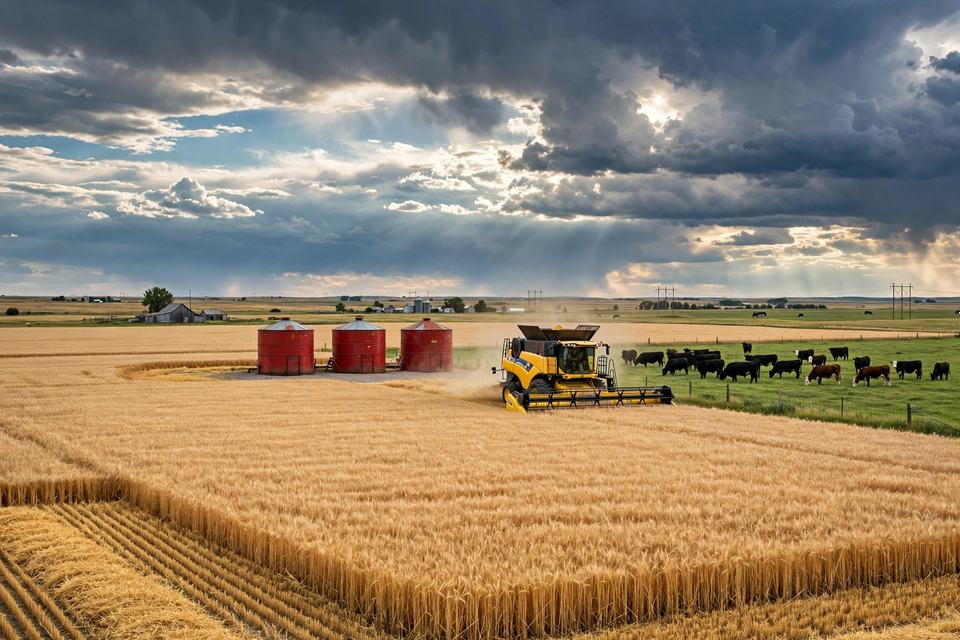
Image: Illustrative image.