
Key Takeaways
- Changes to Canada’s Citizenship Act took effect on December 15, 2025, revising rules for citizenship by descent.
- Some Americans with Canadian parents or more distant Canadian ancestry may qualify, depending on their circumstances and the law.
- Eligible people may need to apply for a citizenship certificate rather than pursue permanent residence and naturalization.
Canada Citizenship by Descent: New Rules for Americans With Canadian Ancestry
An American with Canadian family roots may already be Canadian under Canada’s revised citizenship law. However, eligibility depends on family history and the amended rules, not ancestry alone.
What Changed in Canada's Citizenship Rules?
Canada's amended Citizenship Act took effect on December 15, 2025, when the government passed Bill C-3. The changes address the first-generation limit, which had generally restricted citizenship by descent to the first generation born outside Canada.
Bill C-3 removed that limit in some situations. For people born or adopted outside Canada before December 15, 2025, citizenship may have been restored or granted. In most cases, a person born outside Canada before that date to a Canadian parent is automatically a Canadian citizen.
For people born outside Canada on or after December 15, 2025, second-generation or later citizenship by descent may apply if their parent was also born or adopted outside Canada to a Canadian citizen and spent at least 1,095 days in Canada before the child’s birth. A Canadian ancestor does not automatically make every descendant a citizen.
Citizenship by Descent or Immigration?
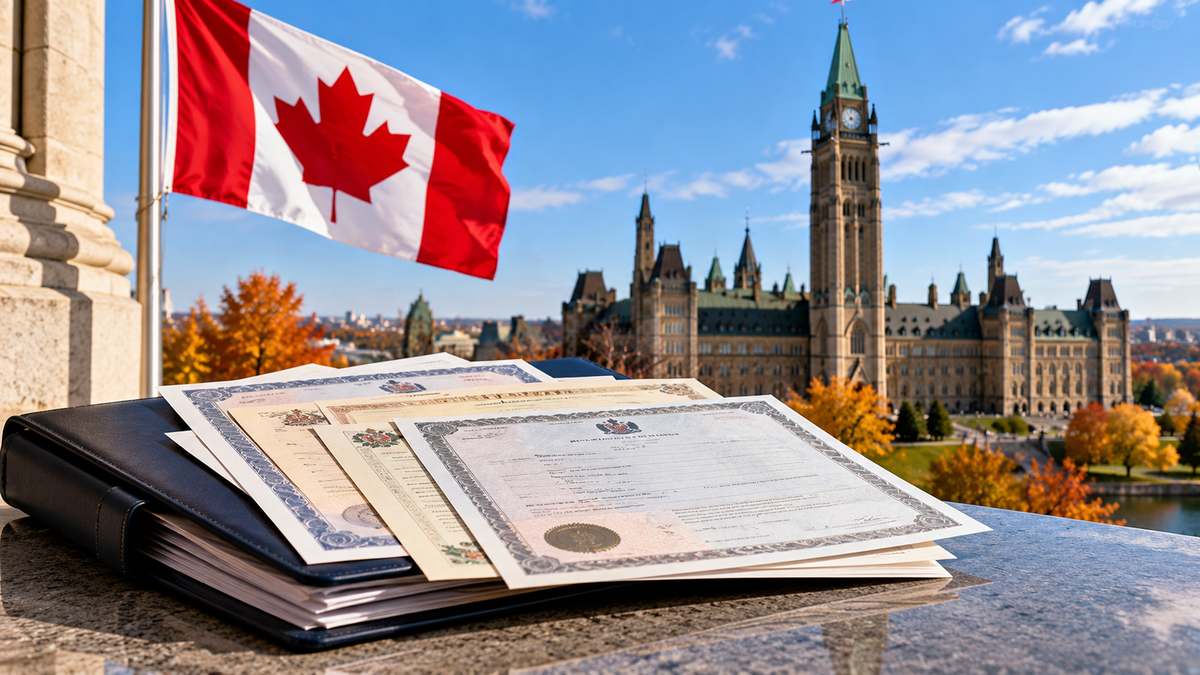
A person who may have become a citizen because of Bill C-3 should apply for a citizenship certificate to confirm their status. Immigration, Refugees and Citizenship Canada will review the application and, if the person is Canadian, issue the certificate as proof of citizenship.
The certificate can help a citizen apply for a Canadian passport and avoid delays at the border. People who are not affected by the change can still apply for Canadian citizenship if they are otherwise eligible.
TwikUp's Perspective
For Americans considering Canada, checking family records may help identify whether the revised rules apply. The key question is not simply whether a relative was Canadian, but whether the relevant parent-child relationship, birth date and, for some people born after the change, Canadian residence requirement are met.
Before travelling to Canada, people who think they may be Canadian citizens should apply for proof of citizenship and then obtain a Canadian passport if their status is confirmed.